




Honoring Gastroenterologists Advancing IBD Care | National Doctors’ Day Q&A
Published: March 27, 2026
In honor of National Doctor’s Day (March 30), we’re proud to spotlight members of our Professional Member Network—dedicated gastroenterologists whose expertise, compassion, and commitment are transforming care for people living with inflammatory bowel disease (IBD).
Q: What first drew you to gastroenterology—and specifically caring for people with IBD?
Alyssa Parian, MD, Medical Director, The Center for Inflammatory Bowel Diseases, Hackensack University Medical Center
“I was drawn to IBD because of the opportunity to build meaningful, long-term relationships with patients. Since IBD often begins at a young age, we’re able to partner with patients through many stages of life. What makes this field especially rewarding is the ability to truly change lives—modern therapies can control inflammation, achieve deep remission, and restore quality of life. At the same time, it’s one of the fastest-evolving areas in medicine, with a real possibility of finding a cure within our lifetime.”
Q: Can you share a moment with a patient that has stayed with you throughout your career?
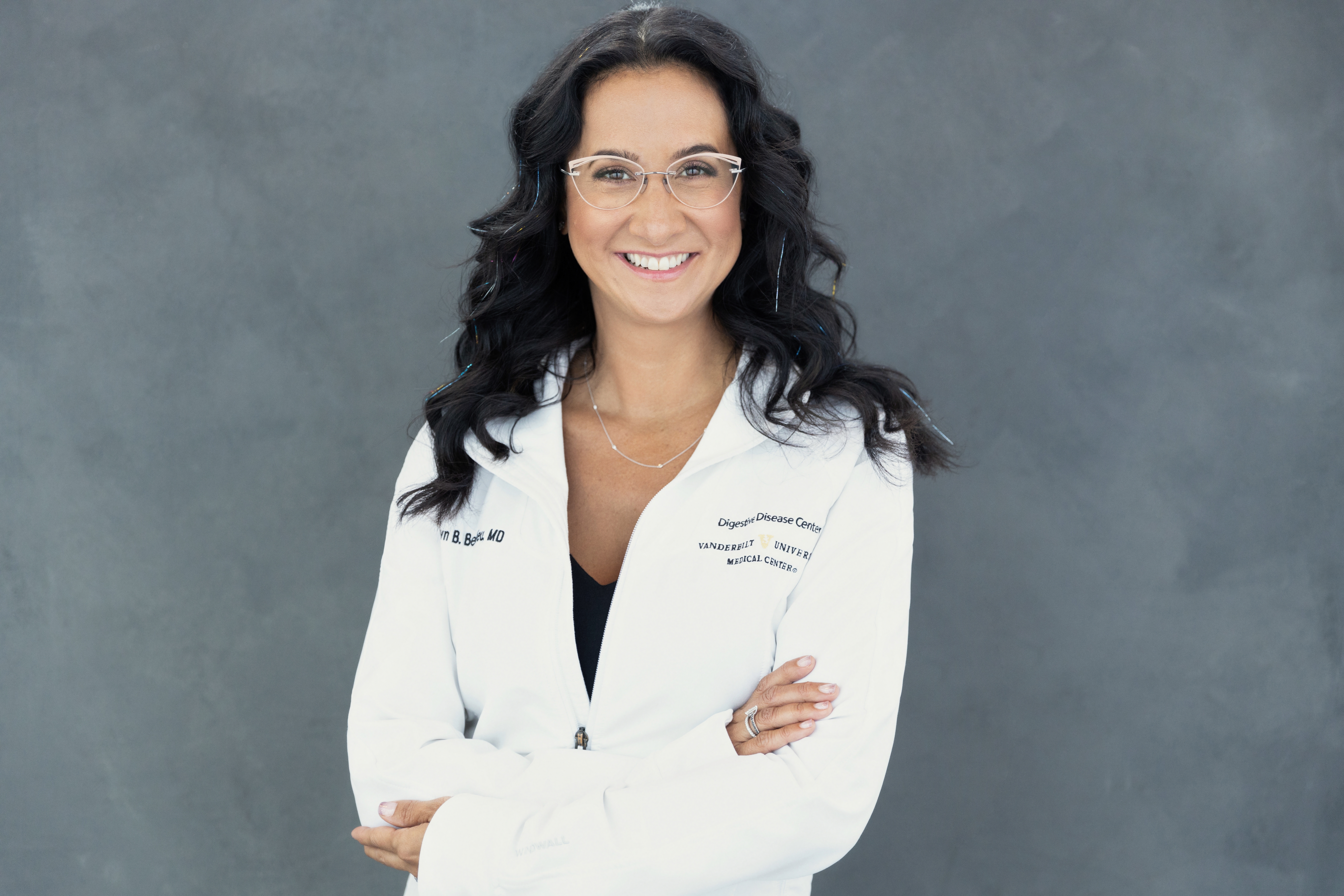
Dawn Borromeo Beaulieu, MD, FACG, AGAF, IFM-CP, FCCF, Professor of Medicine, Vanderbilt University Medical Center
“A young woman with severe Crohn’s disease once told me during a difficult time, ‘I just want someone to see me and not just my disease.’ That moment has guided my entire approach to care. It reminded me that while we focus on treatments and disease management, our patients are whole people. Since then, I’ve been committed to treating each patient as an individual—not just a diagnosis.”
Q: How has treatment for IBD changed since you began practicing?
Rohit Singhania, MD, Gastroenterologist, Section Chief Gastroenterology, Manchester Memorial Hospital (Hartford HealthCare)
“In a complex field like IBD, deep knowledge, clinical judgment, courage, and empathy are still essential. What has changed dramatically is the therapeutic landscape. Our treatment options have expanded tremendously—many are safer, easier for patients to take, and capable of working much more quickly than in the past.”

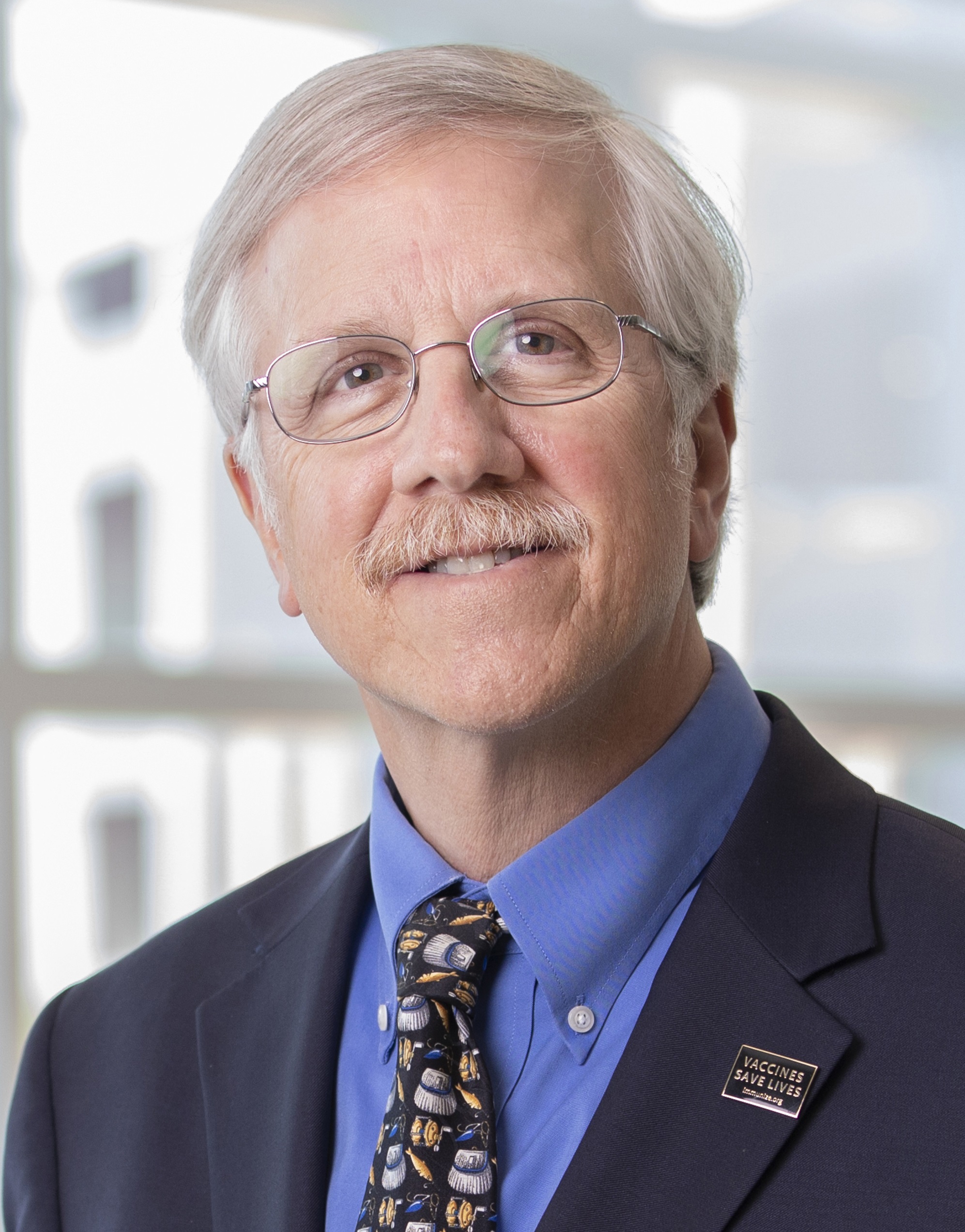
Francis A. Farraye, MD, MSc, Professor of Medicine, Director of the IBD Center, Mayo Clinic Florida
“When I began practicing in 1988, treatment options were very limited—primarily steroids and a few immunosuppressive medications. Today, we have more than 10 advanced therapies and significant surgical innovations, many of which are minimally invasive. These advances have reduced the need for surgery and dramatically improved quality of life for our patients.”
Q: What does being part of the Foundation’s professional member network mean to you?
Dawn Borromeo Beaulieu, MD
“Being part of the Foundation means being part of a community united by a shared purpose: improving the lives of people living with IBD. It brings together clinicians, researchers, and advocates to advance science and support patients. It reflects the values I hold deeply—collaboration, patient advocacy, and a commitment to finding a cure.”
Q: How does being part of this community enhance your practice?
Francis A. Farraye, MD, MSc
“The Foundation is a premier source of education and support for both patients and providers. Being part of this community connects me to the latest advances in IBD care and to patients who are highly engaged in their treatment. Many actively seek out providers affiliated with the Foundation, which speaks to the trust and value it brings.”
Q: What gives you hope about the future of IBD research and care?
Alyssa Parian, MD
“What gives me the most hope is the incredible pace of innovation. We now have therapies targeting multiple mechanisms of inflammation, along with advances in biomarkers, genetics, and the microbiome. We’re moving closer to truly personalized care—where we can predict which treatments will work best for each patient. Combined with earlier diagnosis and strong collaboration across the field, we’re getting closer not just to better treatments, but to prevention and a cure.”
Professional Membership connects clinicians to education, resources, and a professional community committed to better treatments—and better outcomes—for people living with IBD.