




Prevention First: The Missing Pillar in America’s Fight Against Chronic Disease
Published: June 17, 2025
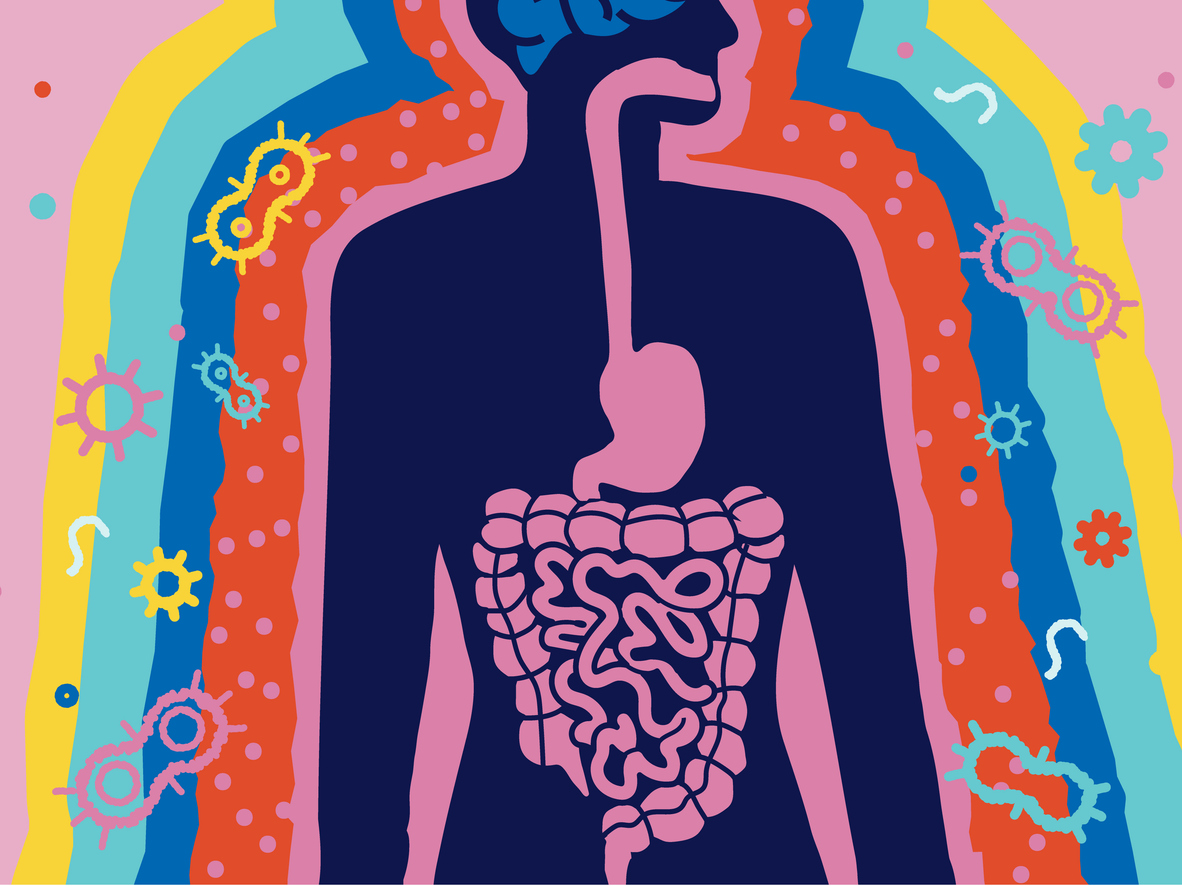
Secretary of Health Robert F. Kennedy Jr.’s recent Senate testimony has reignited a crucial debate: How can the U.S. better address the rising tide of chronic, non-infectious diseases? With nearly six in ten Americans now living with at least one chronic condition—including heart disease, diabetes, cancer, and autoimmune disorders like inflammatory bowel disease (IBD)—the stakes could not be higher. Chronic diseases account for 90% of federal health care spending, straining families and the nation alike.
Most chronic diseases share a handful of preventable risk factors including poor nutrition, physical inactivity, and tobacco use. Public health experts agree that tackling these risks, along with improving access to preventive care and early screening, can dramatically reduce disease burden, reduce hospitalizations, improve quality of life, and save billions in health care costs. Yet, prevention remains chronically underfunded and underprioritized compared to treating symptoms after disease has taken hold.
Take IBD—which includes Crohn’s disease and ulcerative colitis—as a potential model. Affecting 1 in 100 Americans and increasingly diagnosed in children, IBD presents a unique opportunity to transform public health by addressing a chronic autoimmune condition influenced by diet and environment. The direct health care costs are staggering: annual expenses per patient exceed $23,000, with lifetime costs reaching over six hundred thousand dollars. Beyond the financial toll, IBD patients often endure debilitating symptoms and face increased risks for complications.
Despite these burdens, IBD prevention lags. Patients frequently miss out on basic preventive services, due to fragmented care and a focus on managing flare-ups rather than long-term health. This gap is not unique to IBD; it reflects a broader failure to integrate prevention into chronic disease management across the board.
Yet IBD offers a unique opportunity. Research has identified a preclinical window—4 to 7 years before symptoms appear—when changes in the gut microbiome, intestinal barrier, and blood antibodies can be detected. Early identification could enable interventions to prevent or delay disease onset. This prevention-focused research also benefits those already diagnosed by improving outcomes through therapies that target root causes, not just symptoms. Notably, patients and families are eager for preventive solutions: a recent Crohn’s & Colitis Foundation survey found that 93% of respondents would take a test predicting their or their family’s risk of developing IBD.
The success of this approach in type 1 diabetes—where sustained federal investment led to biomarker discovery and FDA-approved therapies—suggests a similar model could work for other autoimmune diseases. Internationally, countries including the European Union and Israel are investing in large-scale prevention trials, screening high-risk individuals, and testing lifestyle interventions to delay or prevent diseases like IBD and diabetes. These international efforts highlight the urgency for U.S. action, as the nation risks falling behind others in pioneering prevention. It also demonstrates that with consistent funding, prevention can move from rhetoric to reality.
If the U.S. is to reverse the chronic disease epidemic, policymakers must elevate prevention as a national priority. This means:
- Restoring and expanding federal funding for prevention-focused research and clinical trials.
- Integrating preventive services into routine care for all chronic diseases.
- Supporting public-private partnerships to accelerate innovation, such as AI-driven biomarker discovery and personalized risk assessments.
- Ensuring that patients and families have access to the information and tools needed to make healthy choices.
Congress and the Department of Health and Human Services must act now to make prevention—not just treatment—the cornerstone of America’s chronic disease strategy.