


Take Steps: The Power of Community
Published: September 10, 2024
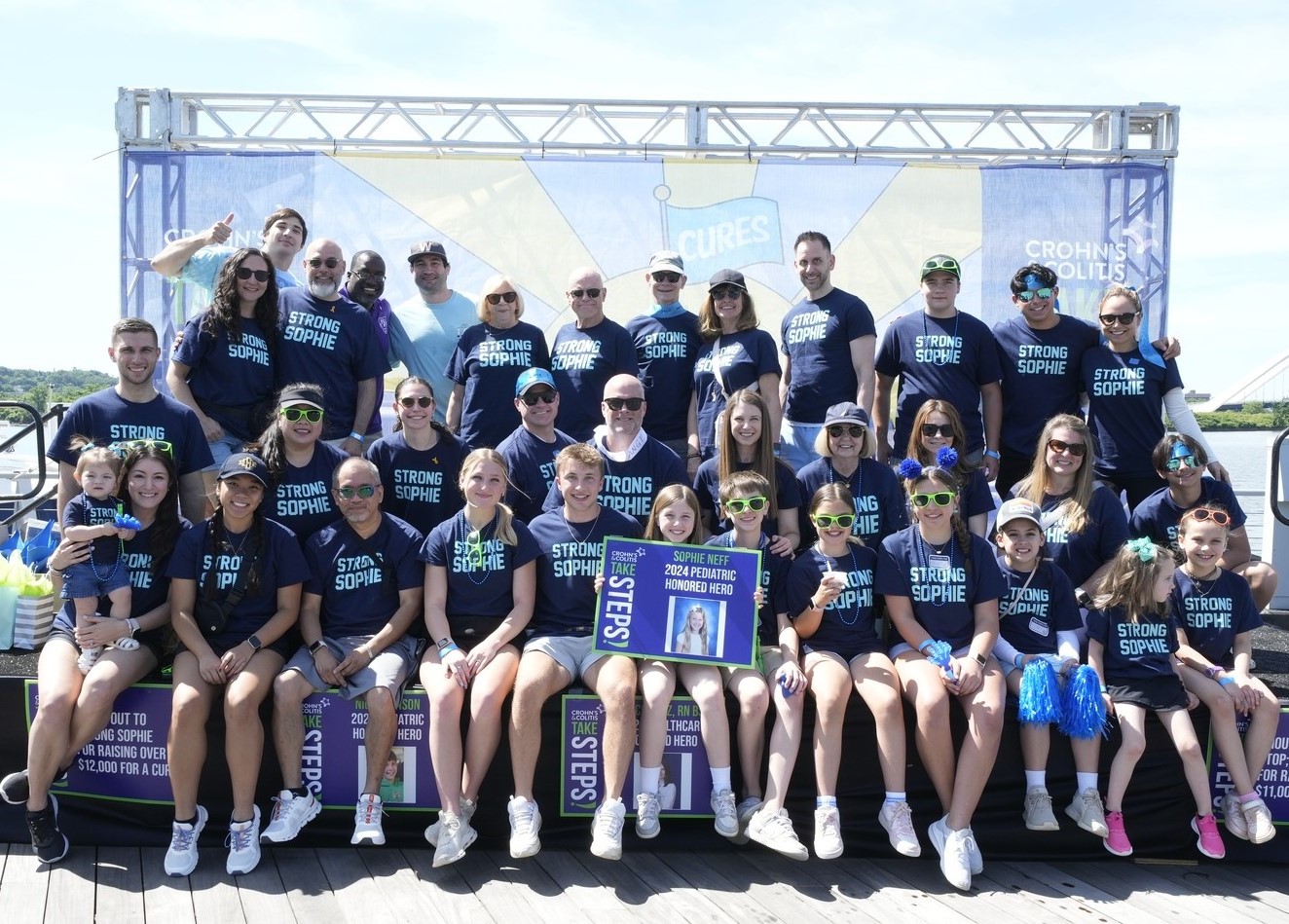
What’s it like to have 500 people who have or care for someone with inflammatory bowel disease (IBD) together in one place for one cause?
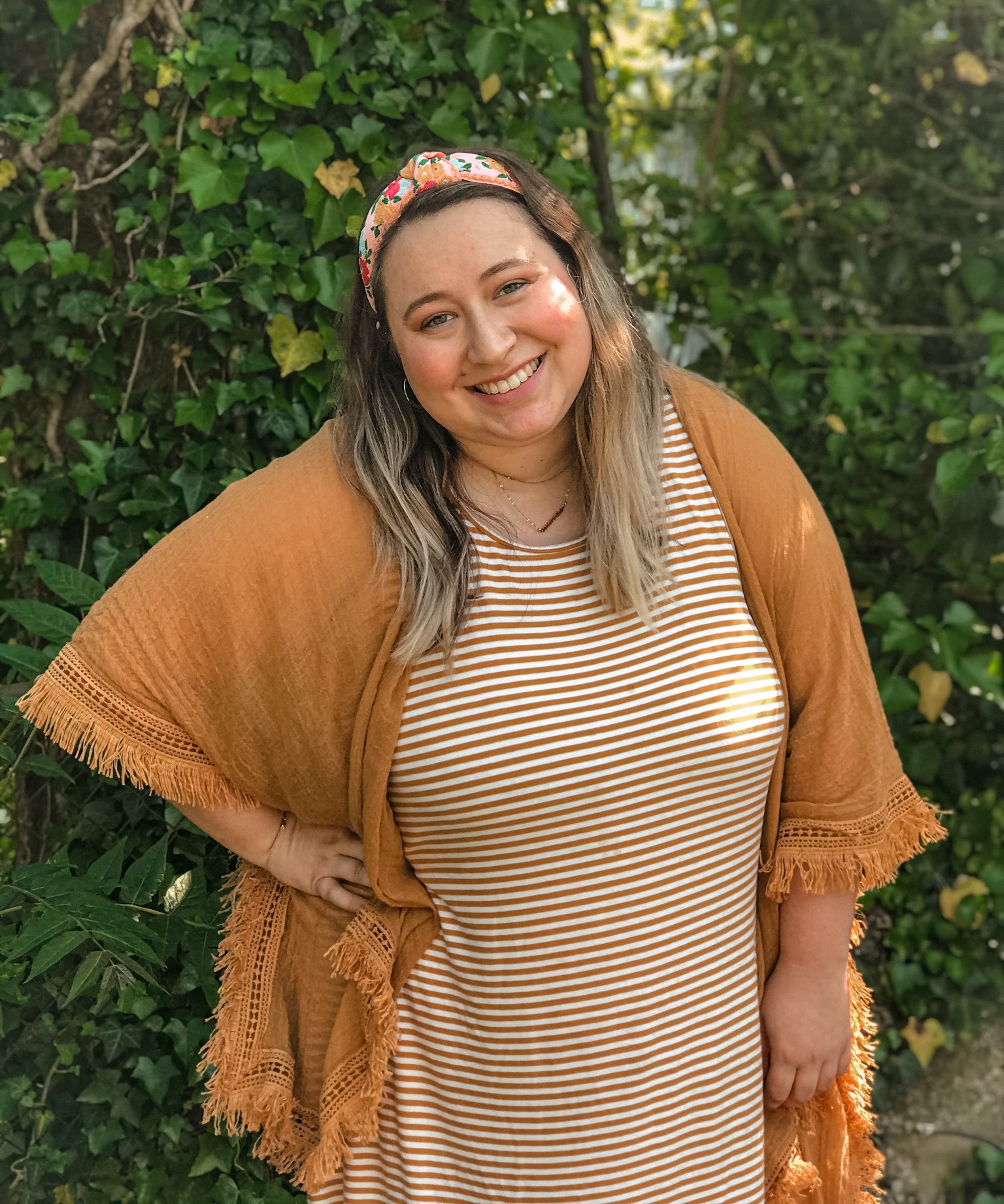
Marissa Spratley will tell you because she’s been there.
“It’s powerful.”
For the past three years, Marissa has been managing the Foundation’s Take Steps walk in the Washington, DC/Maryland area and has watched the community that gathers grow larger, stronger, and more connected each year.
“Seeing people who have never met another patient on their IBD journey be surrounded by other patients, doctors, and people who get it is very powerful. They don’t have to explain anything—even if on that day they don’t feel physically up to walking. They can just be present and understood.”
Marissa understands because she is also a patient.
She was diagnosed with Crohn’s disease right after starting her first job post-college. Her symptoms included bleeding and bathroom urgency, but as anyone who has IBD knows, it’s not just a physical disease. It takes a mental and emotional toll as well—the uncertainty of not knowing when a symptom will return or if a particular food will trigger a reaction, the anxiety of going to the doctor, and the feeling of being alone.
“It was a very challenging time and very isolating to feel, at the age of 23, that I had my whole life ahead of me but couldn’t do anything I wanted to do—even go to dinner with friends. I was very lonely and didn’t have anyone in my life who understood what I was going through. I really longed for connection.
“It’s been an uphill battle managing my IBD and the extraintestinal manifestations that accompany it, including mouth ulcers, psoriasis, and joint pain. I’ve learned a lot about how to manage my disease and my body’s needs, and I know a lot more now to help me get ahead of things.
Marissa was working at an environmental nonprofit organization when she applied for the position she holds now. “It was right around the time I had decided to shift my priorities and work for a cause that was more personal to me, so the timing was perfect.
“It’s important to me that other patients out there don’t feel alone and isolated. When I’m introducing myself, I love to say, ‘I’m Marissa and I was diagnosed with Crohn’s disease in 2016.’”
What is walk day like?
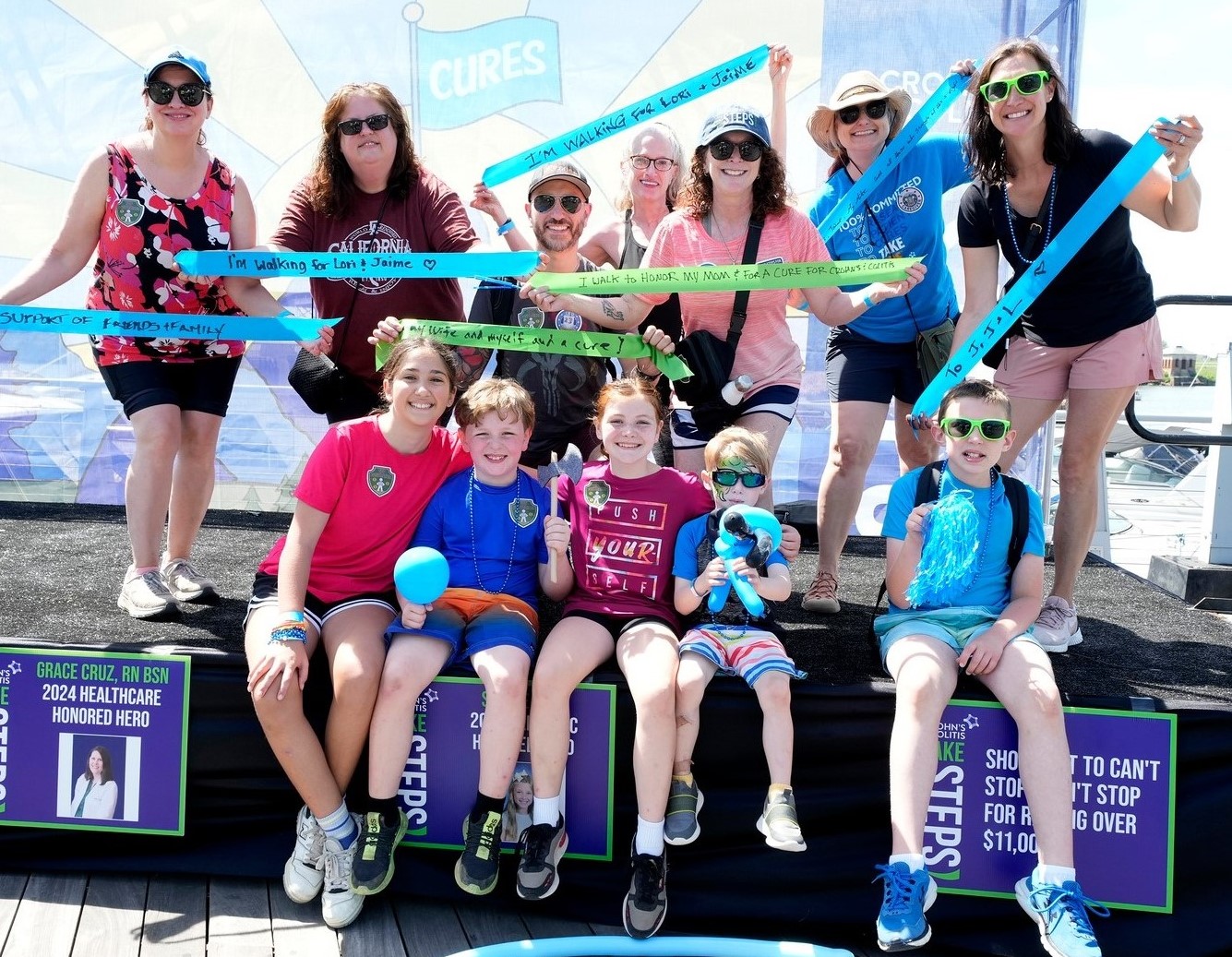 “Walk day and the week leading up to it can be extremely hard on my body. I do what I need to do workwise while prioritizing my physical health, knowing that, for me, high stress and little sleep can lead to a flare. I rely on my teammates—my village—to help me with the physical activity required to set up on walk day.”
That said, Marissa also describes it as energizing.
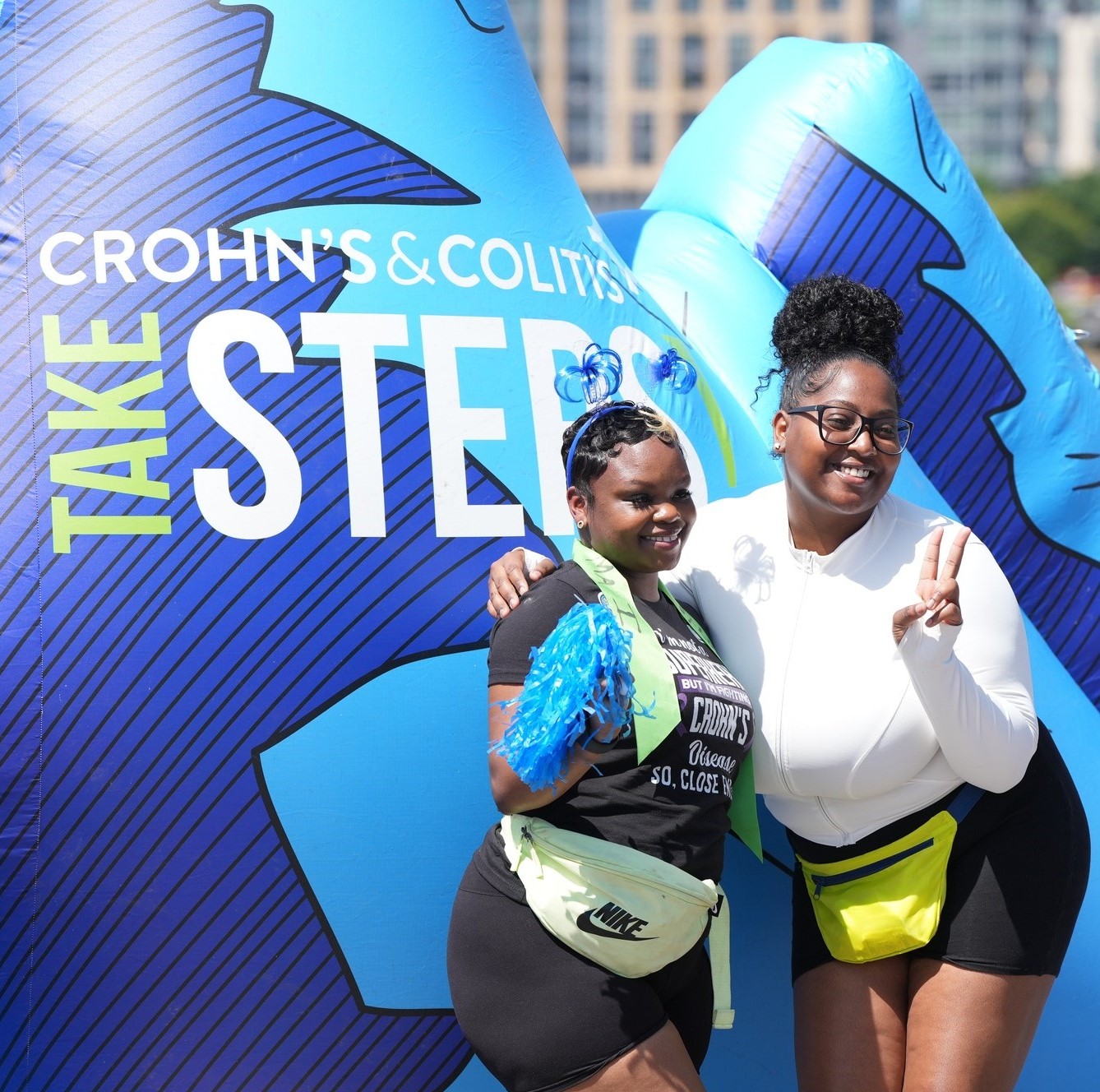 “That’s the power of Take Steps—having a huge community of support in one place. Patients and caregivers can be truly seen and acknowledged, and they know they don’t have to be afraid of sharing their stories. It’s an empowering place to be.
“People will come up to me and thank me for my work. But I tell them it’s not me. I might facilitate this walk on the back end, but they did the real work. It’s their unstoppable energy to come together to find community and support our mission that makes it all happen.”
What happens after the Take Steps walk?
“I rest!
“It’s an incredibly physical and emotional experience. At the end of the day, I go home, order in, and just think about how grateful I am to have experienced it.
“BUT, to have a successful walk, we need to be thinking about it year-round. So, while I’m basking in an amazing day, I’m already thinking about what I learned this time around, what can be new or better next year, and what next year’s walk will look like.
“While I’m planning our next walk, I’m also here to support patients and caregivers—give them resources, guidance, and a safe space to know that they are not alone and that it does get better. Even if it takes a while, you will see a light at the end of the tunnel.”
Thank you to our National Take Steps Partner