


The New Science Transforming Life With IBD: What I Learned At Crohn’s & Colitis Congress
Published: February 22, 2026
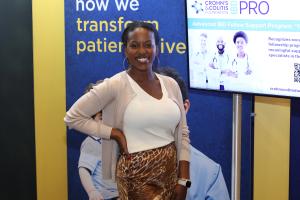
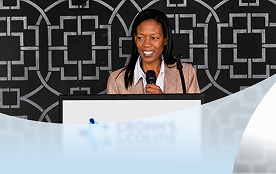
Attending the Crohn’s & Colitis Congress in Las Vegas as a patient reporter was one of the most transformative experiences of my advocacy journey. As someone living with ulcerative colitis and a permanent ostomy, being in a space dedicated to advancing research, improving patient care, and elevating patient voices felt deeply personal and incredibly powerful. My journey with ulcerative colitis did not begin with quick answers or immediate treatment. Like many Black patients navigating the healthcare system, I faced delays in diagnosis shaped by systemic inequities and implicit bias, and by the time I received an accurate diagnosis, my disease had progressed to the point that I needed a permanent ostomy.
While my ostomy saved my life, it also reshaped it, pushing me to confront stigma, rebuild my confidence, and redefine what living fully means. Today, I use my platform to advocate for all people living with inflammatory bowel disease (IBD), but I intentionally center and uplift Black women, who are often underrepresented in research, advocacy spaces, and public conversations about chronic illness. Representation matters. Visibility matters. Opportunities like participating in the Crohn’s & Colitis Congress help close those gaps.
My time at Congress was nothing short of incredible. I had the opportunity to connect directly with physicians, researchers, physician assistants, nurses, and fellow advocates who are dedicating their lives to improving outcomes for people living with IBD, and to ask them how the latest data might impact real-world care. Those conversations helped me translate complex findings into clear, practical takeaways I could bring back to patients and caregivers, so our community understands not just that research is happening, but what it actually means for their day-to-day lives
Seeing IBD In Real Time
One highlight was covering sessions on intestinal ultrasound — a radiation‑free, no‑prep, no‑sedation test that lets with IBD see their bowel in real time during a regular visit, which could mean fewer colonoscopies and CT scans for many patients. Hearing clinicians describe how they use intestinal ultrasound to track inflammation, adjust treatment sooner, and give patients instant feedback during an office visit made the science feel incredibly tangible and hopeful.
When Women Lead, Patients Win
One of the sessions that stood out most to me focused on how empowering women clinicians to thrive and lead in IBD care ultimately improves outcomes for patients. The room was filled with women physicians and professionals who are not only experts in their fields, but are also reshaping what compassionate, patient-centered IBD care looks like. Listening to them talk about mentorship, leadership, and breaking barriers was both emotional and deeply motivating. The core message was clear: when women are supported to rise to the top of the profession, patients benefit from more inclusive, attentive, and equitable care.
New Clues in IBD Complications: Creeping Fat and Fistulas
I attended sessions where I deepened my understanding of Crohn’s disease, especially how creeping fat and fistulas contribute to complications over time. Learning about creeping fat—the thickened fat that wraps around the intestine—helped me see that it may be more than a bystander and could be linked to how quickly some people develop strictures and need surgery. I also heard about emerging tools to measure creeping fat and fibrosis more precisely, which could one day help clinicians identify who is at higher risk earlier.
In a fistula‑focused session, experts reviewed new studies on combination therapies and surgical approaches aimed at closing fistulas faster and reducing recurrence, which felt like real hope for patients living with these complex complications. Fistulas are a common complication of Crohn’s disease, affecting about 30% of people with Crohn’s at some point in their lives, so progress in this area has the potential to change a lot of patients’ day‑to‑day reality.
Turning Congress Science Into Patient Impact
What made this experience even more meaningful was my ability to share what I learned in real time with my audience of more than 600,000 followers, turning every research update and patient‑care innovation into clear information that can reduce stigma, encourage earlier diagnosis, and help patients feel less alone. The partnership between the Crohn’s & Colitis Foundation and advocates like me is essential, because by collaborating with creators who have built trust in their communities, the Foundation ensures that the latest information about the latest innovations reaches people who might not be connected to traditional medical channels.

This opportunity was transformative—not just because I gained new knowledge and professional connections, but because it reinforced my purpose. Advocacy is not only about telling my story; it’s about using it to open doors, start conversations, and help change outcomes for future patients, and I left Congress more informed, more connected, and more determined than ever to keep doing this work
Victoria Tyler is a social media ambassador for the Crohn's & Colitis Foundation and a digital creator and ostomy advocate who uses her platforms to make sure people living with ulcerative colitis—especially in the Black community—feel seen rather than invisible.