



We’re Going There: My Crohn’s & Colitis Congress® Recap: Social Disparities in Pediatric Treatment, AI, and Considering New Medications
Published: February 27, 2025
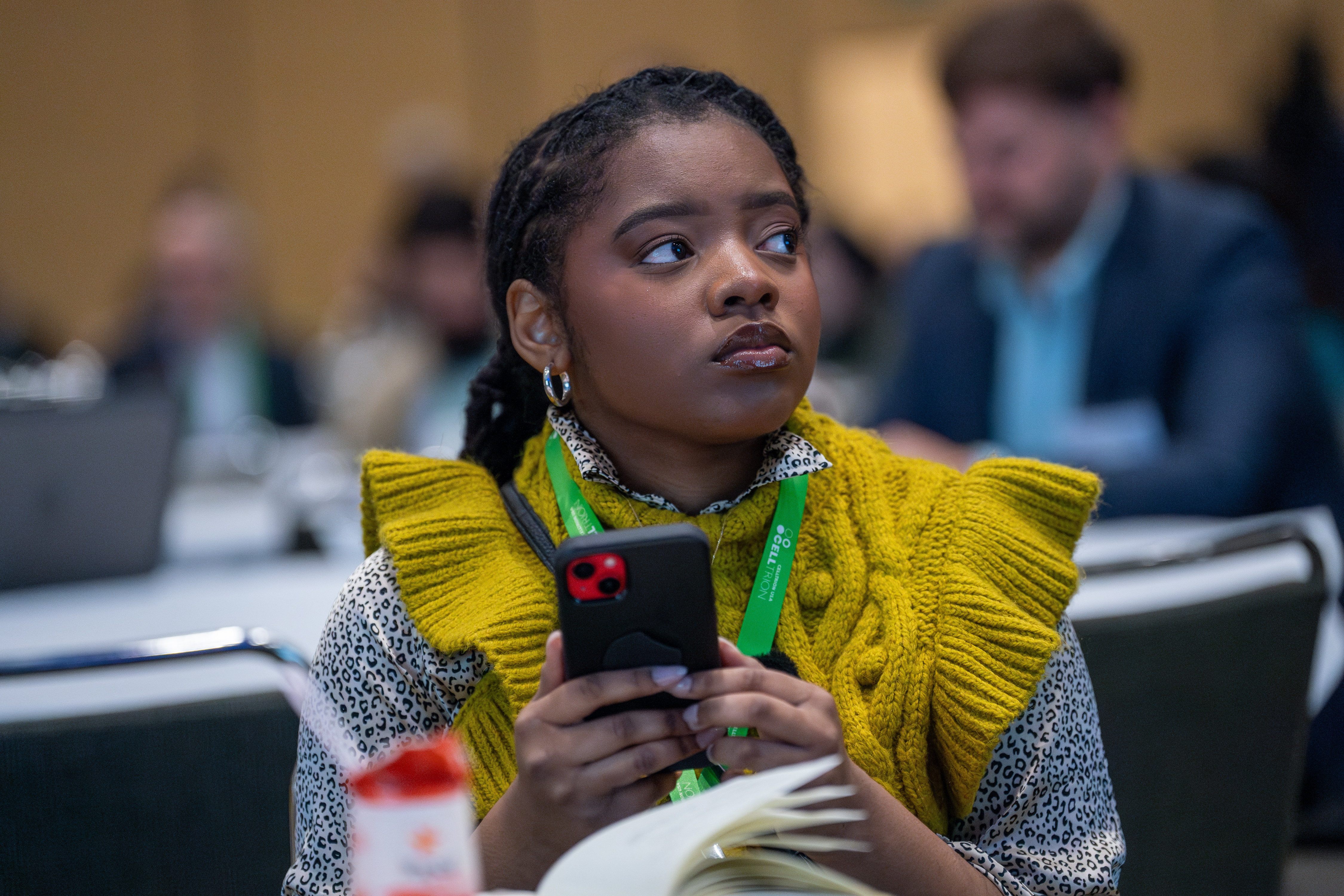
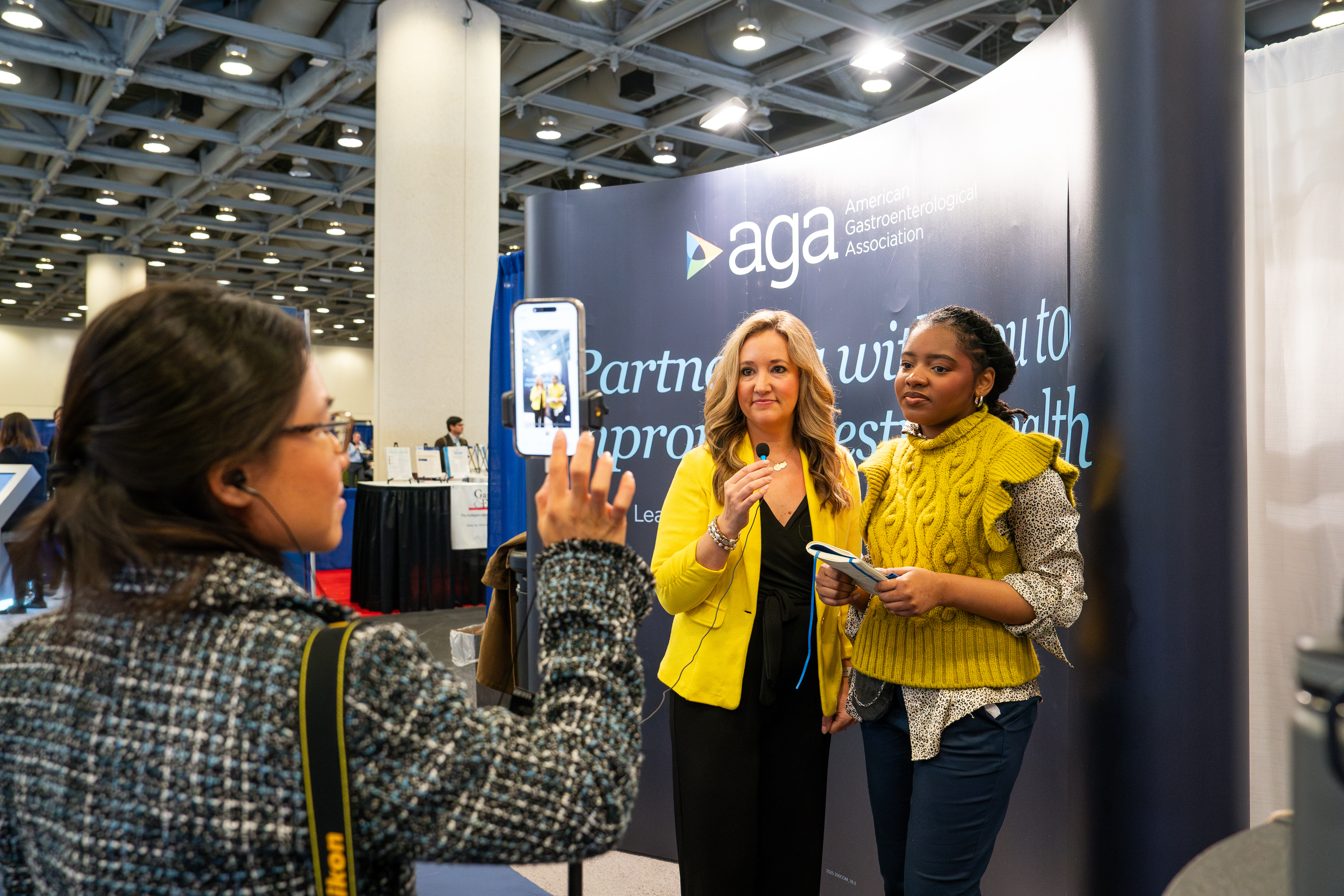
The weather in San Francisco was gloomy, but I was buzzing with nervous, yet excited energy as I entered the Moscone Center, prepared to be one of this year’s IBD Patient Reporters.
Reflecting on my time at the 2025 Crohn’s & Colitis Congress, I keep circling back to health literacy and the privilege I have to be in a position where I can understand health language that impacts IBD, digest it, and communicate it to the people who need this information the most.
Social Disparities in Pediatric Treatment
I was diagnosed with Crohn’s disease when I was 17 as a pediatric patient, and I will always have a special spot in my heart for pediatric IBD teams. This session explored the important differences within the pediatric patient community and how these differences affect care.
Each patient is unique, coming from diverse backgrounds and experiencing a variety of social determinants of health that can include income, education, gender, race, disability and more.
The right treatment for IBD includes a combination of medications, timing, dosage routines, monitoring, and consideration of societal-level variables.
Racial and ethnic disparities in the American healthcare experience affect patients resulting in delayed diagnoses, reduced access to regular care, more aggressive disease patterns, and higher hospitalization rates. Healthcare providers who are from diverse backgrounds can also be affected by these gaps.
Overall, disparities lead to a legacy of distrust. A doctor’s main goal is to earn a patient’s trust.
Quick Notes on IBD and AI
Currently, AI Scribe systems are trained to analyze electronic health records (EHR) from IBD patients, including colonoscopy reports; outpatient progress notes regarding IBD symptoms like abdominal pain, diarrhea, and bloody stools; as well as medications and therapies.
Current limitations to using AI platforms include greater costs, concerns regarding accessibility and security as patient data is transferred to outside servicers, and consistency between functions performed and tasks assigned.
Considering New Medications
Starting a new treatment or changing a treatment can feel daunting. Toward the end of the “IBD A to Z: Part One” session, the panel’s physicians shared their approaches to presenting new medications to patients.
They include questioning whether the medication data supports a patient’s specific care, being honest, and providing information about second treatment choices from the start (for example, if we don’t have success with this, we’ll try this). This informs patients of all their options and gives them control over their treatment.
Final Thoughts
Returning to the topic of health literacy, I’d like to emphasize a point made by one of the doctors in the pediatric treatment session: “Low health literacy is disregarded as a lack of patient activation.” As a Black woman, I must also say that the African American community is incorrectly perceived to have low patient activation.
Once again, I feel compelled to thank the IBD community—especially those who have supported me on social media over the past five years. Without you, this wouldn’t be possible.
When I took on this role, reviewed the event program, and reflected on my own IBD journey—being diagnosed as a pediatric patient, six surgeries, and becoming a permanent ostomate—I knew certain sessions would resonate with me more. As I write this article, I struggle to hold back tears as I remember what many doctors said throughout the weekend: surgery is not a failure.
As I approach the fifth anniversary of my IBD diagnosis, I’m extremely proud to be a part of this community and all that we’ve been able to cultivate post-pandemic, through volunteerism, research, advocacy, and efforts by the Crohn’s & Colitis Foundation.
We’re going there.
To learn more, join the Foundation's live virtual symposium, IBD Insider: Patient Updates for the Crohn's & Colitis Congress, on Thursday, March 6th at 7 pm ET. Register here.
You can make an impact on IBD cures! Please consider making a donation to the Crohn’s & Colitis Foundation.
Kaylaa’ White is a Crohn’s disease warrior, writer, author, poet, and creative, always looking for avenues to learn more while creating spaces for those from underrepresented backgrounds. She is pursuing a BFA in Dramatic Writing at New York University’s Tisch School of The Arts while simultaneously working as a social media freelancer.
To follow her work more closely and connect, you can find her on Instagram at www.instagram.com/wildflouwir.