




Issue highlights:
Foundation announces five-year research roadmap
IBD Innovate proves the power of connection
New partnerships lead to new drug treatments
Why all IBD patients need an urgent care plan

FeaturedStory
Leading the Way: Defining the next five years of IBD Research
The What
This spring, the Crohn’s & Colitis Foundation published our new five-year research priorities for filling critical gaps in areas that truly impact the lives of those living with inflammatory bowel disease (IBD). Thanks to invaluable patient feedback, we identified disease prevention and interception, restoration, and remission as key stages of the disease journey to address.
The Why
Our new research agenda will guide the Foundation's funding priorities and steer the focus of the entire inflammatory bowel disease (IBD) research community. Having a strategic document helps us bridge essential knowledge gaps, foster innovative research, and ultimately improve the lives of those affected by Crohn's disease and ulcerative colitis.
The How
As a trusted convener of the brightest minds in IBD, the Foundation developed our research agenda through a year-long collaboration between 100 researchers, scientists from various disciplines, healthcare providers (including pediatric and adult gastroenterologists), industry leaders, and, most importantly, patients and caregivers. By defining the most pressing research areas (and by dedicating five-year blocks to them), we ensure our progress toward better treatments is timely and always based on our patients’ current needs.
The New
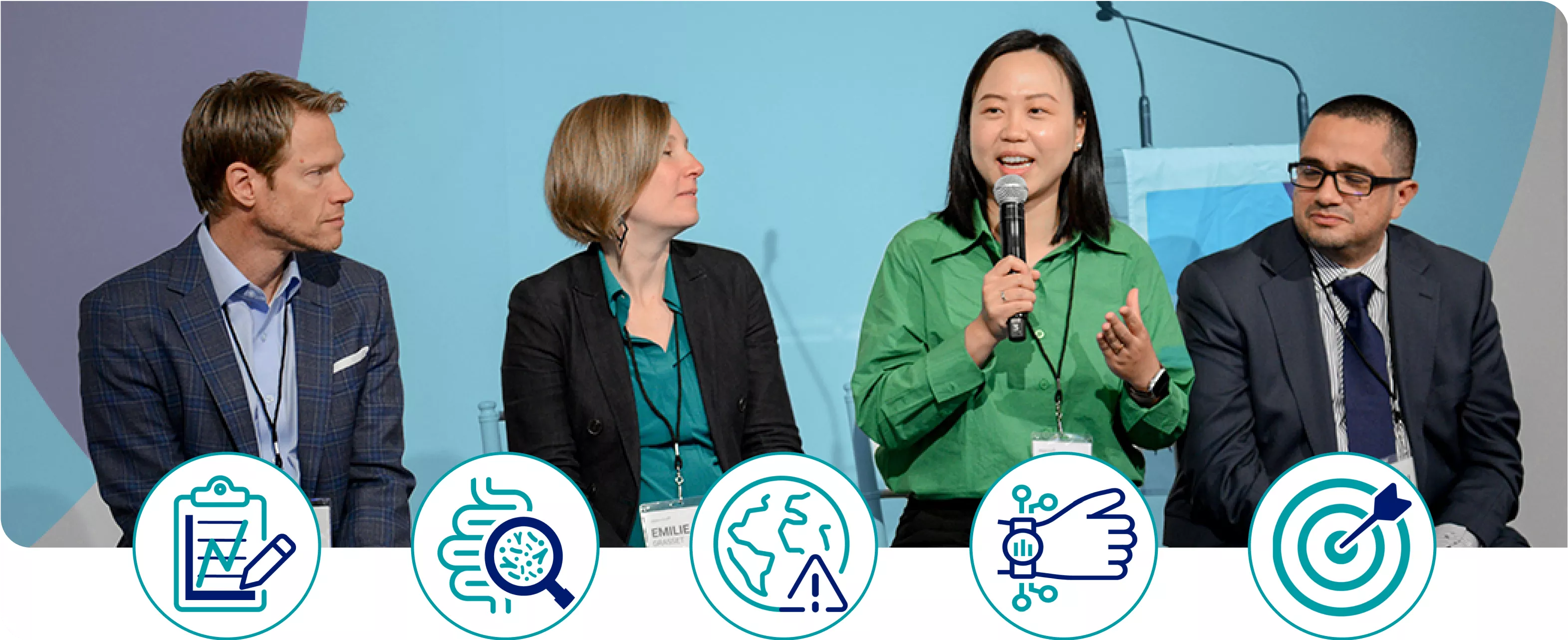
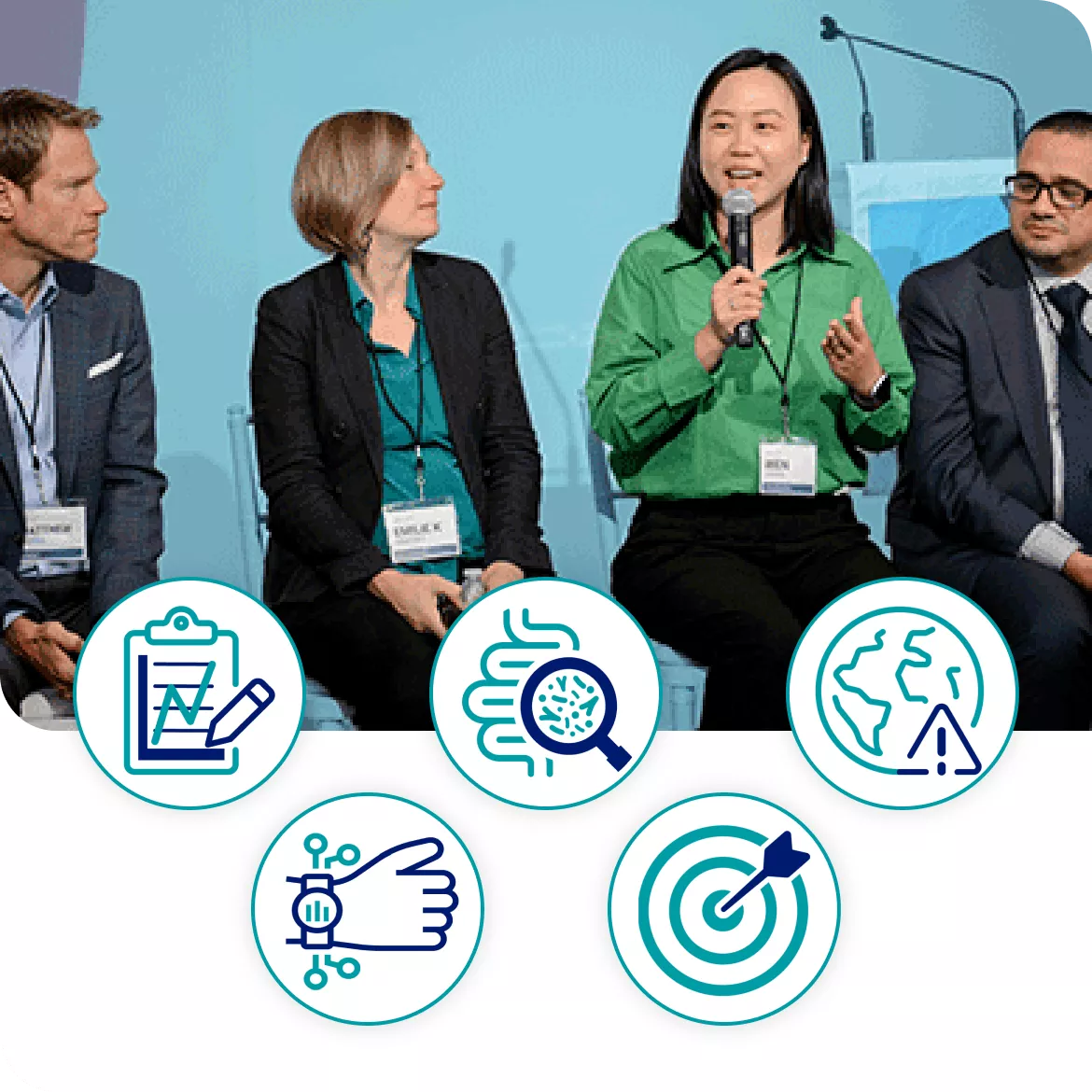
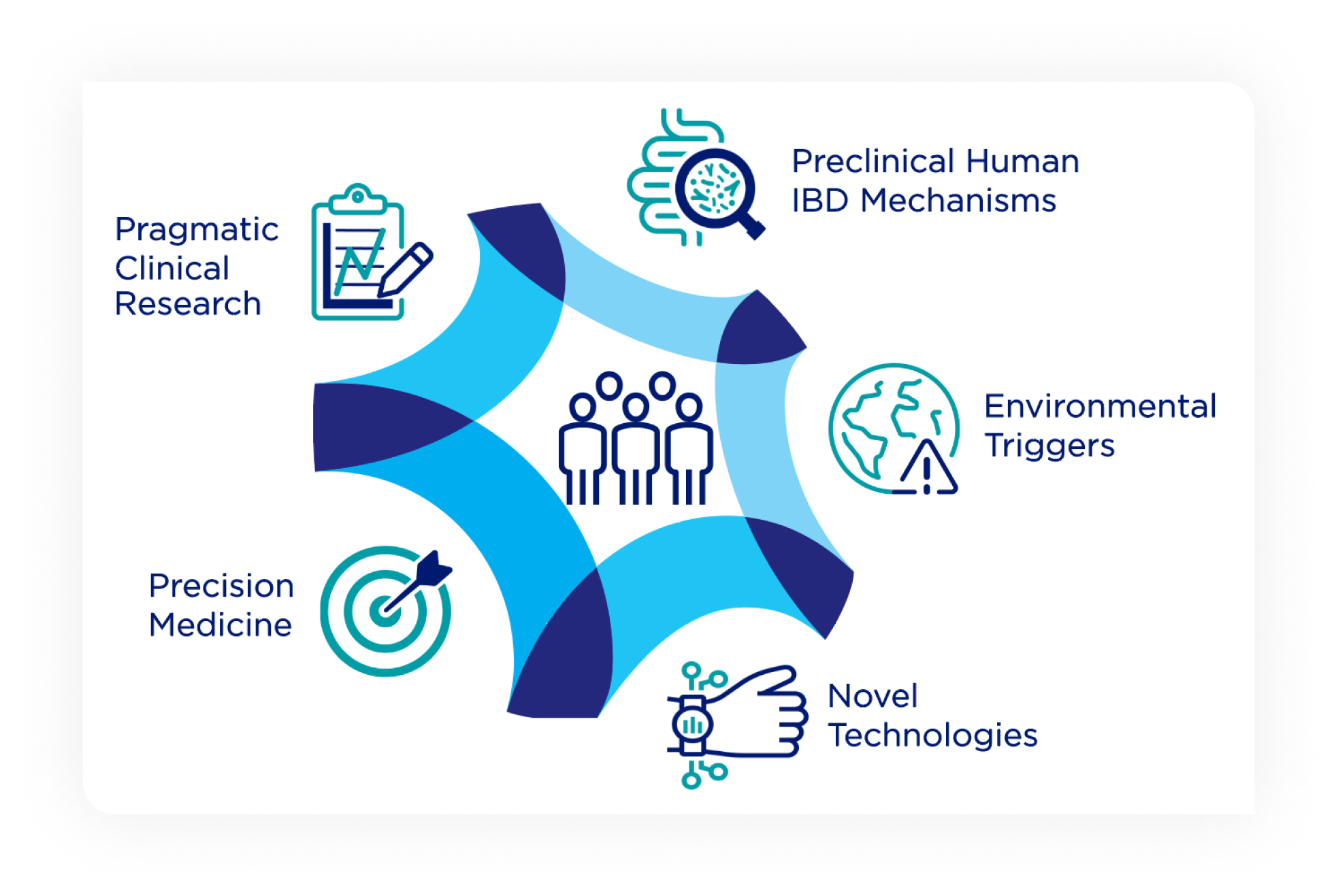
Our research priorities focus on five main areas that will take our current progress to the next step: understanding IBD's biology, finding environmental triggers, creating personalized treatments, using new technologies, and improving patient care. For instance, in the area of environmental triggers, where we have made progress on understanding the role of diet in IBD, we will also look beyond diet to factors like air pollution and microplastics in our food and water. In the area of new technologies, we will continue developing diagnostic tools (like wearables) and also look toward innovative treatments (like nano-robots for tissue repair). These examples and more aim to provide more precise and effective care for IBD patients.
"What's entirely novel in our new research agenda is that we introduced two new goals: prevention—which focuses on preventing the disease in the first place—and restoration, which aims to get patients back to as close to normal functioning as possible," says Alan Moss, MD, the Foundation's chief scientific officer.
The Who
Patients are at the heart of the Foundation’s mission. We make sure that their voices are heard and that our research priorities are focused on improving their quality of life. One example is creating a high-payload drug delivery system for children with IBD, which aims to provide a more effective and easier-to-take treatment by sending medicine directly to the part of their body that needs it. This system helps to maximize the treatment's impact while minimizing side effects. Another example is our Precision Nutrition initiative, which designs personalized diet plans based on a patient's unique microbiome, leading to better IBD management through food. The Foundation’s research roadmap is published in our Challenges in IBD Research report.
PATIENT Perspective

“I was able to offer my perspective on barriers to care, especially for people from diverse communities.”
At the Foundation, we involve patients in everything we do and ensure their voices are heard. Their input was integral to the development of our research roadmap. Myisha Malone-King, a nurse in Baltimore, Md., brought her vibrant energy and her vital patient perspective to the Foundation's Pragmatic Clinical Research workgroup, which explores how research can use real-world observations to understand IBD. Learn more about her experience and other patients who helped set the course for our research priorities.
ResearchUpdate
Right Research, Right Investor, Right Patient: The Impact of IBD Innovate
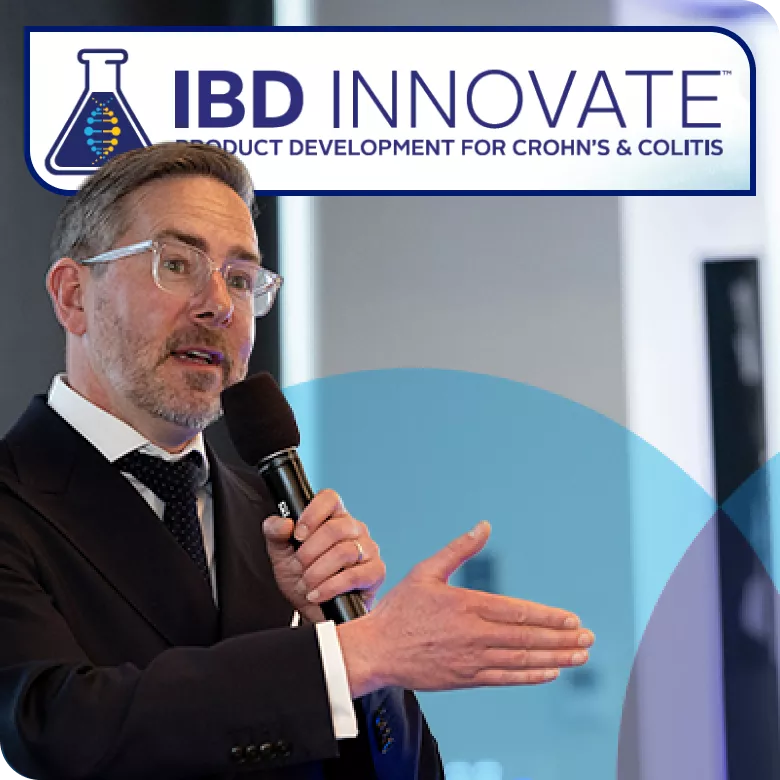
Conference is catalyzing new thinking (and partnerships) to advance patient care
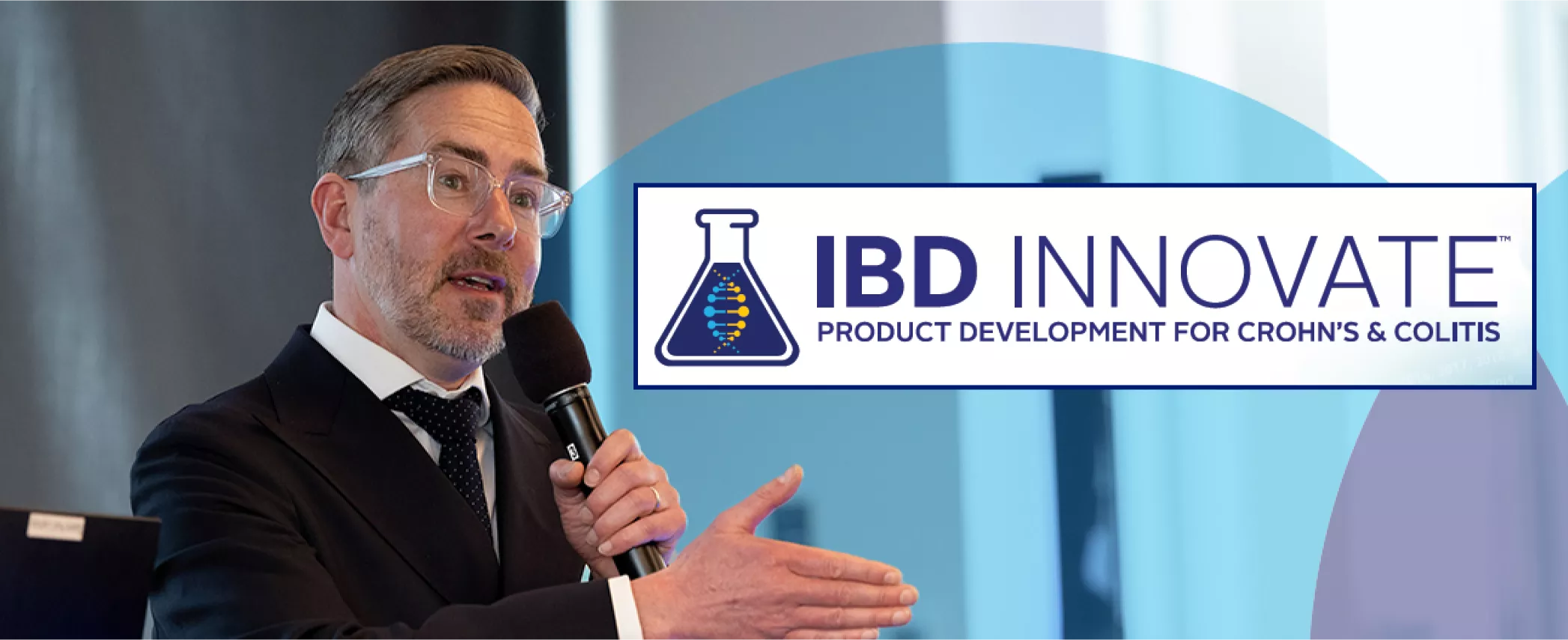
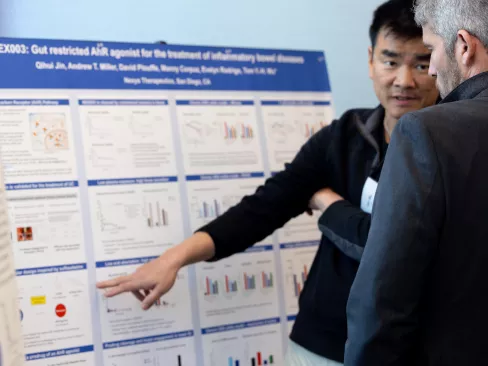
At IBD Innovate 2024, held this April in Cambridge, Mass., 170 biotech and pharma scientists, entrepreneurs, funders, researchers, regulators, and patients from nine countries gathered with one goal: to share the latest innovations in IBD products, and connect bold inventors with venture capitalists and other investors to fund their treatments and diagnostic tools to fruition.
Andrés Hurtado-Lorenzo, Ph.D., senior vice president of Translational Research and IBD Ventures, developed IBD Innovate to foster partnerships that translate research into products by bringing the IBD product development ecosystem together to learn, and by putting investors in front of new inventors. Six years later, IBD Innovate has helped the Foundation be recognized as a convener, and a driving force behind next-generation treatments, medical devices, and diagnostics for IBD.
“There’s a lot of IBD science,” says Hurtado-Lorenzo describing the conference, “but the focus is not what are the latest advances in the basic understanding of IBD; it’s how we can convert that knowledge into IBD products…and form new partnerships.”
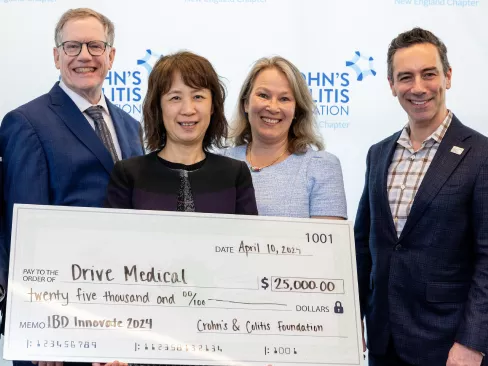
Drive Medical’s “Pollywog,” designed by Yan Zhao, MD, Ph.D., was the winner of the conference’s inaugural pitch competition. Drive’s $25k purse will help develop a robotic enteroscope for colonoscopies without general anesthesia. Also at IBD Innovate, an IBD Ventures-funded biotech company secured a multimillion investment for the first clinical trial of its candidate IBD drug.
“That’s exactly what the idea was,” says Hurtado-Lorenzo, “to bring the right people to the right place together.”
PATIENT perspective

“We need effective, accessible, and affordable treatments.”
Diagnosed with IBD 15 years ago, volunteer and advocate Jordyn Burger was a speaker at IBD Innovate and shared the isolation of living with IBD (“It’s not normal to talk about going to the bathroom”); anxiety around meals; and the fatigue, joint pain, and stress, among, other challenges. Her advice to attendees included listening to patients and ensuring that clinical trial populations reflect our patient populations. View her presentation here.
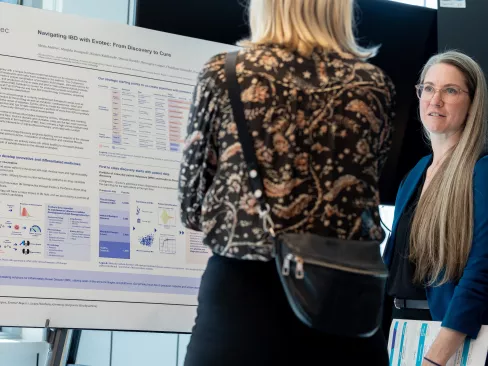
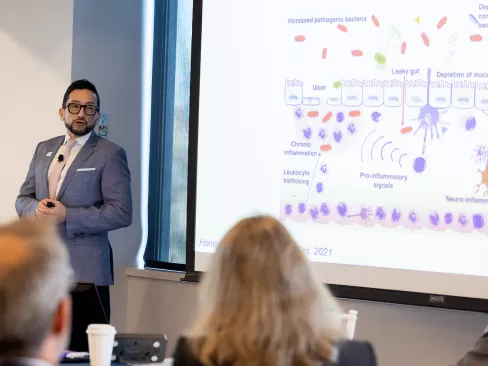
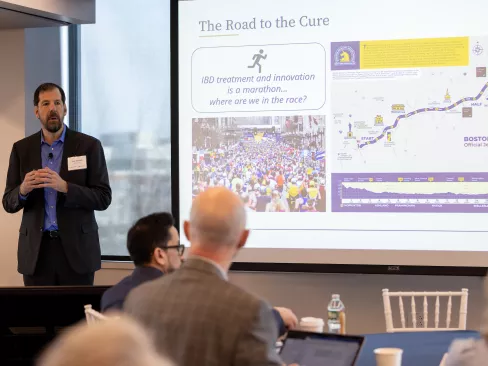
Images from IBD Innovate 2024





Research news & announcements
Innovative Drug Targets Inflammation Directly in the Colon
The Foundation supports the early development of new and promising IBD products through our venture philanthropy arm, IBD Ventures. Our support of the biotech company, Giiant Pharma, has led to the development of a drug candidate that decreases inflammation in IBD patients by blocking the enzyme PDE4, which plays a role in regulating inflammation.
While existing PDE4 inhibitors are used in the clinic for psoriasis and have shown promise in treating IBD, they also have side effects such as vomiting and nausea. Giiant's new form of this drug (PALI-2108) would be absorbed in the colon instead of the small intestine, thereby reducing absorption into the bloodstream and the body, reducing side effects, and allowing a more targeted treatment for patients. Giiant advanced to where a company called Palisades Bio licensed the rights to develop and commercialize PALI-2108.
IBD Plexus® and CytoReason: Transforming Treatments with AI
The Foundation is excited to announce a new strategic collaboration with technology company, CytoReason, which specializes in developing advanced computer models using AI to understand diseases and develop new drugs. By combining CytoReason's cutting-edge technology with our IBD Plexus® database of real-world patient information, we can more precisely identify different subtypes of inflammatory bowel disease (IBD), predict how patients may respond to treatments, and discover new biomarkers to improve clinical trials. It will also help us better understand the biology driving Crohn's disease and ulcerative colitis at the molecular level to create more effective IBD treatments.
By leveraging artificial intelligence to analyze large datasets, we can map out how these diseases progress over time and develop more effective, personalized therapies...putting us at the forefront of using big data to transform IBD care. We look forward to gaining valuable new insights into the nature and treatment of IBD.
PatientSupport
Education + Engagement = MyIBD Learning's Perfect Impact Equation
Research proves the program is key to turning patients’ lives from surviving to thriving.
MyIBD Learning is a trusted source for information giving patients and caregivers 24-7 access to Crohn’s disease and ulcerative colitis resources. With mounting anecdotal evidence about the program’s positive impact, the Foundation now has compelling data to back it up: According to our recent survey, patients and caregivers reported higher levels of confidence about managing their disease and reported higher levels of well-being (i.e., having a more positive view of their present life situation) a few months after attending an in-person MyIBD Learning event compared to before attending it.
What It Is
MyIBD Learning is an in-person and online IBD library that offers comprehensive materials on disease understanding, treatment options, lifestyle guidance, diet, mental health support, and more. Curated by leading gastroenterologists, researchers, dieticians, and patient advocates, it features virtual videos, webinars, articles, and interactive tools. Recently, the Foundation conducted a survey to measure the impact of its in-person events.
Fostering Community
"Crohn’s disease and ulcerative colitis can be very isolating because of the nature of the symptoms and being labeled 'the bathroom diseases,’" says Ruby Lanoux, senior director of Education and Engagement. "Patients and caregivers attend to deepen their understanding of their diagnoses, treatment options, and ways to improve their quality of life."
Lanoux emphasizes the diversity of programming at in-person events, ensuring attendees gain new insights tailored to individual needs. "As much as there are two diagnoses, each patient’s journey is uniquely different," she explains. “It's a community of many people from different backgrounds that attend our programs to share and learn from one another."
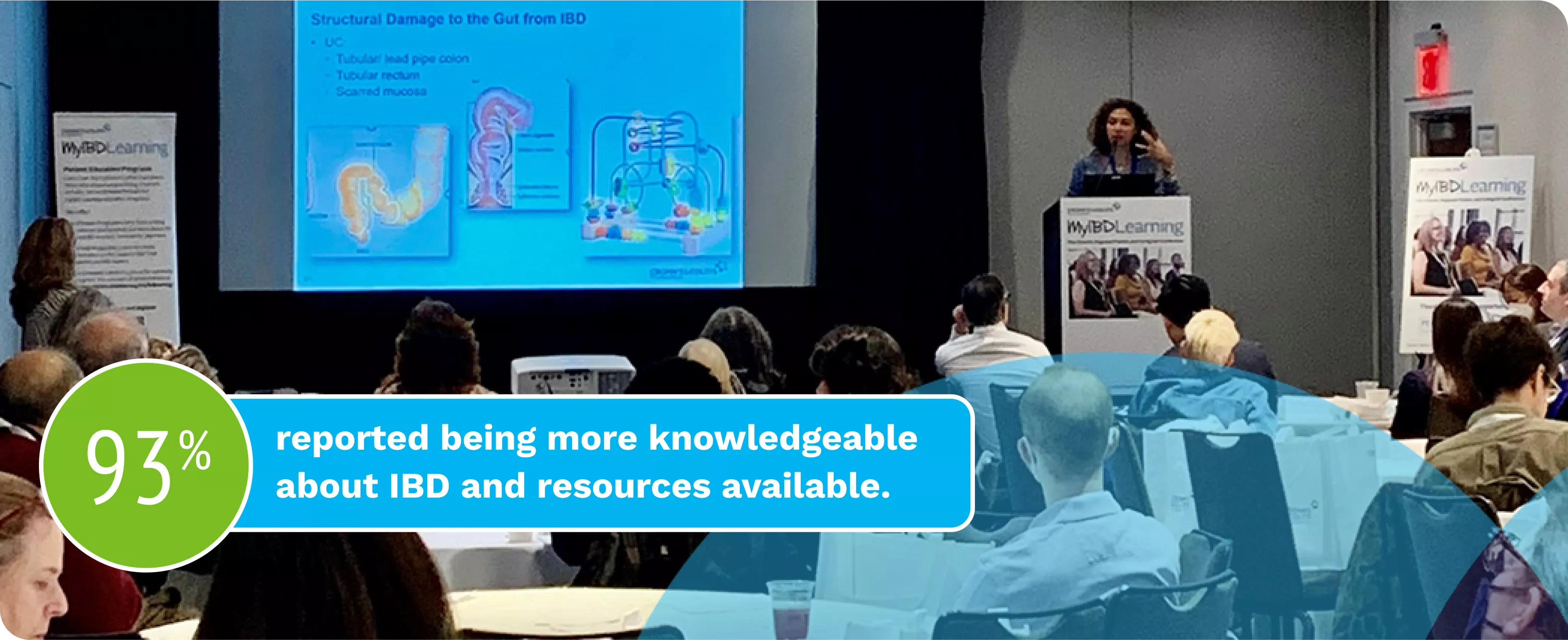
In 2023, 93 percent of participants who attended one of 15 nationwide events reported that they were more knowledgeable about IBD and available resources. Three months later, they reported higher levels of confidence in managing their disease and gave a higher rating to their well-being compared to participants before attending a MyIBD Learning event.
"At the end of the program, as patients and caregivers prepare to leave, we observe a noticeable alleviation of their worries and fears," Lanoux reflects. "As a Foundation staff member, it is deeply rewarding to see this change.”
PATIENT perspective

“MyIBD Learning is so crucial because it’s real people…coming together outside of that hospital through hope and shared experiences. There is some comfort knowing you’re not alone.”
Devon Walshe on her biggest takeaway from MyIBD Learning live events, which connect patients with information…and one another. Devon was a patient panelist in February at Cincinnati Children’s Hospital’s Shubert-Martin IBD Center, where she received her childhood ulcerative colitis treatments.
New GI Tract Guide Is the Latest Tool for Supporting the Patient Journey
Foundation helps patients understand how IBD can affect their GI tract
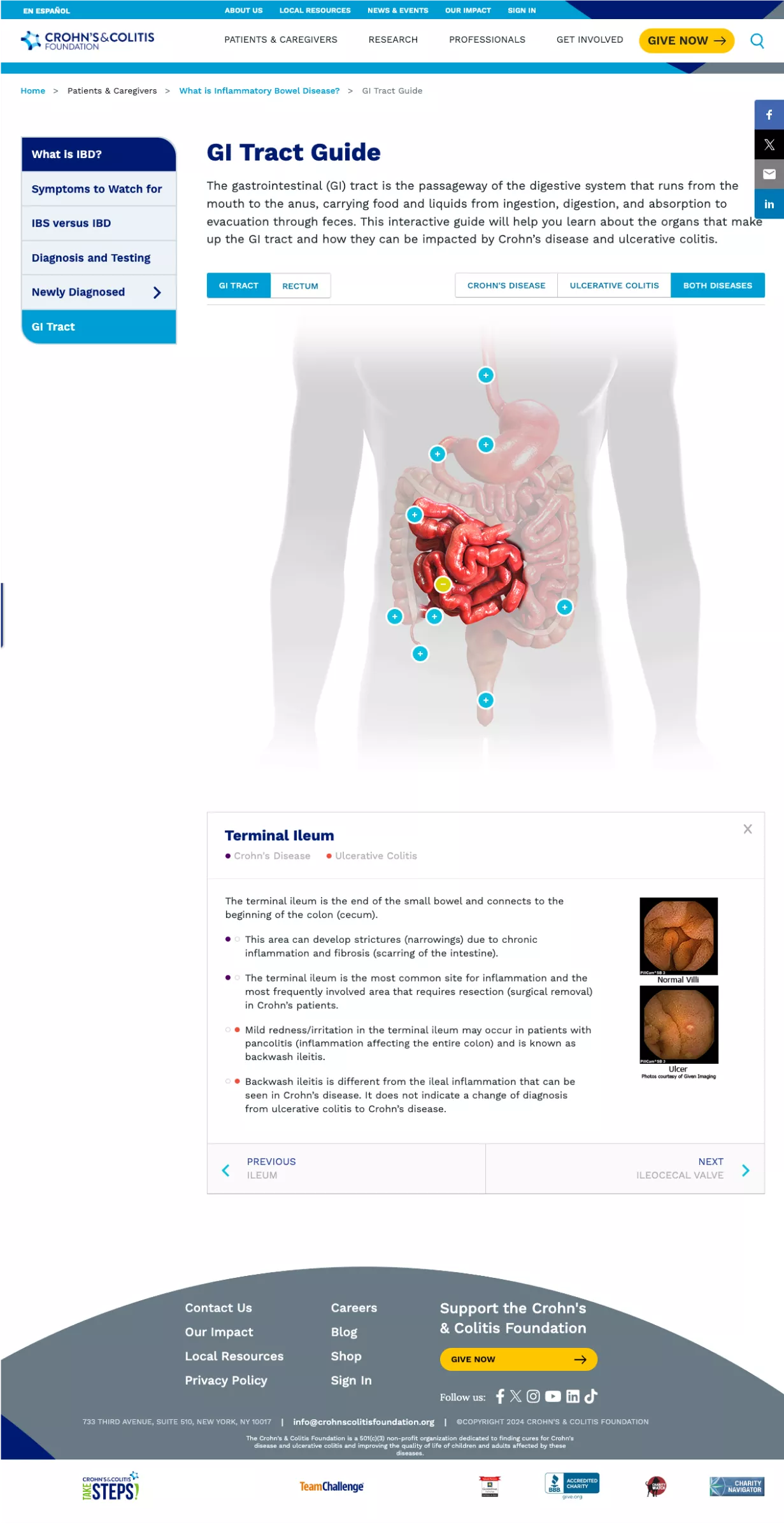
The Crohn’s & Colitis Foundation is proud to be the go-to source for people living with inflammatory bowel disease (IBD), providing resources that are based on research and science, and that are reviewed by leaders in the field to ensure we're delivering accurate and reliable information that both guides and educates. Our newest offering is an interactive GI Tract Guide to help patients understand how Crohn's disease and ulcerative colitis can impact their digestive organs. With just a touch or click, users can explore realistic visuals of each organ and learn how it functions. Presented in an easy-to-understand way, the guide is invaluable for learning about IBD and the gastrointestinal tract.
IBD and the ER: How to handle urgent situations

New video helps prevent long-term issues with proper planning.
Having an urgent care plan is crucial for managing IBD flare-ups. Why? Well-meaning emergency rooms may inadvertently offer treatments that negatively impact IBD management and lead to long-term issues. To help patients understand why the emergency room isn't always the best place to receive care, the Foundation’s new animated IBD and the ER video maps out the symptoms that indicate an "urgent situation" and the importance of having an urgent care plan before an urgent situation arises.
This new resource is brought to you by IBD Qorus®, the Foundation’s national collaborative of GI providers working to improve the quality of care for IBD patients.
IBDAwareness
World IBD day

Uniting for Change on World IBD Day
Empowering millions through awareness and community
World IBD Day, held annually on May 19, raises global awareness about inflammatory bowel disease (IBD), including Crohn's disease and ulcerative colitis. For over 10 million people with IBD worldwide, this crucial day amplifies patients’ voices, fosters community, and drives support for research and treatments.
This year's Foundation campaign, "Make it a gut-friendly world"— which educated people about IBD and offered our “Gut Friendly” recipe guide for download—was seen by almost three million people and engaged more than 270,000 across our social media platforms. Visit GutFriendlyRecipes.org to learn more about gut-friendly recipes.
Do you know our impact?

We’re beyond grateful for our supporters!
The following individuals and foundations have made important and significant contributions to the Crohn’s & Colitis Foundation in support of our mission programs. We are deeply grateful to them for their extraordinarily generous gifts.

Financials
The money the Foundation spends goes toward research, education, and support services.

Impact Report Archive
Follow the Foundation’s advancements in the IBD space.