




IBD and Mental Health | Healing Beyond the Gut
Published: May 14, 2025

Living with IBD: The Emotional Burden We Don’t Talk About
Nearly one in 100 people in the U.S. are living with inflammatory bowel disease (IBD), an umbrella term for Crohn’s disease and ulcerative colitis. IBD causes inflammation of the gastrointestinal (GI) tract and is a chronic and sometimes painful illness.
Beyond the physical discomfort, the disease often takes a mental and emotional toll. Navigating daily life with IBD can feel challenging and frustrating, but you are not alone.
Healing beyond the gut means acknowledging the anxiety, shame, and sadness that all too often go unspoken. Let’s go there together – because managing IBD isn’t just about inflammation. It’s also about caring for your mental health and seeking emotional support. Wherever you are in your IBD journey, the Crohn’s & Colitis Foundation is here to help.
Common emotional symptoms: anxiety, depression, isolation
It’s normal to experience emotions like stress, fear, and frustration when living with IBD. It can also be isolating to miss out on events or feel alone in your experience. A chronic illness is challenging as it touches many parts of life, from work and school to travel and finances. Studies show that people with Crohn’s disease and ulcerative colitis are two to three times more likely to experience anxiety or depression.
Another common symptom of IBD is fatigue, which affects 80% of IBD patients with active disease and 50% of patients in clinical remission. It’s a symptom that affects both the body and mind and doesn’t always make it easy to feel like you can keep up.
What the Research Says: Mental Health and IBD
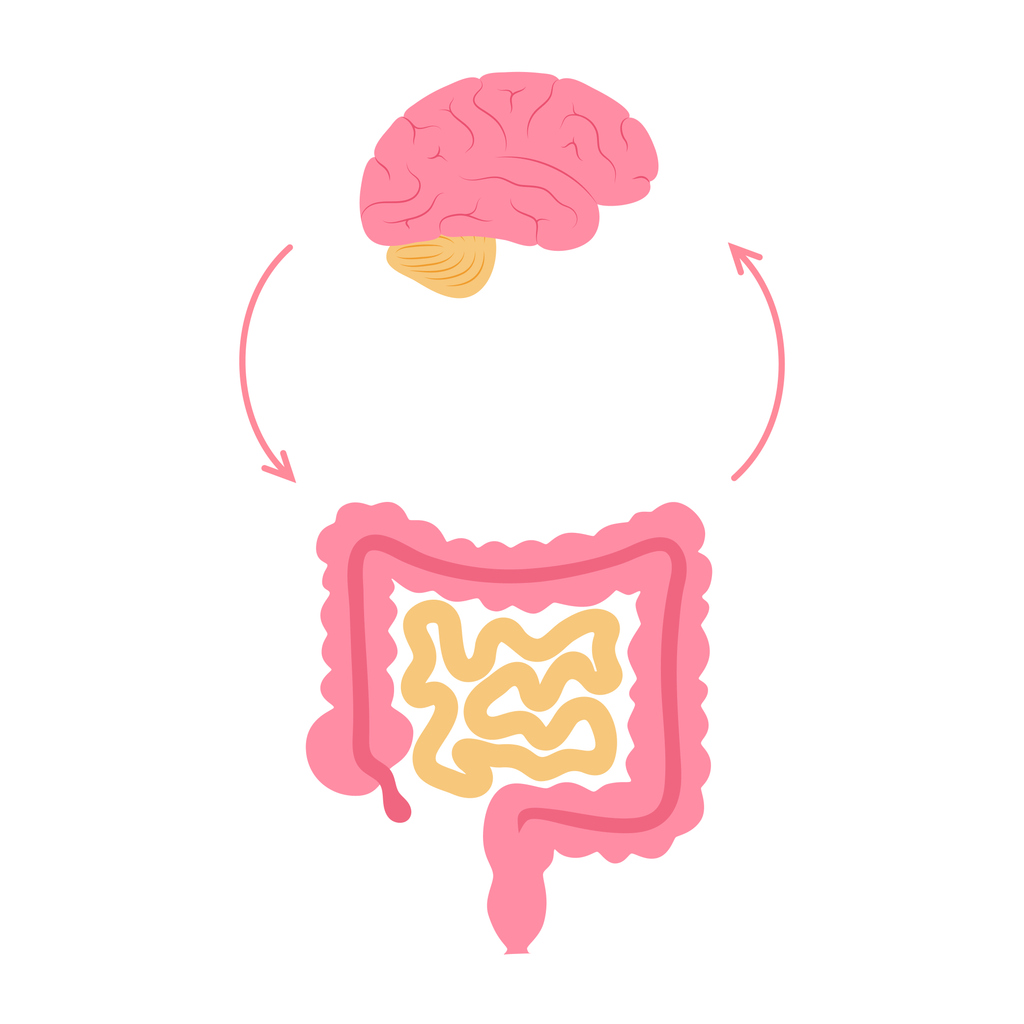
Research continues to reveal the importance of the brain-gut axis, the body’s communication pathway between the mind and digestive tract. This means that caring for mental health and disease management go hand in hand.
Stephen Lupe, a gastrointestinal psychologist at the Cleveland Clinic, knows this well. “The more data we get, the more we know that disturbances in the gut microbiome contribute to mood-type problems. As patients experience more psychological stress, their symptoms get worse, and their hospital admissions and need for surgery increases.”
How the Foundation continues addressing the gap
Recognizing the link between psychiatric stress and disease flares, the Foundation is raising doctors’ awareness about this cycle so they can better support their patients with strategies to balance both their IBD and their mental health.
One of the priorities of our new 2025–2028 strategic plan is better integration of psychosocial support into IBD treatment and education.
Recently, the Foundation worked with a panel of IBD and mental health experts to create a consensus statement outlining six actions doctors can take to enhance patient screening and treatment. These actions have become a core set of guidelines that support the whole patient, emphasizing routine mental health screening, integrating psychological support into IBD care, and improving access to mental health resources.
Patient Stories: Healing Beyond the Gut
Gaylyn Henderson’s journey of emotional resilience
Diagnosed with Crohn’s disease at age 14 and living with a permanent ileostomy, Foundation social media ambassador Gaylyn Henderson knows what it’s like to battle the complex emotions and symptoms that accompany IBD.
“Mental health disorders, much like IBD, aren’t always visible, but that doesn’t make it any less real,” said Gaylyn. “I’ve learned there’s no reward for struggling through mental illness without seeking the help you need. When we share our stories and amplify our voices, we build bridges of understanding and connectedness.”
Gaylyn is raising her voice as part of the Foundation’s Let’s Go There campaign, which brings honest conversations about IBD into the open to create awareness and connection.
How peer support and community foster healing
Hearing authentic stories from people like Gaylyn can help ease the emotional burden of IBD. Connecting with others who have been through the same experiences can be a meaningful part of the healing process.
The Foundation has a network of experts, resources, and communities of people who can ensure you have the support you need to live your best life. From peer support groups to apps and resources, lean on this community for guidance.
You can also share your story to help others with IBD feel less alone.
Steps You Can Take to Support Your Mental Health
Other ways you can care for your mental health include:
- Talking to your GI provider about screening
- Finding an IBD-informed therapist
- Practicing mindfulness
- Joining a Foundation peer support group
- If you’re having thoughts of suicide, call or text 988 to connect with free and confidential support at the 988 Suicide & Crisis Lifeline
Your mental health matters just as much as your physical health. When your healthcare team supports both, it can make a real difference: helping you navigate IBD with greater ease, find more balance, and feel more empowered to live the life you deserve.
Contact the IBD Help Center to connect with other support resources.
You can make an impact on IBD cures! Please consider making a donation to the Crohn’s & Colitis Foundation.