IBD Pro | When the Gut Isn't The Whole Story: Managing Extraintestinal Manifestations in IBD
Published: August 1, 2025
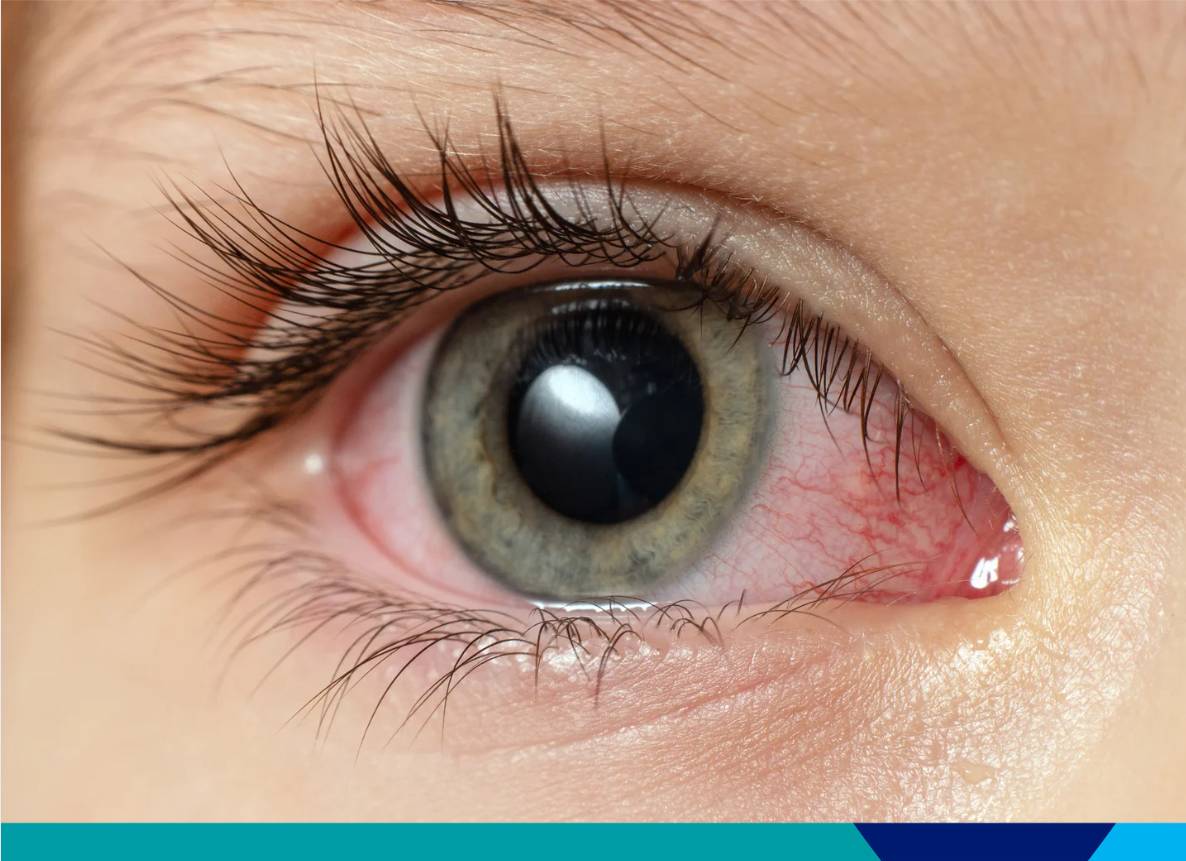
Up to 50% of Crohn’s and ulcerative colitis patients will develop extraintestinal manifestations (EIMs), affecting joints, skin, eyes, and the liver, but EIMs don’t always track with intestinal inflammation.
That means a patient can be in gut remission yet struggle with arthritis, uveitis, or skin lesions. Recognizing which EIMs respond to gut-directed therapy—and which require a rheumatologist, dermatologist, or ophthalmologist—is crucial.
For example:
- Peripheral arthritis often improves when IBD is controlled.
- Axial arthritis or uveitis, however, may persist regardless of gut activity, necessitating specialist collaboration.
- Skin manifestations like pyoderma gangrenosum may even worsen with certain therapies, underscoring the need for tailored treatment choices.
Understanding these patterns helps you choose the right therapy, prevent long-term complications, and improve patient quality of life.
This post includes select takeaways from the 2025 Virtual APP Education Conference where it was originally presented by Susie Lee, RN, DNP, FNP-C, FCCF. The full conference is available on demand for free, giving you the opportunity to dive deeper into the management of EIMs and enhance your clinical practice.
Like this content?
Access more expert insights, education, and community support as a Professional Member of the Crohn's & Colitis Foundation. Our IBD Pro Membership program includes:
- Access to Inflammatory Bowel Diseases and its extensive archives online ($1650 institutional value)
- Discounted registration for Crohn's & Colitis Congress (approximately $100 value)
- Discounted open-access fees to publish in Crohn's & Colitis 360 (approximately $750 value)
- And more!