




Why Clinical Trials Matter for IBD Research
Published: May 14, 2026
Discover how clinical trials shape the future of Crohn’s disease and ulcerative colitis care. Learn from families, explore trial options, and find out how research powers better treatments.

Let’s go there: The importance of clinical trials
Inflammatory bowel disease (IBD) affects nearly 1 in 100 people living in the United States. Research plays a critical role in developing treatments that help manage symptoms, induce remission, and improve quality of life. Clinical trials are an essential part of that process.
What are clinical trials?
Clinical trials help researchers discover new ways to diagnose, treat, and improve life for people living with a disease. They are one of the final stages in a long research process that often begins in a laboratory, where scientists first test new ideas and therapies.
Clinical trials aren’t limited to medications. They can also involve tests, the role of diet in disease management, or even understanding the emotional impact of living with IBD.
Types of Clinical Trials
There are many different types of clinical trials for people living with IBD, each designed to answer specific questions and expand understanding of the diseases.
Treatment trials test the safety and effectiveness of new medications, therapies, or surgical approaches for IBD.
Prevention trials focus on people at high risk for developing IBD or those currently in remission, to prevent the disease from starting or having a relapse.
Diagnostic trials evaluate new ways to diagnose IBD more accurately or efficiently, such as non-invasive imaging or biomarker-based methods.
Screening trials aim to improve early detection of IBD or IBD-related complications in people who are at high risk.
Genetic trials study how genes may influence IBD risk, including genes that may increase susceptibility or offer protection.
Quality-of-life trials explore ways to improve daily living for people with IBD, including research on nutrition, physical activity, stress management, and behavioral approaches to symptom management.
Clinical trials stories from the IBD community
Participation in clinical research isn’t just a contribution — it’s a legacy of hope.
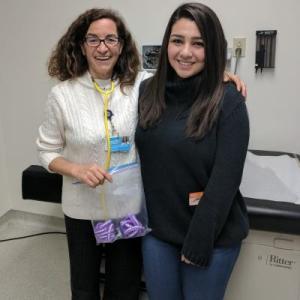
How the Hernandez family got involved to make a difference
Tania Hernandez became involved with the Crohn's & Colitis Foundation after her daughter, Maddy, was diagnosed with Crohn’s disease at age 14. Adjusting to life with a chronic illness was challenging, from managing medications and dietary changes to coping with the stress of high school.
Maddy’s doctor at Children’s Hospital Los Angeles recommended she participate in a clinical research study investigating fecal transplants for pediatric IBD patients. The treatment had the potential to reduce the amount of medication she needed.
Maddy immediately embraced the opportunity. “If it’s going to benefit not only me but others, then why not do it?” she said.
Following the procedure, Maddy experienced significant improvement and was eventually able to stop taking medication altogether.
“My advice to other parents would be to give clinical trials a try,” Tania said. “That is the only way we are going to assist in hopefully one day finding a cure for Crohn’s disease.”
Diversity, Equity, and Representation in Research
Clinical trials need participation from people of different races, ages, ethnicities, and backgrounds to ensure research reflects the full IBD community. Diverse participation helps researchers develop treatments that are effective for a broader range of patients.
However, recruiting and retaining participants remains a challenge, particularly among women, older adults, and historically underrepresented communities. When enrollment goals are not met, research and drug approval timelines can be delayed.
How the Foundation is helping close the gaps
The Foundation is leading a three-year initiative to improve recruitment and retention in IBD clinical trials. The effort includes identifying barriers to participation and developing strategies to better engage underrepresented communities, initially focusing on Black/African American and Hispanic/Latinx patients. Additionally, the Foundation has developed guidance for clinicians on referring patients to clinical trials and discussing trial opportunities, along with tools to help clinical trial development teams design more patient-centered studies.
Learn more about clinical trials and get involved
Join us on Clinical Trials Day, May 20, from 8-9 PM ET for a webinar on navigating clinical trials. Expert speakers will explore each stage of the process – from enrollment and active participation to post-trial outcomes – so you can better understand how clinical studies advance IBD research. Register here.