


Diet & Nutrition for IBD
Food is an important part of living with inflammatory bowel disease (IBD), including Crohn’s disease and ulcerative colitis, but there is no single diet that works for everyone. Get information and answers to your diet questions.

What should you eat with IBD?
Many people living with Crohn's disease or ulcerative colitis ask the same question: What can I eat?
The answer depends on your symptoms, where inflammation occurs, your nutritional needs, medications, and personal food tolerances. While there isn't one diet proven to cure IBD, understanding nutrition can help you:
- Reduce symptom triggers
- Maintain good nutrition
- Support healing
- Prevent nutrient deficiencies
- Feel more confident about everyday meals

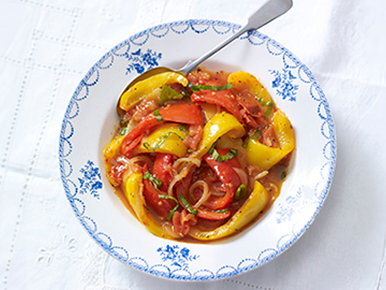

Discover the Role of Nutrition in IBD
Learn how diet plays a role in Crohn’s disease and ulcerative colitis, and how your healthcare team can guide and support your nutritional needs.
The relationship between diet & IBD
Diet does not cause Crohn's disease or ulcerative colitis, but the foods you eat can influence your symptoms, nutritional health, and overall well-being. While there is no single diet that works for everyone with IBD, learning how different foods affect your body can help you manage symptoms, support remission, and meet your nutritional needs. Explore guidance on eating with IBD, common dietary approaches, meal planning, and practical tips developed with IBD experts.
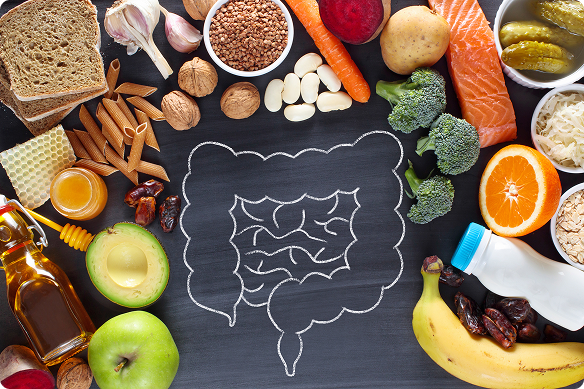
Understand malnutrition, its causes and signs
Malnutrition is common in people living with IBD, even if weight loss is not obvious. Inflammation, decreased appetite, nutrient malabsorption, and surgery can make it difficult to get the calories, protein, vitamins, and minerals your body need.
Learn how to recognize the signs of malnutrition, understand your nutritional risk, and work with your healthcare team to build a nutrition plan that supports your health.
Vitamins & minerals, are essential for your health
People with IBD may be at increased risk for vitamin and mineral deficiencies, including iron, vitamin B12, vitamin D, calcium, folate, and zinc. These nutrients (known as micronutrients) play an important role in energy, bone health, immune function, and overall wellness.
Discover which nutrients may require monitoring and when supplements may be appropriate as part of your personalized care plan.
Promote healing after surgery with good nutrition
Nutrition is an important part of preparing for surgery and supporting recovery afterward. Depending on the type of surgery you have, your nutritional needs may change, and some people may require specialized diets or additional nutritional support during recovery.
Learn how proper nutrition can help promote healing, maintain strength, and support long-term digestive health after IBD surgery.

Enteral and Parenteral Nutrition In IBD
Nutritional support therapy may be recommended when complications from Crohn’s disease or ulcerative colitis, such as severe inflammation, weight loss, surgery, or bowel obstruction, make it difficult to get enough nutrition from food alone.
Depending on your needs, your doctor may recommend enteral nutrition (liquid formula) or parenteral nutrition (intravenous nutrition) to help maintain your health and support recovery.
Special Diets in IBD
From the Mediterranean Diet to Low FODMAP and beyond, there are many diets that can be helpful for people with Crohn’s disease and ulcerative colitis. Learn what these diets involve, who they may help, and what to discuss with your healthcare team.
IBD Help Center
Get personal answers from our knowledgeable Information Specialists. Leave us a message 24/7 and we'll call you back. Chat is available Monday: 9:00 a.m. – 5:00 p.m. and Tuesday, Thursday: 9:00 a.m. – 9:00 p.m. EST.
-

Give Us A Call
1-888-MY-GUT-PAIN -

Connect with Email
Send us an Email -

Help Center Page
Visit web page
Have an appetite for learning?
Explore a variety of educational resources to help you take a deeper dive into diet and nutrition for your Crohn’s disease and ulcerative colitis.