




Issue Highlights
New strategic plan includes a 10-year peek into the future
How far we’ve come since ‘21: A retrospective
Congress 2025, through the eyes of patients
The Foundation is featured on CBS

Featuredstory
Shaped By Volunteers, Driven By Vision: The Foundation’s Strategic Plan
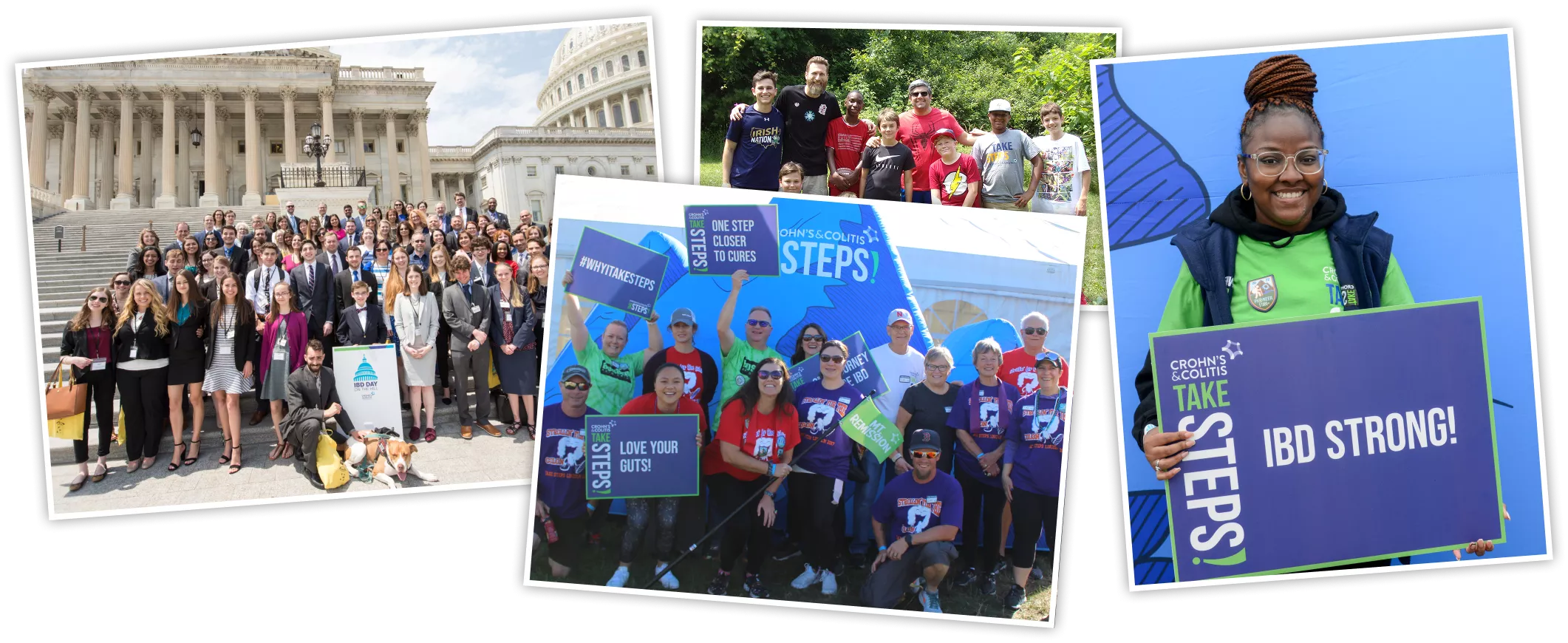
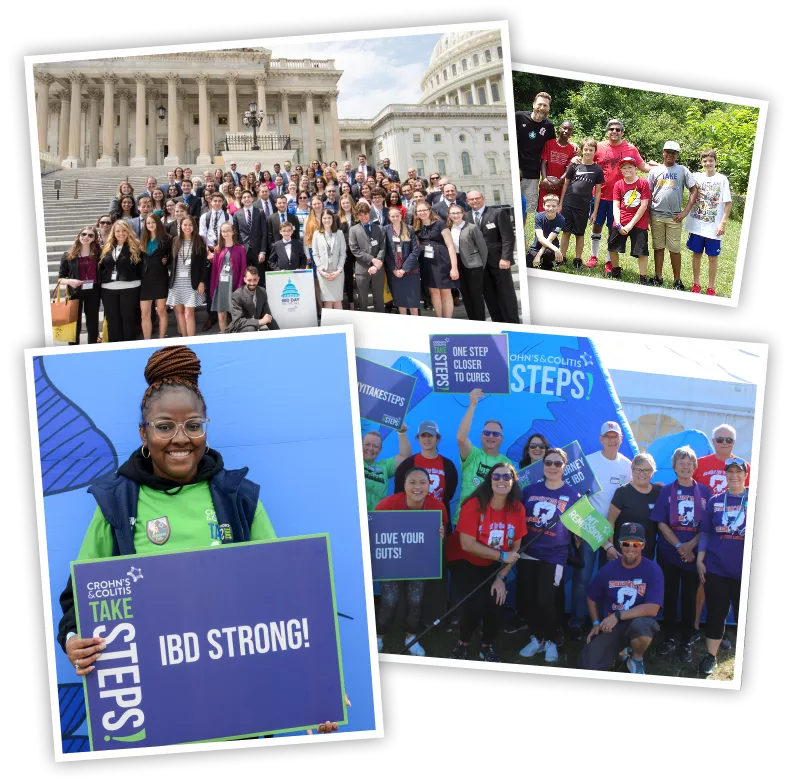
A new roadmap shapes the future of research, care, education and advocacy.
Harnessing the passion and insight of volunteers, the Foundation has launched its bold new four-year strategic plan (2024–2028), setting the stage for transformative progress in IBD research and patient care.
By the Community, For the Community
Patients, caregivers, researchers, and healthcare professionals shaped every aspect of this strategy, ensuring it reflects the real-world needs of the IBD community.
“Our strategic plan is not just a document — it’s an anchor that drives us forward,” says Orna G. Ehrlich, MPH, chief of staff and impact, who co-led the year-long process with Foundation President and CEO Michael Osso. “It was shaped by diverse voices who provided invaluable insights.”
A 50-member task force included 25 percent volunteer leaders. To ensure broad input, the Foundation launched a new survey, collecting feedback from over 900 respondents (60 percent of whom were patients) on the priorities they believed should shape the Foundation’s future.”
“We got incredibly valuable insights that helped us draft the plan’s objectives,” says Ehrlich. Objectives were then shared in multiple rounds of feedback with the National Scientific Advisory Committee, chapter presidents, and additional volunteer groups before being widely broadcast for public commentary.
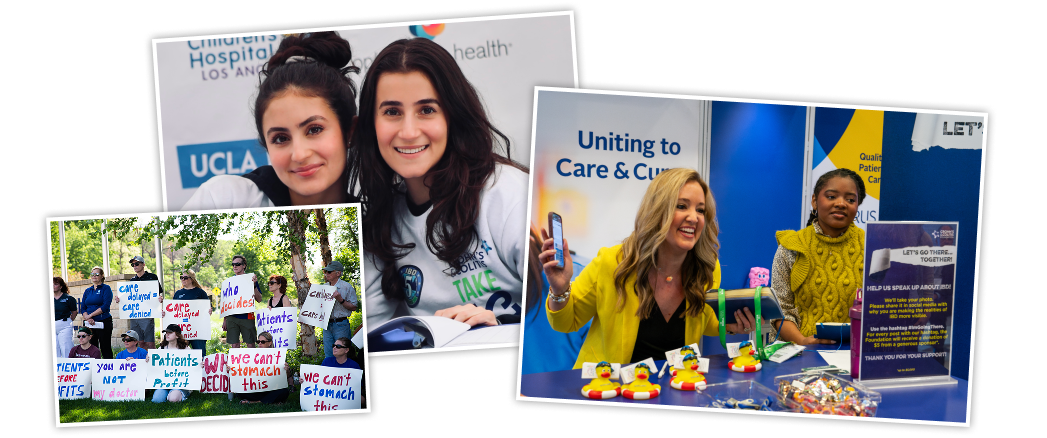
“Being part of the task force was another great example of how the Foundation includes patients and caregivers,” says Erin Wilson, NW Chapter Board Vice President and a mother to her 14-year-old “Crohn’s warrior.” “It was rewarding to collaborate with people at the chapter and national offices on the issues facing patients and their families.”

Guided By Core Objectives
The plan is built around four core mission-focused objectives, with targeted goals to drive research, expand care access, and enhance patient education:
- Accelerating understanding of IBD prevention and progression
- Fostering groundbreaking innovations toward cures
- Enabling access to quality patient care
- Serving as the principal resource for the IBD community
The strategy aligns with the Foundation’s Challenges in IBD research roadmap, focusing on emerging disease prevention and progression areas.
A Vision for the Next Decade
For the first time, the Foundation incorporated a 10-year vision into the plan. “Recognizing that our ultimate vision is a world free of Crohn’s and colitis, we wanted to establish clear milestones along the way,” Ehrlich explains. “This helps people see the North Star we’re working toward.
Committed to Collaboration and Diversity
Highlighting the value of volunteers in advancing the plan’s goals, Michael Osso notes that despite the world's global uncertainty during the last four years, "our strategic plan...led to remarkable progress in driving next-generation treatments, expanding access to care, and being the trusted source for the IBD community," reflecting the strong collaboration among the Foundation's volunteers, staff, community partners, and supporters to set the stage for continued progress.
Diversity, equity, and inclusion remain central to the strategy, ensuring the Foundation reaches all members of the IBD community, including those historically facing barriers to care.
Ehrlich notes that volunteer enthusiasm has been among the process’s most rewarding aspects. “People spent so much time thinking through how to shape our plan, and the excitement and appreciation we’ve received in return have been truly inspiring."
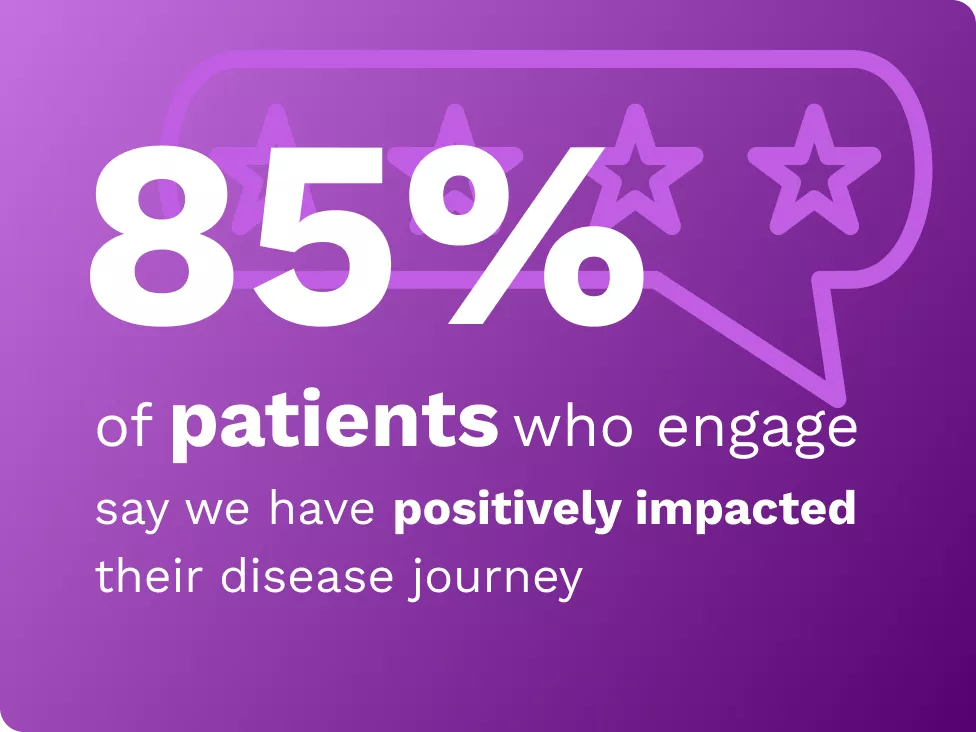
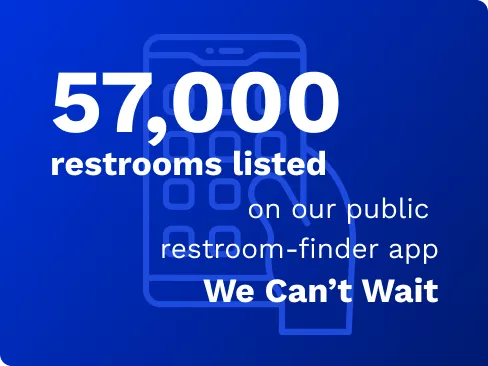
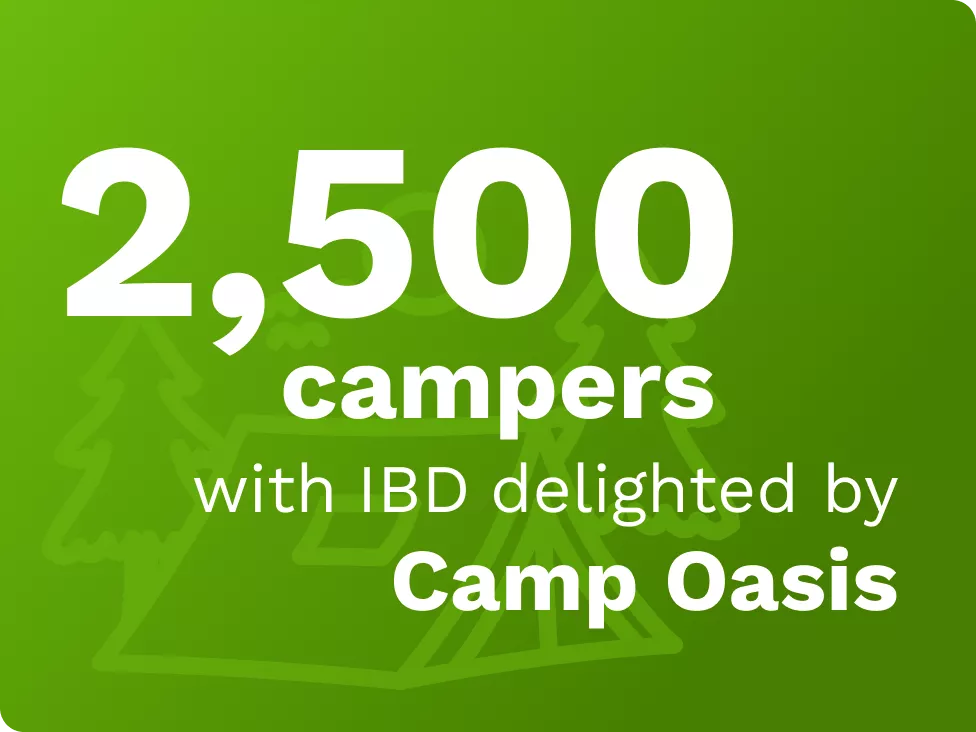
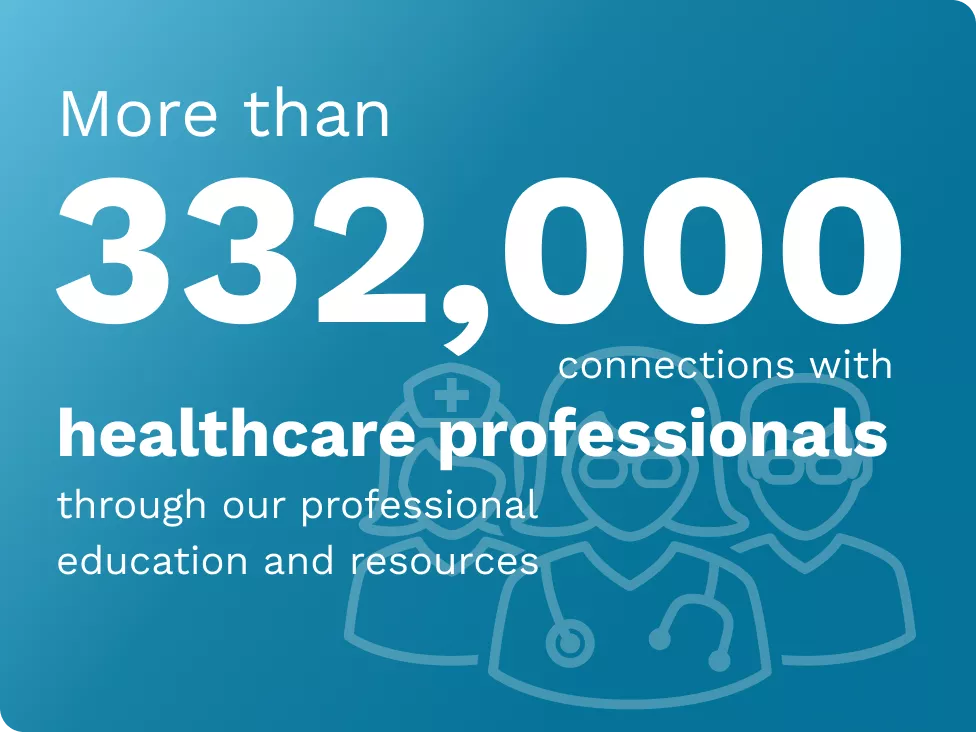
Our Impact: How Far We’ve Come
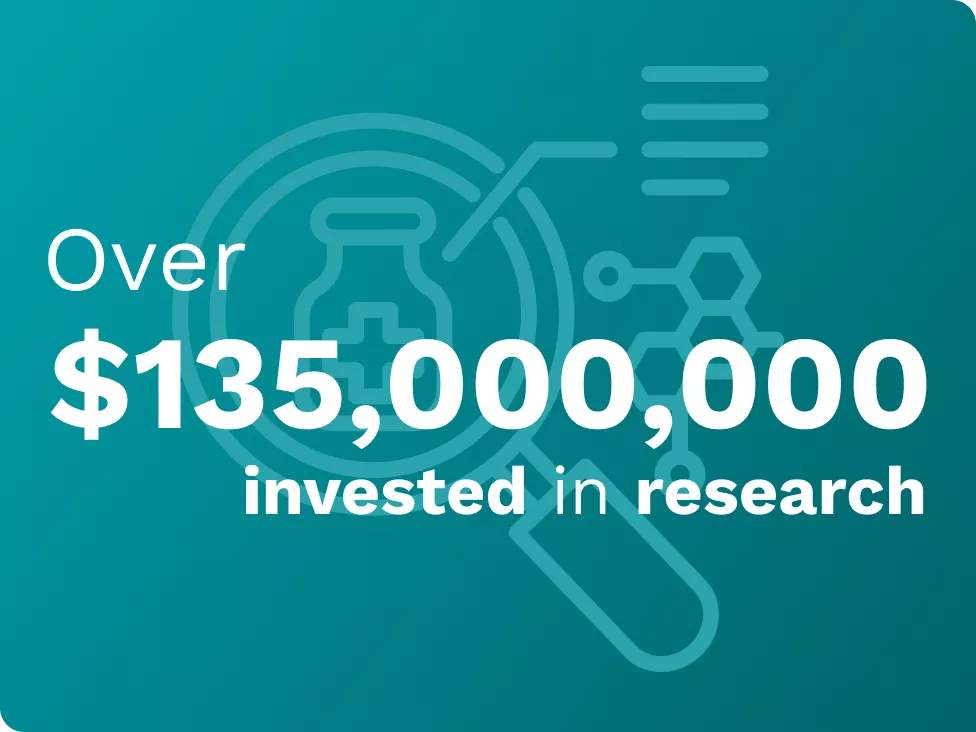
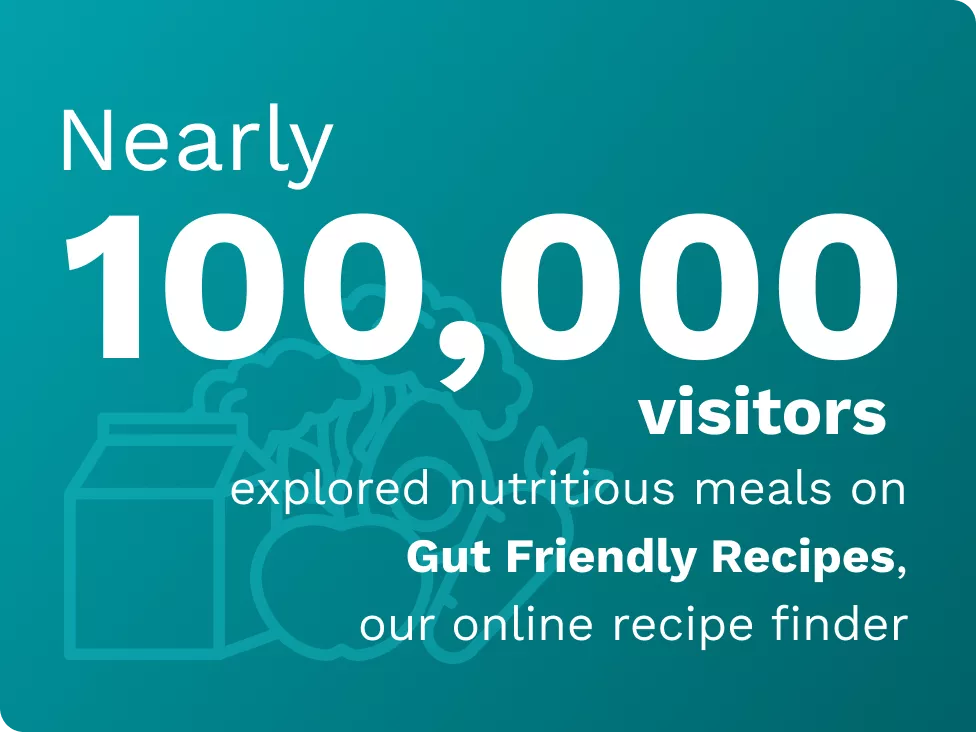
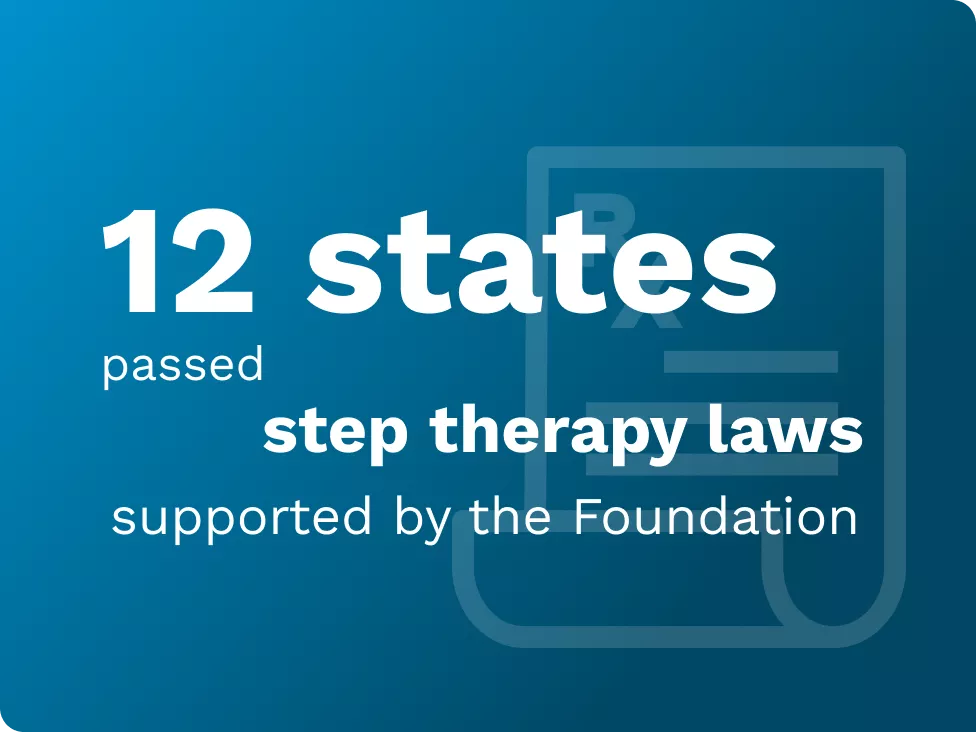
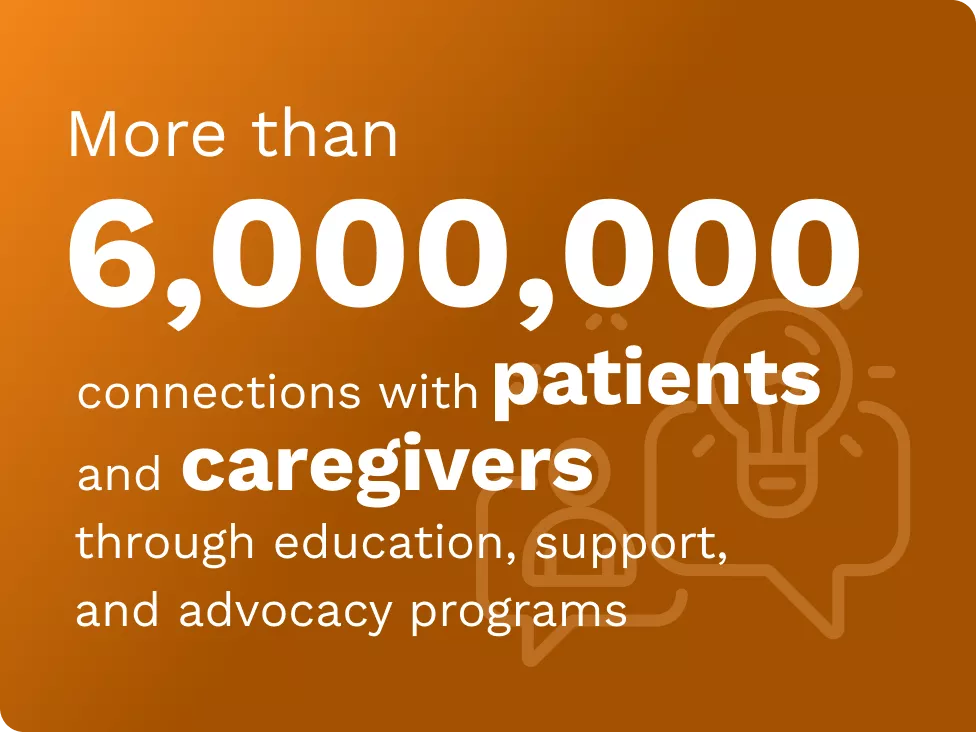
To know where you’re going, it’s good to see where you’ve been. Between 2021-2024, the Foundation moved needles, opened doors, and effected change we’re proud to share with our stakeholders who mean most: the entire IBD community.
ResearchUpdate
Pediatric IBD Is on the Rise
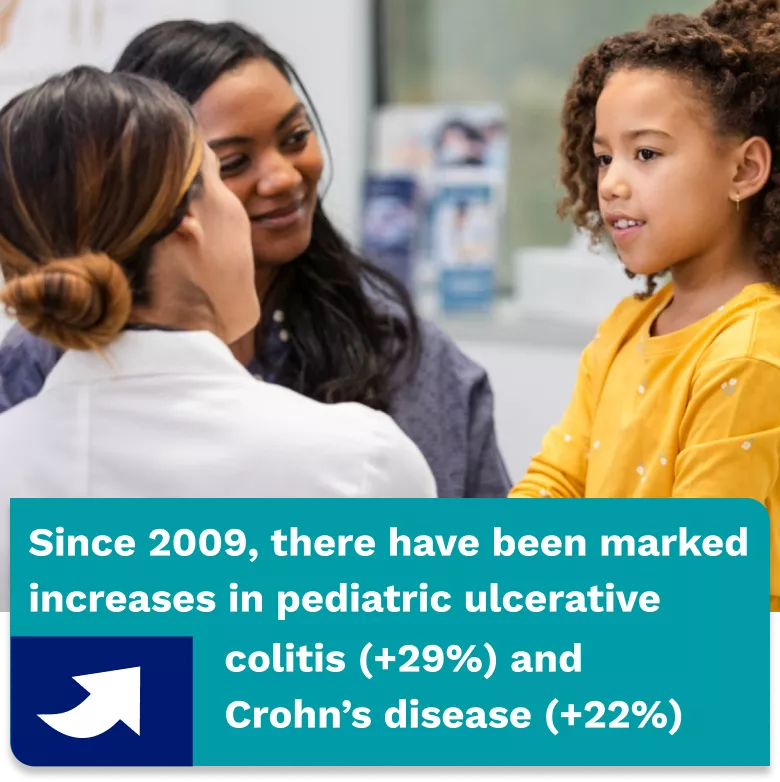
New study reveals over 100,000 affected youth in the U.S.
A landmark study in the journal Gastroenterology estimates that over 100,000 American children and adolescents under 20 are living with IBD. This research, a collaboration among the Crohn’s & Colitis Foundation, University of North Carolina, and University of Pennsylvania, shows the prevalence of pediatric IBD in the U.S. continues to increase and is among the highest worldwide.
Findings By The Numbers
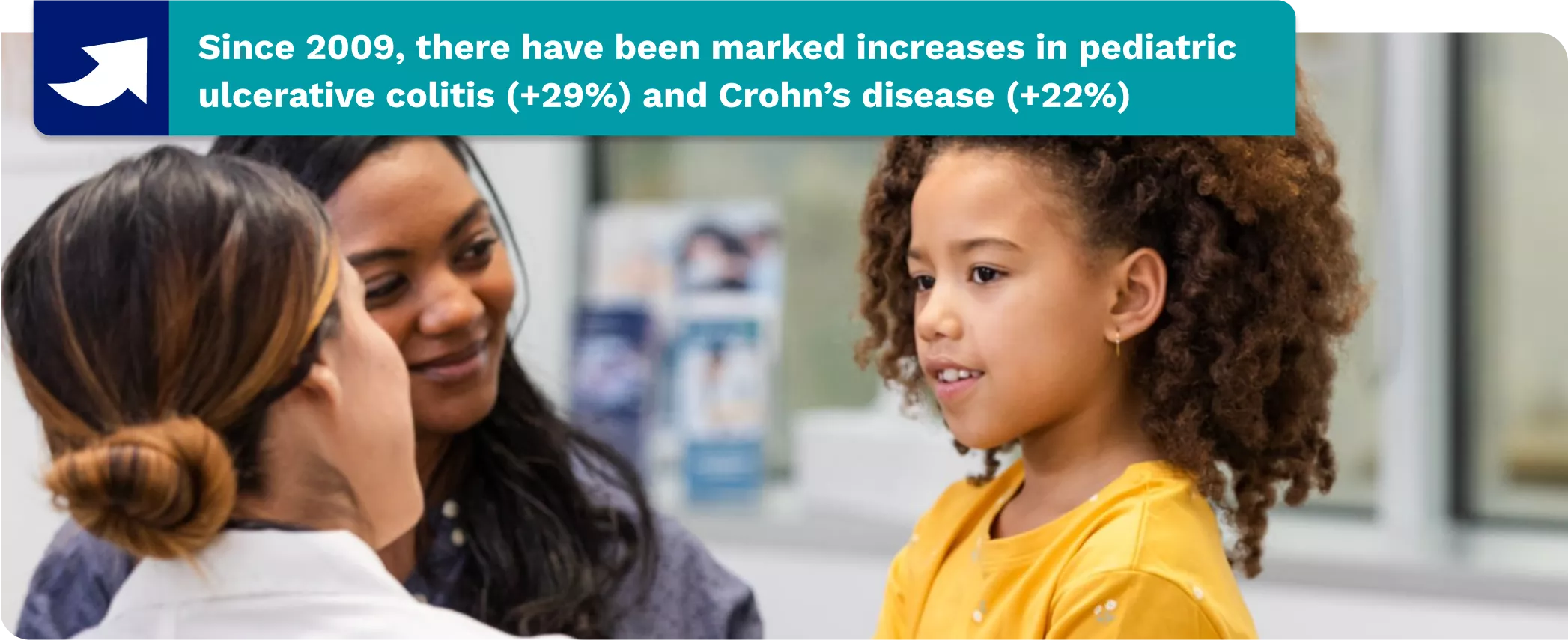
The study found a 22 percent increase in Crohn’s disease and a 29 percent rise in ulcerative colitis among children since 2009. However, the actual numbers may be higher as the study excluded people without commercial or state insurance.
Why The Study Matters
The study underscores the growing need for specialized care, better insurance coverage, and more research to address this rising health challenge.
“This comprehensive evaluation of pediatric IBD prevalence in the U.S. is an important step in understanding the full spectrum of the disease in our youth,” says Andrés Hurtado-Lorenzo, Ph.D., senior vice president of Translational Research and IBD Ventures at the Foundation. “These data are essential for healthcare professionals and policymakers to manage pediatric IBD and effectively improve outcomes for affected children.”
Research News & Announcements
Transforming IBD Treatment with AI and Precision Medicine

The Crohn’s & Colitis Foundation is investing in a Cleveland Clinic-founded company on a mission to transform IBD treatment. Mobius Care is developing an AI-powered digital pathology tool that analyzes gut tissue samples to predict patient responses to biologic therapies (including IL-23 inhibitors such as Skyrizi® and Tremfya®.).
This personalized approach could cut the frustrating trial-and-error process, leading to tailored treatments. By expanding its dataset with samples from the Foundation’s IBD Plexus research accelerator which houses the most comprehensive collection of IBD patient data and biosamples in the world, this investment promises to bring precision medicine closer to IBD patients — potentially improving remission rates, quality of life, lasting impact for people with IBD
Research Links Gut Bacteria to Crohn’s

IBD Plexus®, our research accelerator, houses the most comprehensive collection of IBD patient data and biosamples in the world. By connecting hundreds of researchers with the right data, expertise, technology, and support, we significantly accelerate innovation — reducing the time it takes to discover new treatments and advancing our journey toward cures.
Recent research has linked gut bacteria to IBD, particularly Crohn's disease. Using microbe genetic data from IBD Plexus, researchers found that certain bacteria in IBD patients produce specific fatty acid molecules that may contribute to the condition. These molecules were detected in stool samples and worsened symptoms in mouse models of colitis. This discovery suggests that gut bacteria molecules may play a role in IBD development, offering new insights into understanding and treating the disease.
PatientSupport
Crohn's and Colitis Congress 2025: Patients Report on the Future of IBD Care
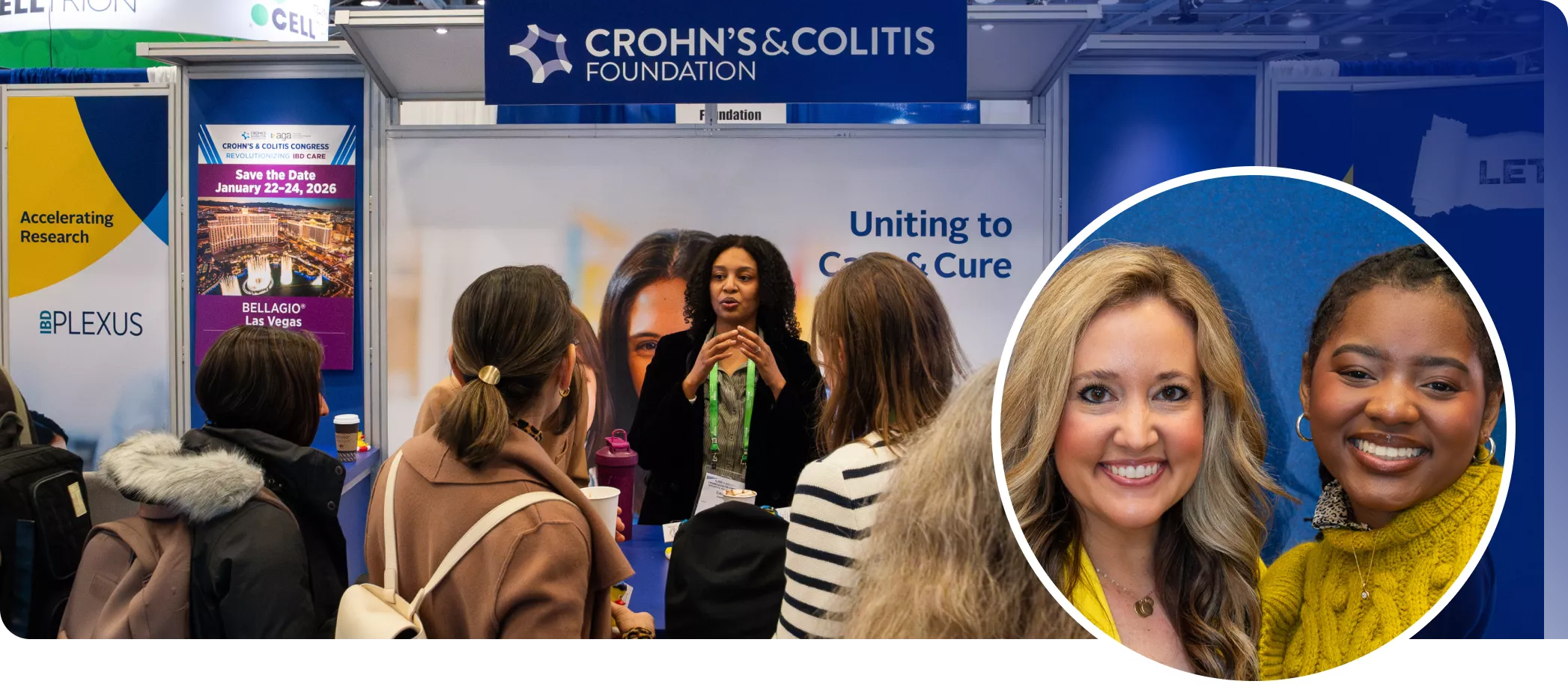

Congress praised for delivering info patients need most
Crohn’s & Colitis Congress is the Foundation’s annual scientific conference, bringing together top researchers, clinicians, and industry leaders to share the latest in IBD care. With the Foundation involved in 299 research projects last year alone, the challenge isn’t just making discoveries — it’s ensuring the IBD community can access and understand them. That’s where the Patient Reporters come in. Each year, two patients are selected by the Foundation and the American Gastroenterological Association to attend Congress and translate key findings into blogs, social media posts, and IBD Insider, a free webinar that aired on March 6.
Meet the 2025 Patient Reporters
This year’s Patient Reporters, Natalie Hayden — a former TV news anchor, Social Media Ambassador, and 20-year Crohn’s patient — and Kaylaa’ White, an NYU dramatic writing student and Communications Chair of the Foundation’s National Council of College Leaders, helped make complex research accessible to the IBD patient community.
“It’s imperative that patients have a presence at conferences like Congress,” says Hayden. “We can ask questions that may not be top of mind for providers and then bring the news back to fellow patients and caregivers because we know what research will resonate with those living our reality.”
With this year’s theme, “Revolutionizing IBD Care,” sessions covered game-changing innovations in treatment, technology, and patient support. Here's what stood out to this year's reporters.
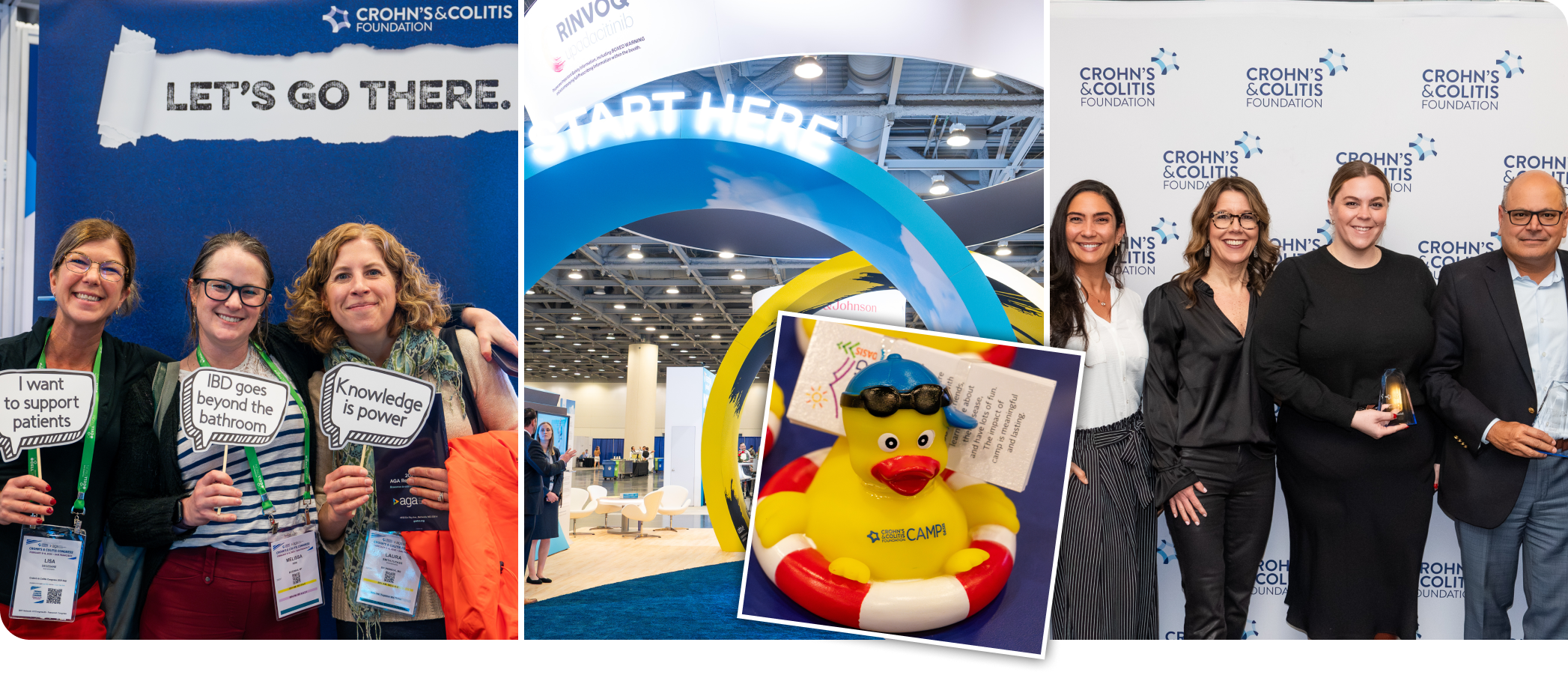
Key Insights for Patients and Caregivers
AI’s Expanding Role in IBD Care—AI scribe technology is gaining traction, allowing providers to focus on patient conversations while AI takes detailed notes. Another innovation, IBD Smart Note, lets patients input their health data, making it accessible for researchers worldwide and their care teams.
Non-Invasive Monitoring Improves Quality of Life—Intestinal ultrasound (IUS) is a bedside imaging tool that detects inflammation in real time and tracks disease changes within just two to three days. Easy to use, it’s becoming more accessible across the country.
A wearable sweat sensor is also in clinical trials and could help detect disease activity trends, giving doctors a real-time picture of a patient’s condition.
The Link Between Obesity and IBD—Obesity plays a larger role in IBD outcomes than many realize. Between 20-50 percent of IBD patients have obesity, which increases complications and reduces the effectiveness of biologics. GLP-1 receptor agonists (GLP-1 RAs) may be a safe treatment option but require close monitoring for GI side effects. Additionally, obesity is a major risk factor for j-pouch failure, with 52 percent of these patients needing hernia repairs after surgery.
Pregnancy and IBD
The Evolving Case in Pregnancy session delivered critical insights for patients planning a family, such as staying on medication through pregnancy being crucial, and understanding that IVF is just as effective for IBD patients as for those without it. The session also explained how the Foundation’s PIANO study is exploring how the placenta impacts IBD pregnancies.
Breakthrough Technology
Developed by Steve Axelrod and his daughter Lindsay (who has Crohn’s), the G-Tech Medical Gut Tracker is a wireless, patch-based system that tracks GI motility as patients go about daily life. A Stanford University study found that patients in flare had lower colon activity than those in remission or healthy controls. The research has already won awards.
Patient Impact
For Hayden and White, Congress was a reminder of the Foundation’s constant patient impact and the power of the IBD community. Says Hayden: “Congress is a time for collaboration and connection, and for us as patients to see the hope that remains despite a diagnosis and a disease journey that can often feel like an uphill climb."
Non-Invasive Intestinal Ultrasound as an Alternative to Colonoscopies
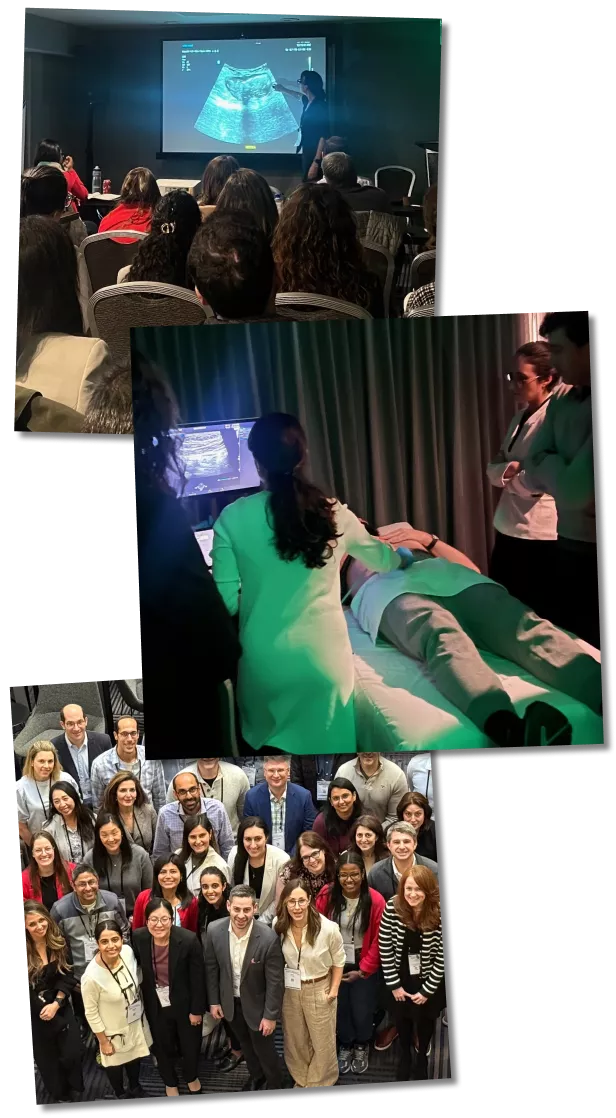
Congress expands the network of experts learning this cutting-edge technology.
Imagine having a simple, painless ultrasound right in your doctor’s office that provides instant insights into your gut health without the sedation, fasting, or bowel preparation required for a colonoscopy.
Intestinal ultrasound (IUS) is a groundbreaking tool transforming the diagnosis and management of Crohn’s disease and ulcerative colitis. While traditional ultrasound has been a staple in medical imaging, U.S. gastroenterologists only began using IUS in 2019. For people with IBD, IUS can offer an efficient way to detect and track inflammation through a more convenient and comfortable procedure.
At this year's Congress, the Foundation partnered with the International Bowel Ultrasound Group (IBUS) and the AGA to train 35 U.S. and Canadian gastroenterologists in IUS, increasing access to this game-changing technology and advancing patient-centered IBD care. Led by Michael Dolinger, MD, one of the first U.S. gastroenterologists trained in this technique and who has led international efforts to train physicians in IUS, Dolinger credits IUS for providing patients and providers with "accurate, real-time information that fosters shared understanding during the clinic visit for managing IBD."
“Learning IUS has changed my life," says Dolinger, director of Pediatric Inflammatory Bowel Disease and assistant professor of Pediatrics at the NYU Grossman School of Medicine. "I have seen firsthand how a simple, non-invasive imaging technique has changed the lives of children and adults with inflammatory bowel disease.”
VOICES OF IBD

“The Foundation gave me so much when I was at my lowest. I constantly feel so great when I can give back.”
At just 21, Kaylaa’ White has already turned her IBD journey into a force for change. Diagnosed with ulcerative colitis at 17 and now living with Crohn’s disease and a permanent ileostomy, she’s a dedicated advocate for diversity in the IBD community. A member of the Foundation’s National Council of College Leaders, a patient reporter at this year’s Congress, and this year’s Take Steps (Richmond) Honored Hero, Kaylaa’ uses her platform to amplify underrepresented voices.
New Resources for People with IBD
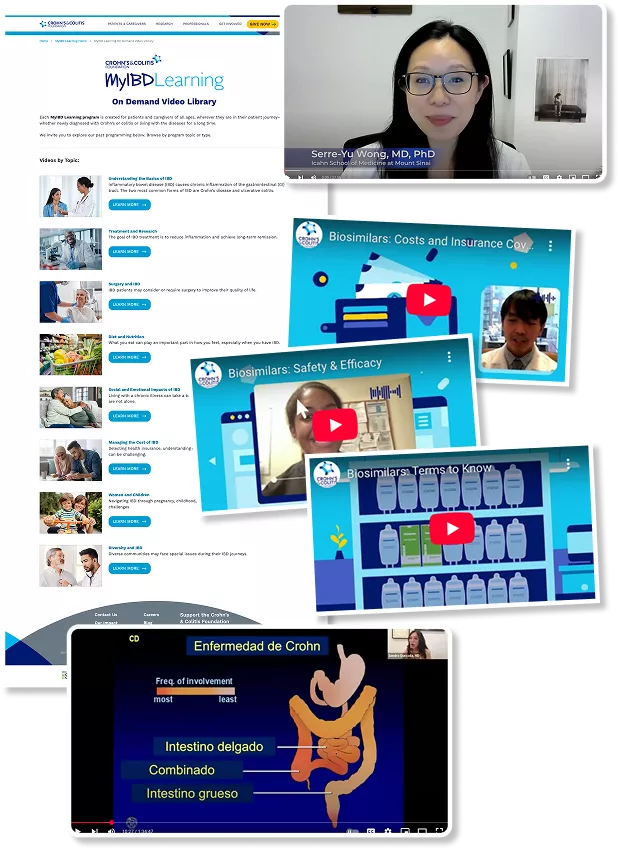
We continue to expand our educational materials to include the latest information on IBD:
Biosimilars: A new video series explains what biosimilars are, how they work, and what patients should know when considering these treatment options.
Fistulizing Crohn’s Disease: A new video called Wound Care for Perianal Fistulizing Crohn’s Disease provides essential guidance for patients managing this complex condition. This resource was generously supported by Bonnie and Andrew Stern.
2024 MyIBD Learning Webinars: Our growing library of on-demand webinars found here covers a range of IBD topics, allowing patients to access expert-led education anytime.
Spanish-Language YouTube Resources: HoraDeComunidad@EnCasa offers patient and caregiver education tailored for Hispanic/Latino communities. Also, Información sobre EII provides essential information about living with IBD in Spanish.
IBDAWARENESS

Featured Spot Celebrates Our Courage and Care
We’re so proud that the Foundation’s mission was featured on Everyday Heroes, which runs on CBS and other networks across the country. Watch as our impact captured the spotlight and was spread across screens nationwide.
LET’S GO THERE WITH SAXL ROSE
“Crohn's and colitis are not one-size-fits-all conditions.”
Saxophonist, songwriter, and producer Saxl Rose joined us during Crohn’s & Colitis Awareness Week to share his powerful story of living with IBD. By breaking the stigma and expressing hope for the future, he's inspiring change for our community.
Congratulations to All of the Clarivate Highly Cited Researchers
Each honoree authored multiple papers that rank in the top 1 percent by citations in their field of study.
Ashwin Ananthakrishnan
Harvard University
Randy S. Longman
Cornell University
David Artis
Cornell University
Timothy K. Lu
Massachusetts Institute of Technology (MIT)
Jean-Frederic Colombel
Icahn School of Medicine at Mount Sinai
Dermot P.B. McGovern
Cedars-Sinai Medical Center
Pieter C. Dorrestein
University of California, San Diego
Long H. Nguyen
Harvard University
Jeremiah J. Faith
Icahn School of Medicine at Mount Sinai
Bruce E. Sands
Icahn School of Medicine at Mount Sinai
Wendy Garrett
Harvard University
William J. Sandbor
University of California, San Diego
Jeffrey I. Gordon
Washington University
Thaddeus Stappenbeck
Washington University in St. Louis
Curtis Huttenhower
Harvard University
Harry Sokol
Sorbonne Université
Nobuhiko Kamada
University of Michigan
Gary D. Wu
University of Pennsylvania
James D. Lewis
University of Pennsylvania
Ramnik Xavier
Broad Institute

With Gratitude To All Of Our Supporters!
Many wonderful individuals and foundations have made important and significant contributions to the Crohn’s & Colitis Foundation in support of our mission programs. We are deeply grateful to them for their extraordinarily generous gifts.

Financials
The money the Foundation spends goes toward research, education, and support services.

Impact Report Archive
Follow the Foundation’s advancements in the IBD space.