

The Path to Breakthroughs
The Crohn’s & Colitis Foundation has played a role in every major breakthrough in IBD research–pioneering discoveries in genetics, the microbiome, diagnostics, and biologic therapies. We are proud to be the driving force in the development of next-generation treatments and personalized medicine for IBD.
We bring together leading scientists and world-class medical centers from around the globe to advance the most promising IBD research that addresses patients’ needs and transforms the future for the millions of people living with Crohn’s disease and ulcerative colitis.
- 2020s
- 2010s
- 1960s–2000s
Precision Medicine & Therapeutic Innovation
Unlocking the path to personalized and innovative treatments for each and every person living with Crohn’s and ulcerative colitis.


Global IBD Registry (GLIDE) Launched
The Foundation and an international consortium of leading IBD researchers launched the Global IBD Registry (GLIDE) to link patient data from diverse countries and healthcare systems and advance IBD research worldwide.

IBD Ventures Drives Clinical Progress
Eight promising research projects supported by IBD Ventures are now in clinical trials, focusing on new ways to treat inflammation, fibrosis, and damage to the intestinal wall.

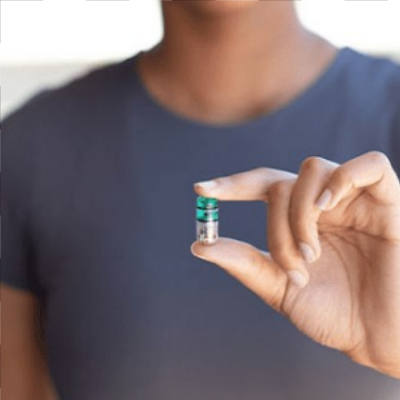
Wearable Device Tracks IBD Flares in Real Time
Calprotectin, a key inflammation marker, is measured in IBD patients’ sweat in real time via a wearable device, made possible through Foundation research programs including the Novel Technologies Initiative and IBD Ventures, bringing us closer to non-invasive ways for people with IBD to monitor their health.

First AI-based Collaborative for Antifibrotic Drug Discovery
Foundation’s IBD Therapeutics Incubator collaborated with Evotec to use Artificial Intelligence to accelerate the discovery of novel antifibrotic drug candidates.

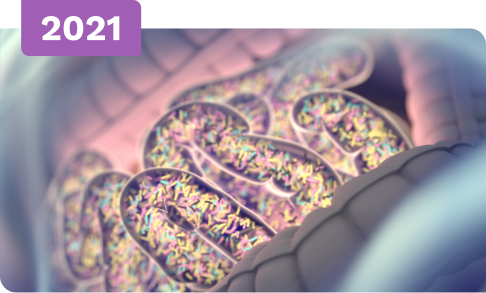
Microbiome Initiative Discovery on Processed Foods
Foundation-supported research finds that yeast found in some processed foods (Debaryomyces hansenii) impairs mucosal healing in Crohn’s disease, highlighting the gut mycobiome as a new treatment target.

Identified "Fecal Urgency" as a Critical Sign of Gut Inflammation
Landmark study demonstrates that the understudied symptom of “fecal urgency” is highly prevalent in people with Crohn’s disease and ulcerative colitis and is strongly associated with active disease, intestinal inflammation, and reduced well-being.

Chronic Abdominal Pain in IBD Initiative
Research focuses on identifying biomarkers and developing personalized therapeutics to manage chronic abdominal pain in IBD.
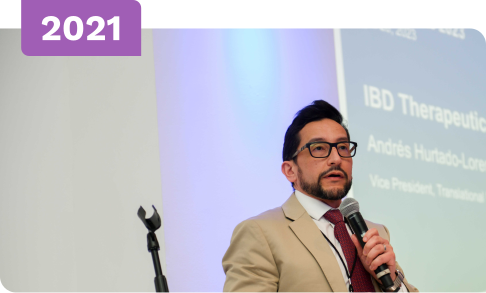
First Therapeutics Incubator Discovery
Discovered a new drug that targets the PAI-1 protein specifically in the gut. By blocking this protein, the drug helps restore and protect the lining of the intestines.
Focus on Biomarkers and Targeted Therapies
Finding answers in genetics, the environment, and new technologies to improve patient care and quality of life.
Launch of the Precision Nutrition Initiative
Launched this research initiative to match patients with dietary interventions tailored to their individual needs and responses.

Identification of Key Genes that Regulate the Gut
Researchers identify PAI1 and C1orf106 as key genes that maintain the intestinal barrier, guiding new strategies to prevent inflammation and repair tissue.

First AI-Based Collaborative for Biomarker Discovery
Collaboration with Genedata to use Artificial Intelligence to identify biomarkers of IBD disease progression and treatment response.
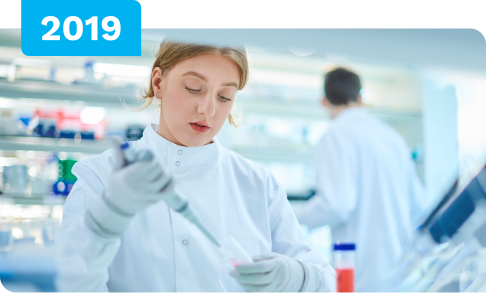
New IBD Therapeutics Incubator
Dedicated research effort, led by Foundation staff scientists, to discover novel drugs targeting relevant disease pathways discovered in academic labs.

Launch of the Novel Technologies Initiative
Research focused on new technologies to understand, manage, and treat IBD develops the first-ever wearable biosensor device capable of measuring biomarkers of inflammation in sweat in real time.

Launch of the Fibrosis in IBD Initiative
Researchers create the first lab-grown mini-intestines from stem cells that mimic scarring in the gut, making it possible to test and develop new treatments to prevent or reduce this damage.

Launch of IBD Venture Philanthropy Program (IBD Ventures)
First request for proposals within the IBD Ventures program, making significant investments in biotech start-up companies to accelerate the development of novel products, therapies, and digital health solutions for IBD patients.

Launch of the Environmental Triggers in IBD Initiative
Research focused on how environmental triggers, such as psychological stress, diet and viruses, affect the onset and progression of IBD.

Groundbreaking Findings of the Pediatric RISK Study
Study reveals risk of fibrotic and fistulizing complications that require surgery in children newly diagnosed with Crohn’s disease.


First Major Dietary Study for People with Crohn’s Disease
Breakthrough national diet and nutrition study (DINE-CD Study), completed in 2021, demonstrates that Specific Carbohydrate and Mediterranean diets significantly improved adult Crohn’s symptoms.


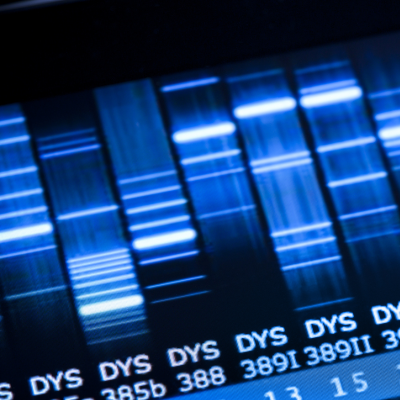
First Genetic Defect Linked to Very Early Onset IBD (VEO-IBD)
Researchers confirmed that VEO-IBD can result from a change in just one gene when they found that mutation changes in the interleukin-10 (IL-10) receptors genes stop the body’s ability to properly control inflammation.
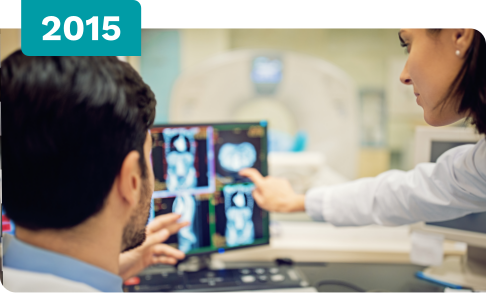
Launch of IBD Plexus
IBD Plexus®, our research accelerator, houses the most comprehensive collection of IBD patient data and biosamples in the world.

Doctors United to Improve Patient Care
Launched IBD Qorus®, a national collaboration of GI practices that work together to share best practices to improve the quality of care for people with Crohn’s disease and ulcerative colitis.

Partnered with Patients to Advance IBD Research
Launched IBD Partners to engage patients in research to study the course of Crohn’s and colitis and their impact on everyday life. Insights have fueled studies on diet, urgency, pregnancy, and sleep.
Launched IBD Genetics Initiative
Since its launch, funding has contributed to the identification of 200+ genetic risk variants linked to Crohn’s disease and ulcerative colitis.

Launching an Era of Discovery
Advancing our knowledge of what causes IBD, including the roles of the immune system, body tissues, and inherited risk factors.

Largest Pediatric IBD Study
First and most comprehensive pediatric study (RISK) to predict the risk of developing complications in kids with Crohn’s disease.

The Microbiome Initiative
First large-scale effort to identify, analyze, and understand the role of gut microbes in IBD.

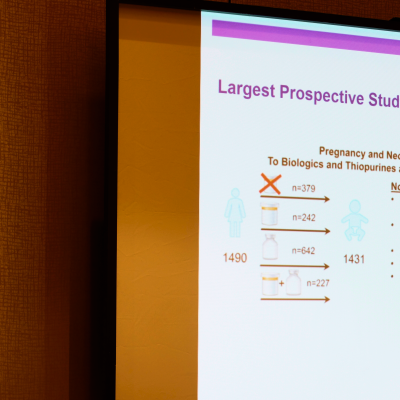
Focus on Pregnancy and Neonatal Outcomes for IBD
Foundation launched the largest prospective study of biologic safety in pregnancy for women with IBD (PIANO: Pregnancy Inflammatory Bowel Disease and Neonatal Outcomes) as well as short- and long-term outcomes of children from in utero to age 18.
Discovery of First Crohn’s Gene
Identified NOD2, the first gene ever linked to Crohn's disease, marking a foundational breakthrough in understanding the genetic drivers of IBD.
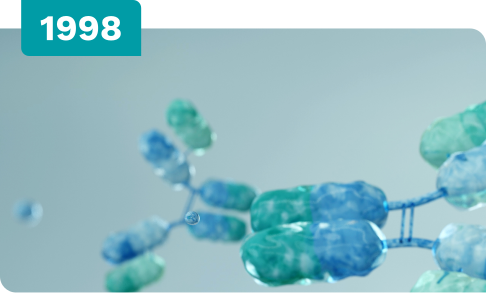
Discovery of Biologic Therapies
Foundation supports research on antibodies to the inflammatory protein TNF-alpha, leading to breakthrough anti-TNF biologic drugs for IBD (e.g., infliximab, adalimumab), revolutionizing treatment for Crohn’s disease and ulcerative colitis.

Launch of Genetics-Focused Research
Foundation investment in IBD genetics uncovered key immune pathways driving Crohn’s disease and ulcerative colitis.

Setting Our Research Priorities
Foundation convened experts to identify research priorities to guide its grant funding (Challenges in IBD Research). The Foundation continues to update a strategic research roadmap every five years.
Setting the Stage for Discovering Biologics
Foundation research discovered the importance of the inflammatory protein TNF-alpha and its role in IBD.

Exploring Diet and its Link to IBD
First study supported by the Foundation focused on the role of diet and nutrition in IBD.

First Research Award
Foundation awards its first research grant to further scientific understanding of IBD.
Our Founding
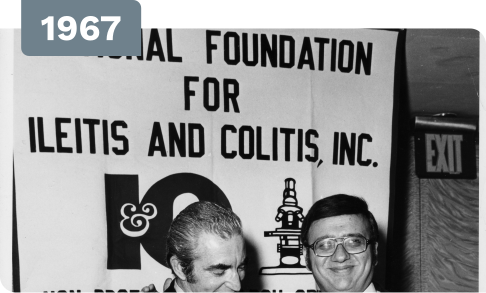
Irwin M. and Suzanne Rosenthal, William D. and Shelby Modell, and Henry D. Janowitz, M.D. founded the National Foundation for Ileitis and Colitis, now known as the Crohn’s & Colitis Foundation.
- 2020s
- 2010s
- 1960s–2000s
Our Research in Action
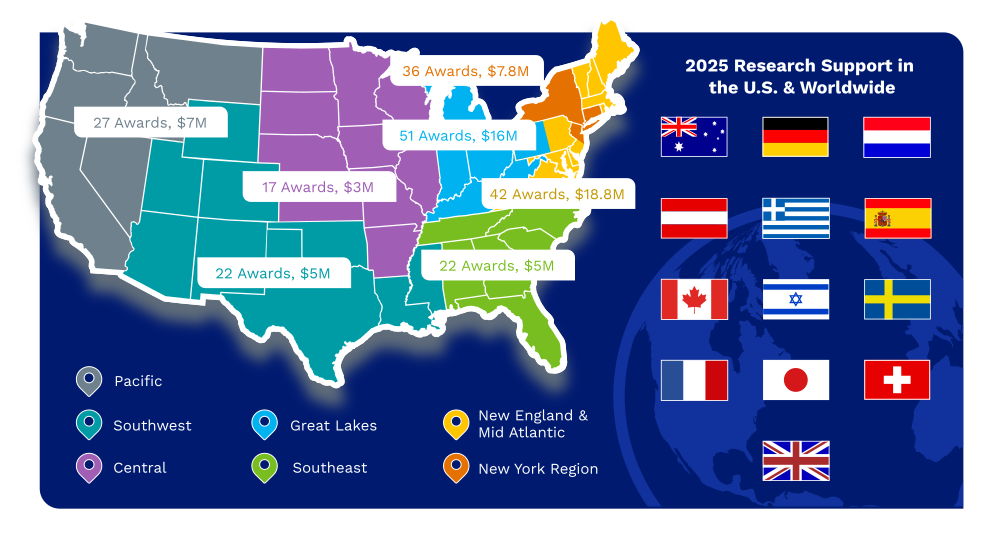
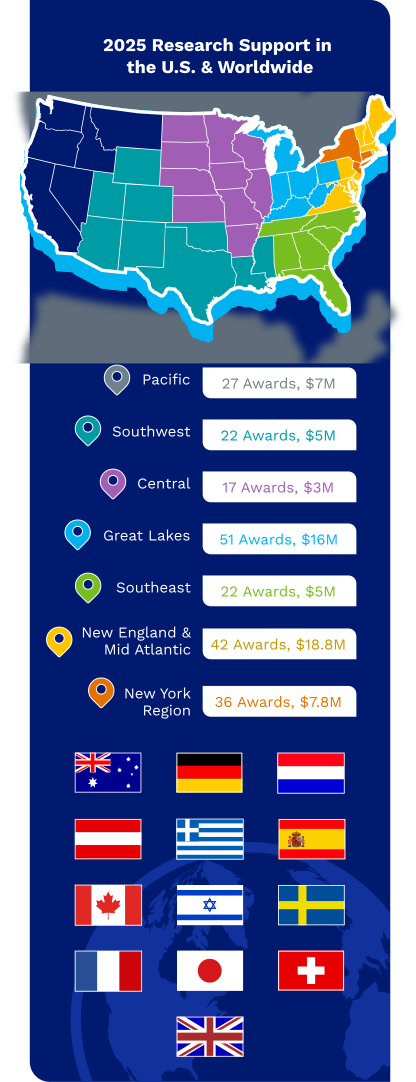
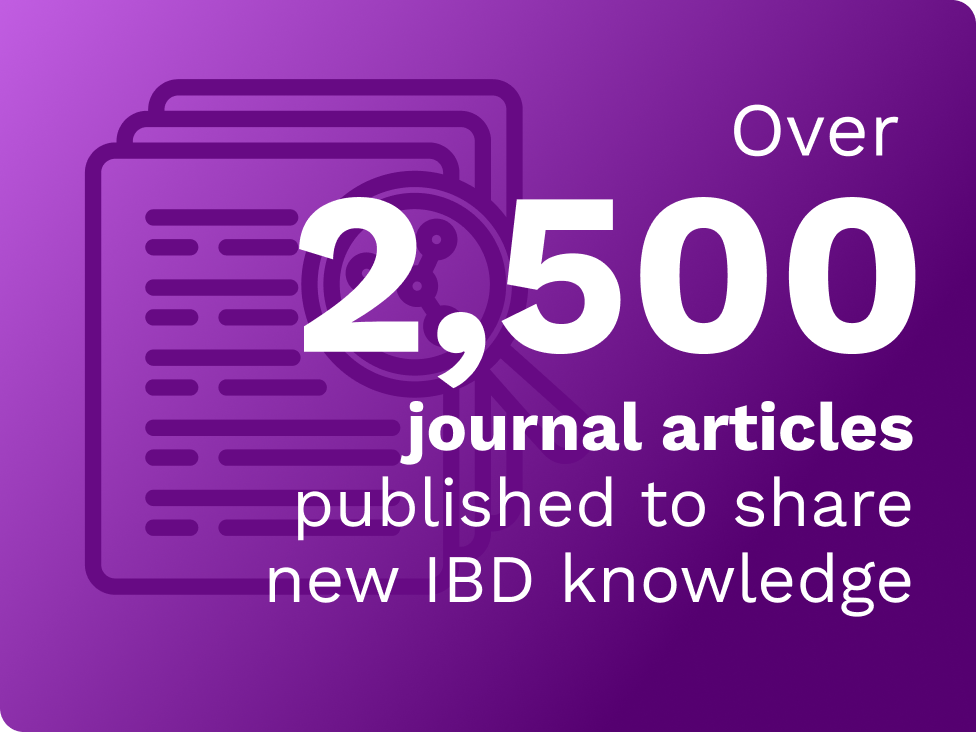
The Crohn’s & Colitis Foundation has invested over $500 million in more than 2,500 research projects since 1967. As of January 2026, the Foundation is supporting...

researchers

projects

hospitals worldwide
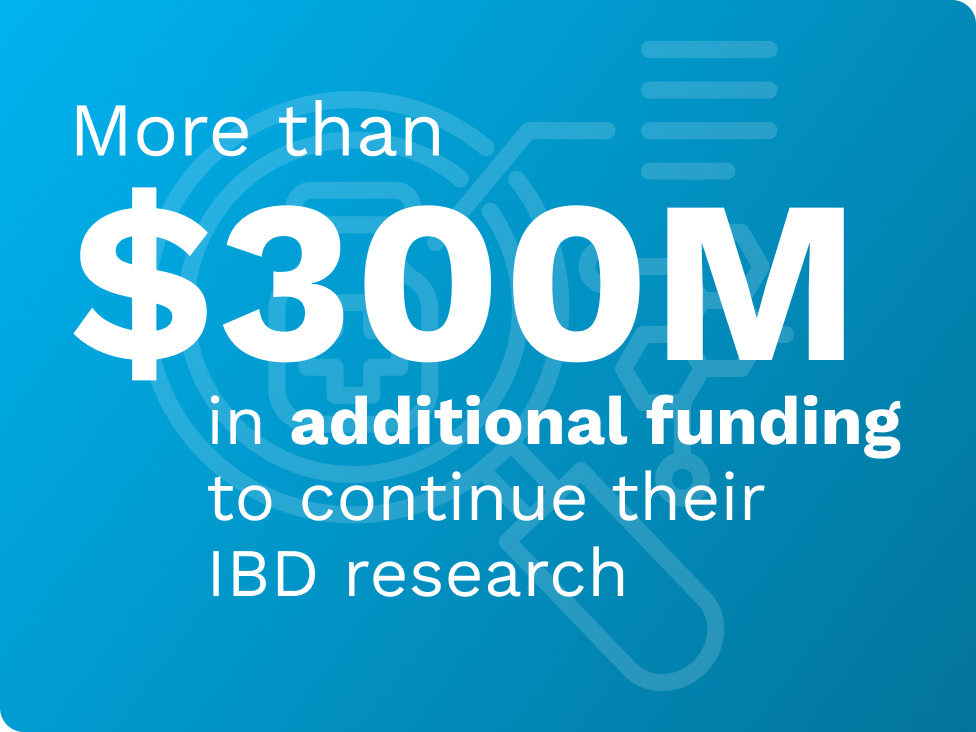
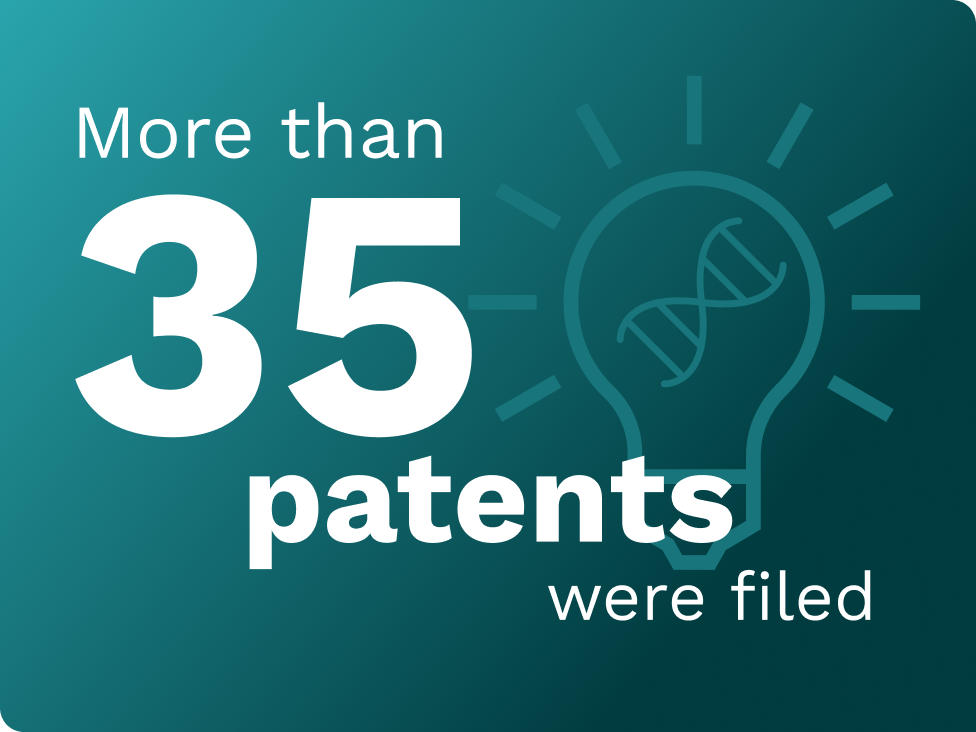
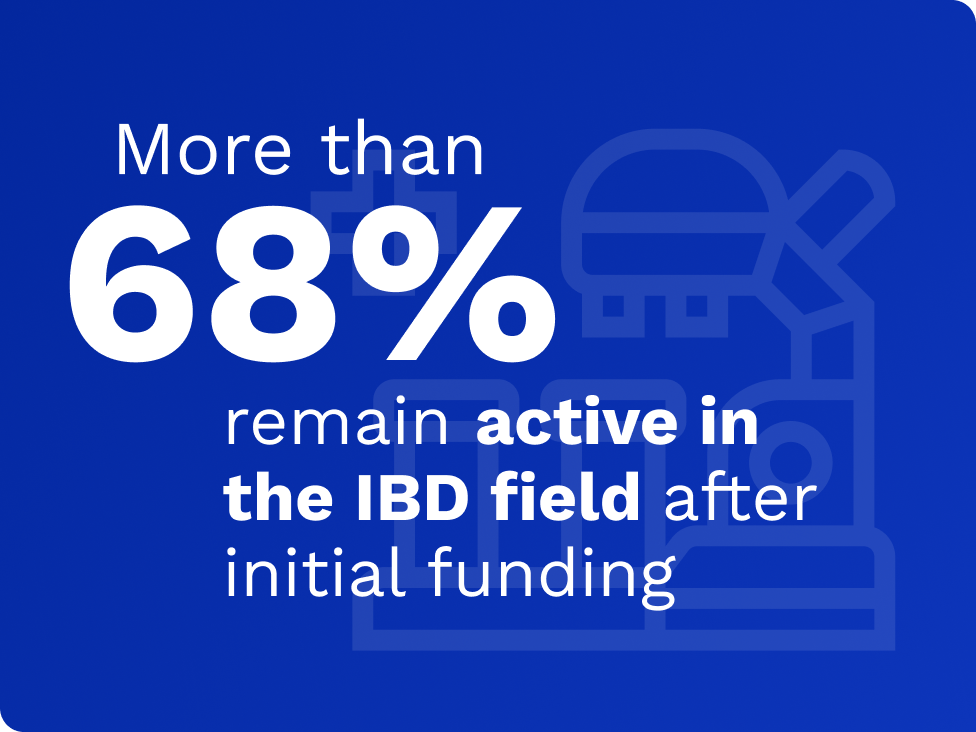
We recognize that research takes time and that funding alone isn’t enough to drive scientific breakthroughs. Alongside our grants, we provide essential resources like access to our IBD Plexus® research accelerator and tailored networking opportunities to accelerate discovery and support the growth of IBD researchers. We are proud to share that of the grants we’ve funded in the last 25 years*:
Building Global Partnerships for Breakthroughs in IBD
The Foundation unites top scientists, industry leaders, academic centers, healthcare professionals, and patients from around the world to focus on the most promising research with the greatest potential to improve patient health and advance new directions in IBD research.