



Advancing DEI Within the IBD Community
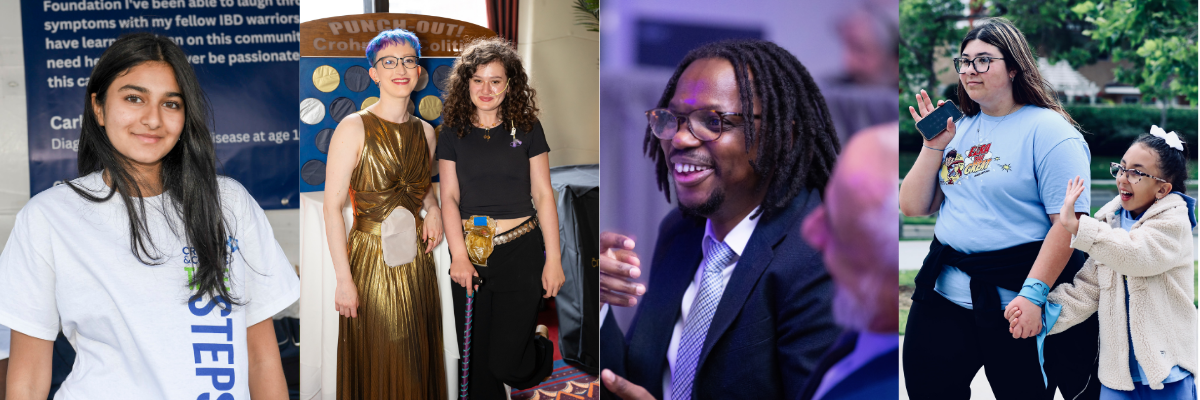
For the general population, it’s challenging to reach an early and accurate diagnosis of inflammatory bowel disease (IBD). This is only amplified for underserved communities, where they are more likely to have less support, remain undiagnosed for longer, and experience worse outcomes. To help combat this health equity issue, we have created the following programs and resources that provide individualized support for many communities, with the intention of expanding our current reach to serve all people affected by IBD.
“At the Crohn’s & Colitis Foundation, we are intentional about making sure our digital resources reflect the diverse voices and experiences of patients and caregivers, and why our support programs are designed to meet people where they are. This work is deeply meaningful to me, because it ensures that every person impacted by IBD sees themselves in our mission and knows that they belong.” Catherine Soto, MPA - Associate Vice President, Patient Education & Support |
- Partnering With the Community, For the Community
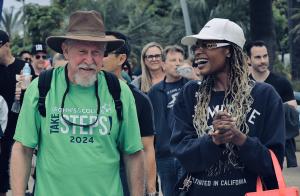
To ensure authenticity, relevance, and accuracy, we intentionally collaborate with volunteers and healthcare professionals from the specific communities we serve.
- DEI Patient and Caregiver Advisory Committee - assists in developing and reviewing programs and resources put together by the Foundation for our Education, Support & Advocacy efforts
- LGBTQIA+ Taskforce – helps shape how we are initiating outreach to and oversees what materials will be developed for this community at large
- National Scientific Advisory Committee’s (NSAC) Diversity and Inclusion Subcommittee - advises on incorporating inclusive practices, increasing diverse representation, and fostering relationships with external organizations to advance this work
- Local Chapter Committees - key volunteers within regions that help guide where and how to best reach their community locally.
- MyIBD Connections Education Programs
We recognize that patients who are part of underserved communities are more likely to have less support, remain undiagnosed for longer, and experience worse outcomes. That is why we have created programs that provide individualized support for many communities, with the intention of expanding to serve all people affected by IBD.
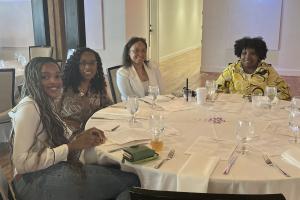
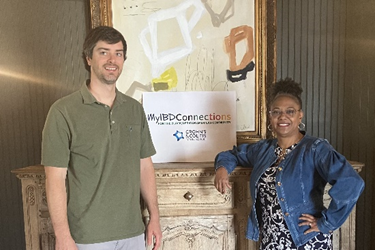
We are excited to share that our Morning of Culture/Community programs are now MyIBD Connections for the Black/African American, Hispanic/Latino, and LGBTQIA+ communities. The name is new, but the mission remains the same—to inform, empower, and educate patients, caregivers, and families from communities that experience IBD differently in terms of diagnosis, symptoms, and access to care and treatments.
MyIBD Connections in-person sessions and dedicated webinars bring customized, relevant information, helpful resources, and a community of support to everyone living with IBD.
Upcoming education programs:

In-Person:
- March 2026: Orange County, CA
- April 2026: Chicago, IL
- August 2026: Dallas, TX
- September 2026: Tampa, FL
Webinars:
- October 13, 2026 - registration link coming soon
In-Person:
- April 2026: Detroit, MI
- May 2026: Birmingham, AL
- August 2026: Dallas, TX
- September 2026: Cleveland, OH
- November 2026: Atlanta, GA
 Webinars:
Coming soon: 2026 educational programming that champions inclusive care for all!
Visit the MyIBD Learning page for program updates and registration information, coming soon! Questions about MyIBD Connections? Please contact Caneka McNeil Moore, Ed.D., Associate VP, Education & Diversity Engagement
- Resources for Underrepresented Communities
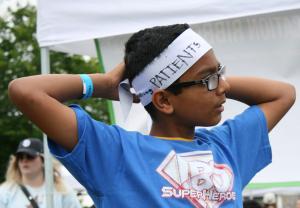
The following are dedicated resources created to support the specific needs of underrepresented communities. We encourage you to share these broadly and provide us with your feedback:
- Resources by Community:
- Black/African American community – our IBD fact sheet highlights how these patients are impacted differently and the role racial disparities play
- Hispanic/Latino community – Visit our Spanish-language website and access numerous Spanish-translated patient materials through the dropdown on our Educational Brochures webpage
- Older Adults - Older adults (ages 60+) are now the fastest-growing group of people living with IBD, and face unique challenges in managing their disease.
- Parents, Kids, and Teens – Children and adolescents have differing needs with their disease depending on their stage of life, and the same can be true of their parents as well.
- Veterans - Veterans may have questions, need help navigating healthcare options, or want to connect with other veterans with IBD.
- Women - Women with IBD may need to take their disease into consideration when making choices about puberty, intimacy, and pregnancy.
- Mental & Emotional Well-Being - Living with a chronic, and often painful, illness can take a toll on your mental health and emotional well-being.
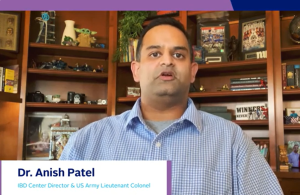
- Facebook Support Groups specifically for patients who identify with the following:
- Gay/Bisexual men
- Lesbian/Bisexual women
- Hispanic/Latino Community
- Black/African American Community
- Veterans
- Perianal Fistulizing Disease
- J-pouch
- Virtual IBD Support Groups Meetings for the following:
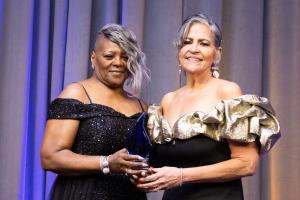
- Resources by Community:
- IBD Together - Expanding Our Chapters’ Reach
IBD Together is a program dedicated to expanding our Chapters’ connections with patients and caregivers, specifically within underserved communities. IBD Together provides each Chapter with an individualized approach to help them be more accessible to more patients and caregivers. To do so authentically, we partner with key volunteers and healthcare professionals to guide our efforts, with the goal of creating a space for patients and caregivers to connect with others in their community.
Click here to get in touch and learn more about your local Chapter.
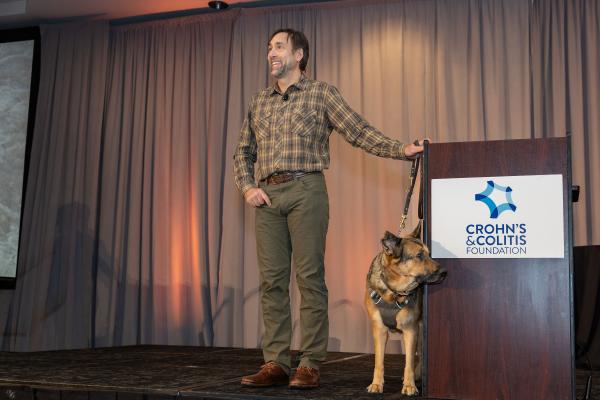
- Inclusion & Belonging at Camp Oasis

Camp Oasis is the Foundation’s summer camp for children and young adults with IBD. Camp Oasis is offered both virtually and at multiple locations throughout the U.S. Our research shows that Camp Oasis has a lasting and positive impact on campers - helping position them to better manage their IBD and live their best lives. We have implemented the initiatives below to foster an inclusive environment where all campers can feel a strong sense of belonging:
- Cultural Competency Training for Volunteers: To help ensure all campers are met with a safe and supportive environment, the Foundation offers cultural competency training for all Camp Oasis volunteers and support staff. Topics include diversity, inclusion, microaggressions, unconscious bias, gender identity, and more.
- Camp Scholarships: The National Camp Attendance Scholarship & Travel Stipend Program was created so no child would be turned away from camp for financial reasons. We’re proud to say that thanks to our generous donors, we have never turned down a request for assistance.
- Supporting Gender Nonconforming Campers: Support plans are developed in collaboration with all campers who identify as gender nonconforming and their parents to ensure their needs are understood prior to camp.
- Research to Help Enhancing Black/African American IBD Care
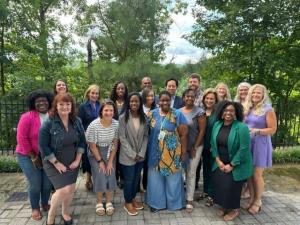
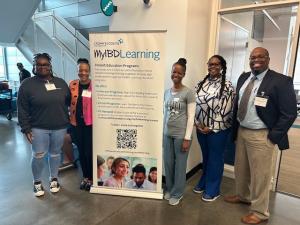
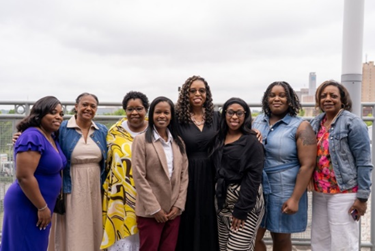
Foundation’s grant team leaders and their local community advisory committee meet in Birmingham to discuss ongoing grant efforts.
In collaboration with the University of Alabama at Birmingham (UAB), we are working on a five-year project aimed at identifying and addressing barriers to medical diagnosis and care of the Black/African American Community in Birmingham, AL.
In 2024, a Multidisciplinary Advisory Committee was formed to guide and advance the work in Birmingham. The committee is comprised of 10 members which includes patients, caregivers, community leaders and healthcare professionals. The committee meets on a regular basis and assists in guiding and supporting awareness and educational efforts in the Birmingham area. For more information about the work taking place in Birmingham, click here.Thank you to the Center for Disease Control and Prevention for providing the grant that is supporting this work.
- Accelerating Enrollment in IBD Clinical Trials
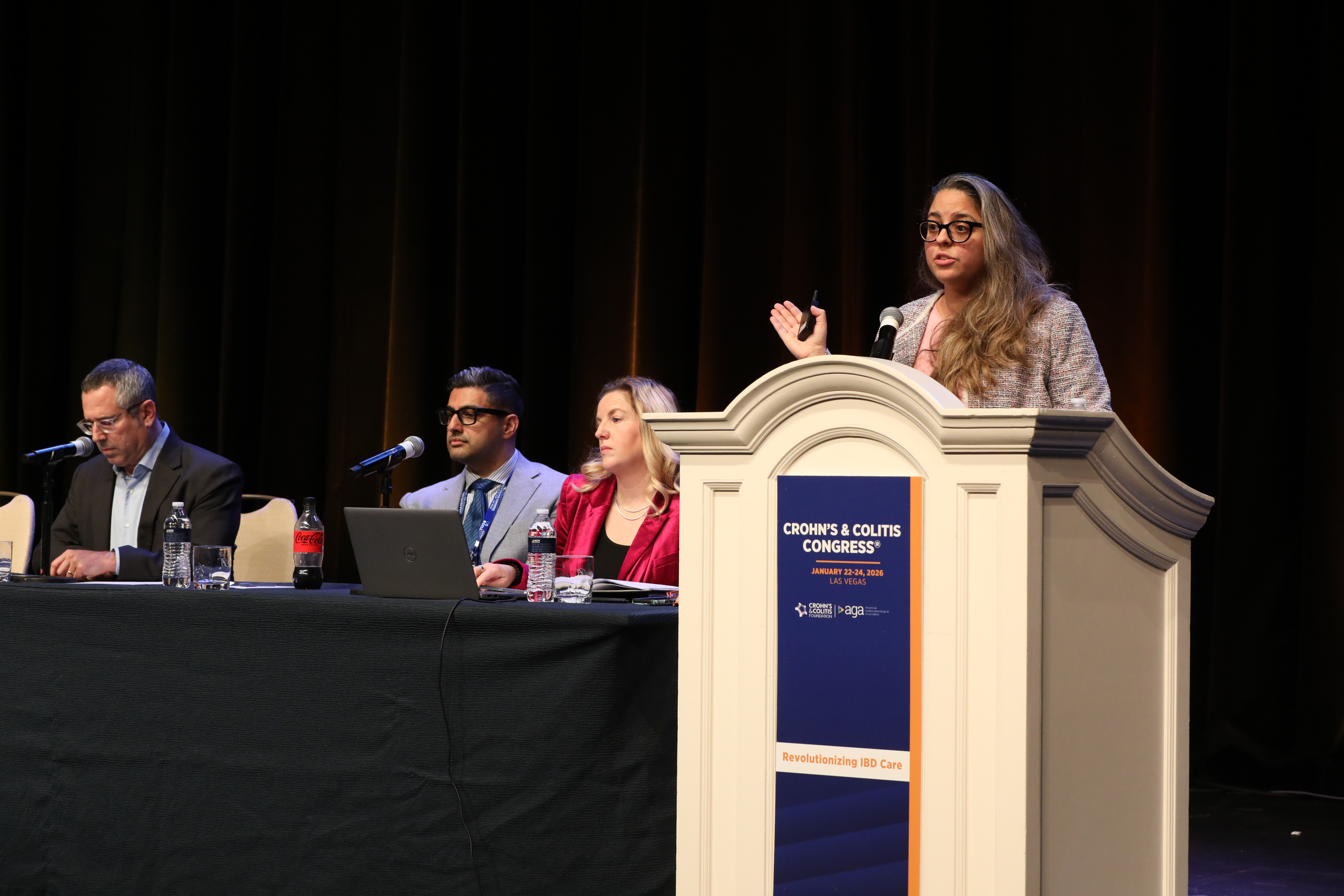 The Foundation is underway with a three-year initiative that aims to improve the recruitment and retention of patients in IBD clinical trials. This includes exploring and addressing barriers to enrollment of diverse populations, initially focusing on Black/African American and Hispanic/Latino patients and developing best practices to enhance engagement through inclusion. We're thankful for the generous grant from The Leona M. and Harry B. Helmsley Charitable Trust that is funding this work.
If you are interested in contributing or partnering with us on our DEI efforts, please contact our Senior Director of Diversity, Equity and Inclusion, Sarah Lewis or Associate VP, Education & Diversity Engagement Caneka McNeil Moore.
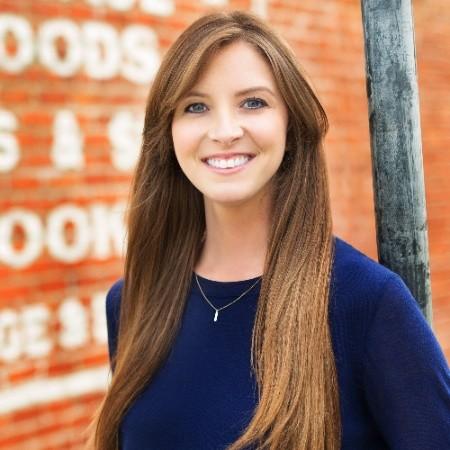
Sarah Lewis, Senior Director, Diversity, Equity & Inclusion | 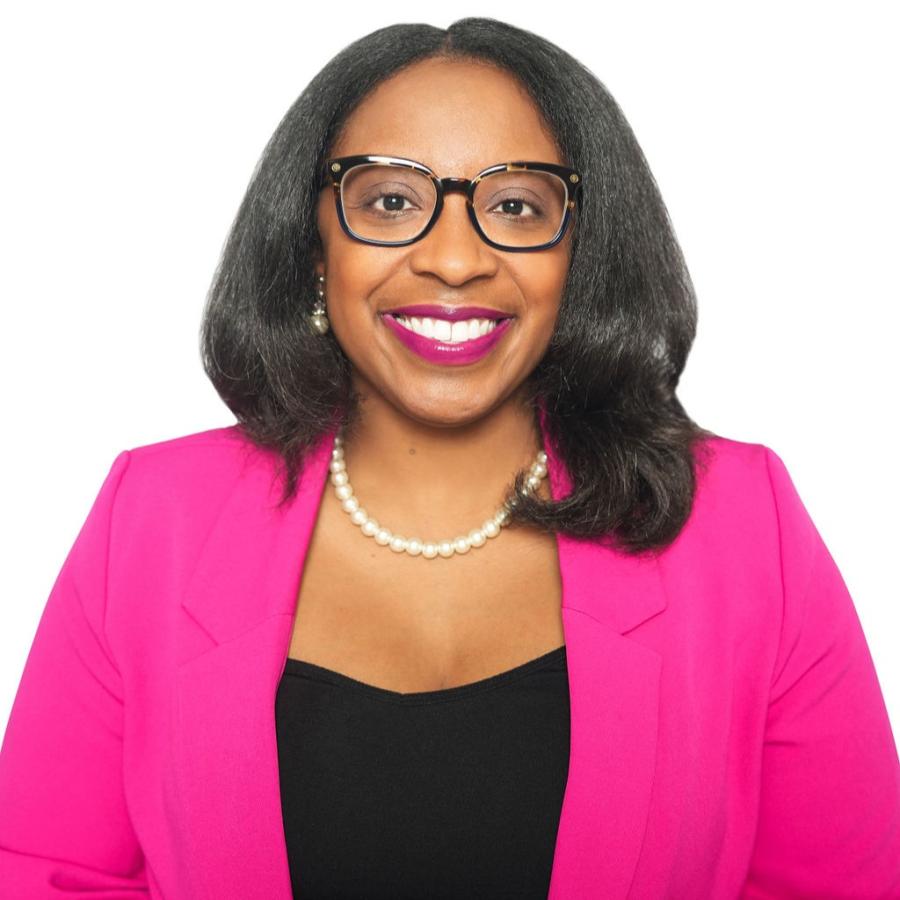
Caneka McNeil Moore, Ed.D., Associate VP of Education & Diversity Engagement |

The Community Engagement initiative is generously supported, in part, by the following partners:

| 
| 
|
The Foundation is also happy to be partnering with: