





What is complementary medicine?
Complementary medicine includes a variety of therapies that may be used alongside standard medical treatment. If you have Crohn’s disease or ulcerative colitis, you may wonder whether these approaches can help manage symptoms or improve your overall well-being.
Research on complementary medicine for IBD is still evolving. However, complementary medicine is not a cure for IBD and should never replace your prescribed treatment. Talk with your healthcare team before trying any complementary therapy.
Explore the resources below to learn more about complementary therapies commonly used by people living with IBD.


Explore Complementary Medicine
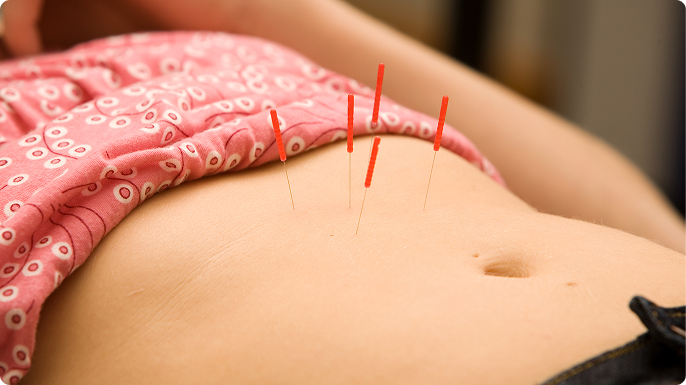
Caring for your mind and body
Living with Crohn’s disease or ulcerative colitis can affect more than your physical health. Mind-body therapies focus on the connection between your body, thoughts, emotions, and behaviors, and may help support stress management, relaxation, and overall well-being.
Common mind-body approaches include mindfulness and relaxation techniques, yoga, exercise, hypnosis, acupuncture, and support-based therapies. Talk with your healthcare team about whether a mind-body therapy may be a helpful addition to your IBD care plan.

Supporting your health with the right nutrients
Many people with Crohn’s disease and ulcerative colitis explore supplements to support their health, manage symptoms, or address nutrient deficiencies. While some supplements may be helpful in certain situations, others may not provide benefits and could interact with your medications or affect your health.
Before starting any supplement, talk with your healthcare team. Your doctor or dietitian can help you understand whether a supplement is appropriate for you, how it may fit into your treatment plan, and whether it is safe based on your medications, symptoms, and nutritional needs.

Understanding probiotics and gut health
The digestive tract contains trillions of microorganisms that play an important role in gut health. People with IBD may have changes in their gut microbiome, including fewer good bacteria. Probiotics are live microorganisms that may help support the balance of bacteria in the digestive system.
Research on probiotics in IBD is ongoing, and benefits may vary depending on the type of IBD and the specific probiotic used. Talk with your healthcare team before starting probiotics to determine if they are right for you.

What you should know about medical cannabis & IBD
Some people living with Crohn’s disease or ulcerative colitis choose to explore medical cannabis to help manage symptoms such as abdominal pain, nausea, or reduced appetite. Research on medical cannabis for IBD is still developing, and it has not been shown to reduce inflammation or heal the intestine. Medical cannabis should not replace prescribed IBD treatments.
Talk with your healthcare team about the potential benefits, risks, and whether it is a safe option for you.


IBD Help Center
Get personal answers from our knowledgeable Information Specialists. Leave us a message 24/7 and we'll call you back. Chat is available Monday: 9:00 a.m. – 5:00 p.m. and Tuesday, Thursday: 9:00 a.m. – 9:00 p.m. EST.
-

Give Us A Call
1-888-MY-GUT-PAIN -

Connect with Email
Send us an Email -

Help Center Page
Visit web page
Frequently asked questions about complementary medicine and IBD
- Can complementary medicine treat or cure my IBD?
- Are complementary therapies safe to use with my IBD medications?
- How do I know which complementary therapies are right for me?