



Newly Diagnosed with Crohn’s Disease or Ulcerative Colitis
If you or your loved one was recently diagnosed with Crohn’s disease or ulcerative colitis, we know this may feel overwhelming—facing a lifelong disease can be a lot to take in. We are here to help you every step of the way.

Educating yourself, family, and friends about IBD will help you better manage your health.
Learning more about Crohn’s disease and ulcerative colitis, available treatment options, nutrition guidance, and how to find community will help you navigate your IBD journey.

What is IBD?
IBD stands for inflammatory bowel disease and the two most common forms of IBD are Crohn’s disease and ulcerative colitis. Learn more about your diagnosis, symptoms you may experience, and how your care team will monitor your treatment.

Treating Crohn’s disease and ulcerative colitis
The goals of treatment are to control and reduce symptoms, decrease inflammation in the GI tract, and heal your bowel. Medications, surgery, mental health support, and medical nutrition are all important available treatments.

Diet & nutrition plays a role in IBD
Diet does not cause Crohn's disease or ulcerative colitis, but the foods you eat can influence your symptoms, nutritional health, and overall well-being. While there is no single diet that works for everyone with IBD, learning how different foods affect your body can help you manage symptoms, support remission, and meet your nutritional needs.
Explore guidance on eating with IBD, common dietary approaches, meal planning, and practical tips developed with IBD experts.

When it comes to your care, your voice matters
Participating in your care means taking an active role in your health. One way to do that is by making shared decisions with your healthcare team. Talk openly with your doctor about your symptoms, treatment goals, lifestyle, and what's most important to you.
By working together, you can create a personalized treatment plan that helps reduce inflammation, achieve deeper healing, and support your long-term health and well-being.

A caring IBD community awaits
One of the keys to maintaining a good quality of life is surrounding yourself with a supportive community. The Foundation offers a variety of support resources to help you along the way. These resources include support groups led by trained facilitators, a summer camp program for children and teens, peer-to-peer mentoring, and connection to local chapters where you can participate in local events and meet others who understand what you are going through.

IBD Help Center
Get personal answers from our knowledgeable Information Specialists. Leave us a message 24/7 and we'll call you back. Chat is available Monday: 9:00 a.m. – 5:00 p.m. and Tuesday, Thursday: 9:00 a.m. – 9:00 p.m. EST.
-

Give Us A Call
1-888-MY-GUT-PAIN -

Connect with Email
Send us an Email -

Help Center Page
Visit web page
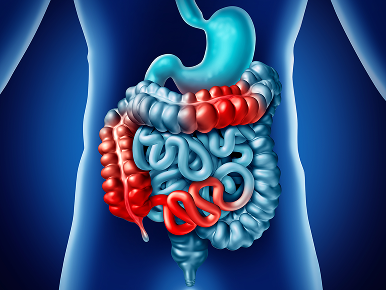
Get the Facts About IBD
Learn more about the differences and similarities between Crohn’s disease, ulcerative colitis, and other conditions that affect the digestive tract.
What is Crohn’s Disease?
Crohn’s disease causes long-term inflammation anywhere along the digestive tract, from mouth to anus.
What is Ulcerative Colitis?
Ulcerative colitis affects the large intestine, also called the colon. It causes inflammation and sores (or ulcers) that form in the colon and/or rectum.
IBD versus IBS
Irritable bowel syndrome (IBS) can often be mistaken for inflammatory bowel disease (IBD). While symptoms can be similar, there are important differences.
Mitchell’s story
"My journey started when I was a normal 14-year-old boy in his eighth grade year of school. I was very active in sports, student council, band, and choir. I began having IBD symptoms in the spring of 2009. I started having to run to the bathroom all the time and constantly being tired and run down. It took three years to get an official diagnosis because I was misdiagnosed with C-Diff."

Frequently Asked Questions
- What can I do to manage my flares or symptoms?
- What can I eat?
- Will I have to take my medication forever?
- How can I find an IBD specialist?
- Will my child be able to live a normal life with IBD?