




How many people have IBD?
Crohn's disease and ulcerative colitis, affects about 1 in 100 Americans and millions of people worldwide. More people are diagnosed with IBD every year, making it a growing health concern around the world. While IBD can affect people of any age, race, or background, it is most commonly diagnosed in teens and young adults.
Understanding the symptoms of IBD and knowing that anyone can be affected can help people recognize the signs early and seek the care they need. IBD can affect people differently. Young adults, pregnant women, older adults, and other groups may have specific concerns and care needs throughout their journey with the disease.

IBD Across Different Communities
Learn how Crohn’s disease and ulcerative colitis affect different communities across cultures, and life span, and experiences.

Whether you’re a parent, child, teen, or young adult, explore resources tailored to your unique experience living with Crohn’s disease or ulcerative colitis
More than 100,000 children and teens in the United States are living with inflammatory bowel disease (IBD), including Crohn's disease and ulcerative colitis. About 1 in 4 people with IBD are diagnosed before age 20, and the number of children affected continues to grow.
Early diagnosis and access to specialized care can help children manage symptoms, support healthy growth and development, and improve quality of life.

Women may have special concerns about IBD and their bodies
For women with Crohn’s disease or ulcerative colitis, it is important to understand how the events in a woman’s life can affect the course of their disease, and how their disease, in turn, can affect these milestones. Women with IBD may need to take their disease into consideration when making choices about puberty, intimacy, and pregnancy.
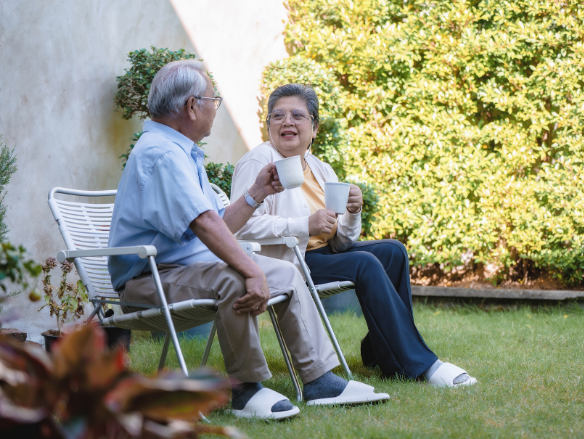
Aging with IBD doesn’t have to feel uncertain
Whether you’ve managed Crohn’s disease or ulcerative colitis for decades or were diagnosed later in life, older adults (ages 60+) are now the fastest-growing group of people living with IBD. Prepare and stay proactive to manage your disease throughout your lifespan.

The Black/African American experience with IBD
Although Crohn’s disease and ulcerative colitis are often thought to occur primarily in white populations, we now know that inflammatory bowel disease (IBD) affects people of all racial and ethnic backgrounds, including Black/African American communities.
Growing research has shown that there has been a significant increase in the number of people diagnosed with IBD in the United States among racial and ethnic groups.

The Hispanic/Latino experience with IBD
The number of people diagnosed with IBD has increased significantly among Hispanic/Latino populations in the United States, particularly among immigrants and second-generation individuals.
Research suggests that some Hispanic and Latino individuals living with IBD may experience disparities in diagnosis, treatment, and disease management. These challenges can vary from person to person and may include delays in diagnosis, language and communication barriers, stigma, and more.

Military veterans can also be part of the IBD community
Are you a veteran of the United States military living with Crohn’s disease or ulcerative colitis? You aren’t the only one. In fact, studies estimate that over 66,000 veterans are living with IBD in the U.S. Get information, stories, and resources to help you navigate your unique journey.

Thriving in the LGBTQIA+ community with IBD
Being part of the LGBTQIA+ community can bring extra challenges in healthcare, support, and daily life as an IBD patient. You deserve care that is respectful and inclusive, and to feel safe talking about your body, your identity, and your health. Many LGBTQIA+ people living with IBD share similar experiences, including feeling unsure about healthcare spaces, worrying about judgement, or not always seeing themselves reflected in health resources. These feelings are common, but you are not alone.


IBD Help Center
Get personal answers from our knowledgeable Information Specialists. Leave us a message 24/7 and we'll call you back. Chat is available Monday: 9:00 a.m. – 5:00 p.m. and Tuesday, Thursday: 9:00 a.m. – 9:00 p.m. EST.
-

Give Us A Call
1-888-MY-GUT-PAIN -

Connect with Email
Send us an Email -

Help Center Page
Visit web page
Let’s Go There - IBD stories like yours
Living with Crohn’s disease or ulcerative colitis can be a struggle. Talking about it shouldn’t be.

Andrew’s Story
I have autism, and my sensory sensitivities make most colonoscopy prep drinks hard to tolerate. I feel proud that sharing my story helped someone get the care they needed.

Whitney's Story
For me, fatigue, joint discomfort, skin problems, and eye inflammation also play a role…we need to break the stigma and talk openly about all the symptoms.
Gabby's Story
Living with Crohn's has changed my life in ways I never expected… that stigma and the isolation that comes with an invisible illness fuels my determination to speak up for myself and for others.

Share Your Story
Sharing your story helps others with IBD feel less alone. This form makes it easy.

Russ's Story
For a long time, I was embarrassed by my frequent trips to the bathroom…It was a very lonely way to live, but I realized that by keeping silent, I was adding to the stigma.

Marissa's Story
I felt alone, with no one who understood. It’s been an uphill battle managing my IBD…I’ve learned how to manage my disease and my body’s needs.
- References