

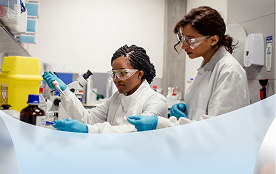

Treatment Options for IBD
Treatment for Crohn’s disease and ulcerative colitis can include the use of medications, nutritional support therapy, and sometimes surgery. You and your healthcare team will work together to choose the options that work best for your needs.

Understand your IBD Treatment Options
Everyone’s health and journey with Crohn’s disease and ulcerative colitis is different and treatments must be personalized and decided between you and your healthcare team.
Medications help control inflammation, and can work towards healing your gut
Medications work to reduce inflammation, suppress overactive immune systems, and achieve or maintain remission and are often the first line of treatment. They are designed to relieve symptoms, heal the intestinal lining, and prevent future complications.

Managing your diet and nutrition
Diet and nutrition can be an important part of treating IBD. Whether it’s making dietary changes to improve nutrition, eating anti-inflammatory foods, avoiding trigger foods that increase symptoms, or using nutritional support therapy, diet along with other treatments can play a role in your IBD care.

Surgery isn’t always a last option
While medication is often the first treatment option, some people with Crohn’s disease and ulcerative colitis eventually require surgery. Some may choose to have surgery to improve their quality of life. For others, surgery is a life-saving necessity due to medical complications.
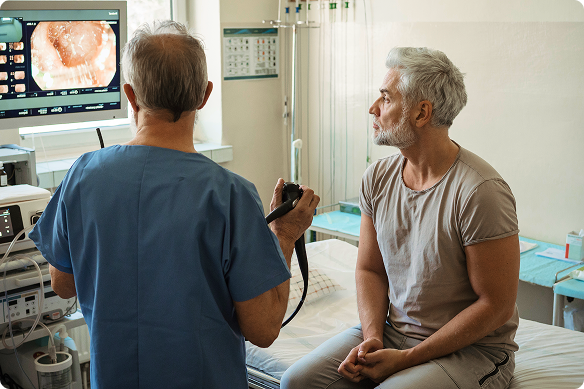
Clinical trials make IBD treatments possible
Clinical trials are research studies that explore new ways to improve treatments and the quality of life for people with a specific disease. Trials can help speed up the development of new medications and treatments for patients. Learn more about clinical trials for IBD and how you can participate.


IBD Help Center
Get personal answers from our knowledgeable Information Specialists. Leave us a message 24/7 and we'll call you back. Chat is available Monday: 9:00 a.m. – 5:00 p.m. and Tuesday, Thursday: 9:00 a.m. – 9:00 p.m. EST.
-

Give Us A Call
1-888-MY-GUT-PAIN -

Connect with Email
Send us an Email -

Help Center Page
Visit web page


... I have been battling Crohn's disease since 2014. It has been quite an undesirable journey, but the disease won't keep me down! I'm so happy to say that I feel the best I have in the [years] I have been battling my Crohn's disease diagnosis.
Partnering with your doctor is key
Finding the right IBD treatment can take time, so it’s important to partner with your doctor and discuss your immediate needs, and work towards healing

Prepare for your IBD journey with these key resources
Learn more about Crohn’s disease and ulcerative colitis, and take action to get the care you need.
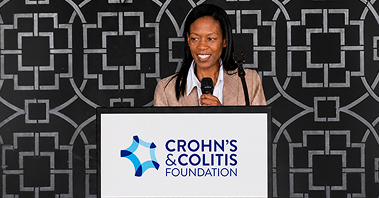
MyIBD Learning Webinars
Join our webinars featuring patients and IBD experts to get a deeper dive on topics like treatments, and much more.
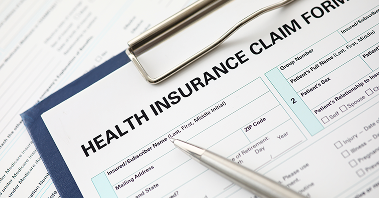
Appeal Letters
If you have received a denial from your medical insurance, these appeal letters can help you along the way.
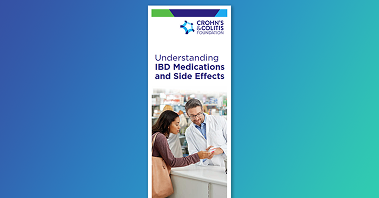
Understanding IBD Medications
Find more information about medications for Crohn’s disease and ulcerative colitis, and explore one of our most popular brochures
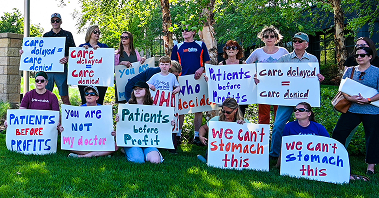
Take Action to Access Your Treatment
Have you been required by your health insurer to try and fail on a medication before they cover your provider-prescribed treatment?
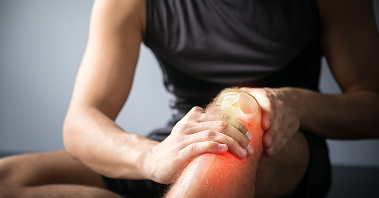
Beyond the Gut
Many people with Crohn’s disease and ulcerative colitis experience symptoms that are outside of their gastrointestinal tract.