



Understanding IBD
Explore and learn more about Crohn’s disease and ulcerative colitis, including causes, symptoms, diagnosis, treatments, diet, and who is affected.
What Is IBD? Causes, Symptoms, Treatment, and More
Explore and learn more about Crohn’s disease and ulcerative colitis, including causes, symptoms, diagnosis, treatments, diet, and who is affected.
What causes IBD
Many people wonder, "Did I do something to cause my IBD?" The answer is no.
Experts believe IBD happens because of a mix of your genes, your immune system, and things in the environment. In people with IBD, the immune system mistakenly attacks the digestive tract, causing inflammation. We still don't know exactly why this happens, and researchers continue to study it.
What are the symptoms of IBD?
IBD can feel different for everyone. Some people have mild symptoms, while others have more severe experiences.
Common symptoms include diarrhea, stomach pain or cramping, blood in the stool, feeling very tired, weight loss, and needing to use the bathroom often or urgently. Some people also have joint pain, skin problems, or eye inflammation. If your symptoms change or become worse, your healthcare team can help you find the best way to manage them.

How is IBD diagnosed and monitored?
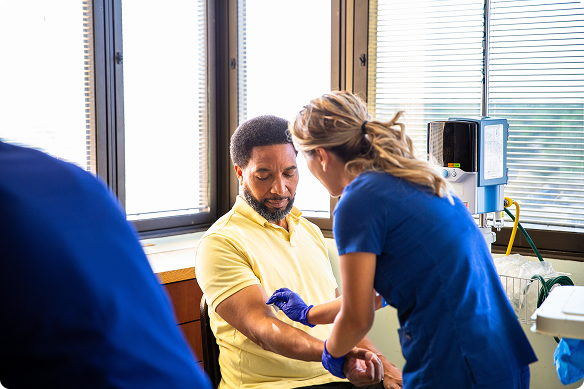
Getting a diagnosis can take time, and it may involve several tests. Your healthcare team may use blood tests, stool tests, imaging- an endoscopy, or colonoscopy to better understand what's happening in your digestive tract.
After you're diagnosed, regular checkups and testing help your healthcare professional see how your disease is doing, whether your treatment is working, and if any changes are needed. Keeping up with these visits is an important part of staying as healthy as possible.
How is IBD treated?
There is no single treatment that works for everyone, and that's okay. Your healthcare team will work with you to create a treatment plan that fits your needs.
Treatment may include medicines, nutrition support, mental health support, and surgery. The goal is to reduce inflammation, ease symptoms, prevent complications, and help you stay in remission. Many people with IBD find a treatment plan that allows them to enjoy work, school, family, and the activities they love.

The role of diet and nutrition in IBD
It's normal to wonder what you should eat after a diagnosis of Crohn’s disease or ulcerative colitis. The truth is that there isn't one diet that works for everyone.
Your nutrition needs may change during a flare (active disease), when you're feeling well, or after surgery. Learning which foods work best for your body can help you feel more confident at mealtime. Our trusted nutrition resources, recipes, and expert guidance can help you make informed choices along the way.
Crohn’s disease and ulcerative colitis can affect anyone.
Anyone can develop Crohn’s disease or ulcerative colitis. It affects children, teens, and adults of all races, ethnicities, and backgrounds. Many people are diagnosed when they are young adults, but IBD can begin at any age.
Millions of people around the world are living with Crohn's disease or ulcerative colitis. If you have IBD, you're part of a large community, and you don't have to face it alone. The Crohn's & Colitis Foundation is here to help you find trusted information, support, and resources throughout your journey.

IBD Help Center
Get personal answers from our knowledgeable Information Specialists. Leave us a message 24/7 and we'll call you back. Chat is available Monday: 9:00 a.m. – 5:00 p.m. and Tuesday, Thursday: 9:00 a.m. – 9:00 p.m. EST.
-

Give Us A Call
1-888-MY-GUT-PAIN -

Connect with Email
Send us an Email -

Help Center Page
Visit web page



Questions on IBD
Frequently Asked Questions About Inflammatory Bowel Disease (IBD)
- What are the different types of inflammatory bowel disease?
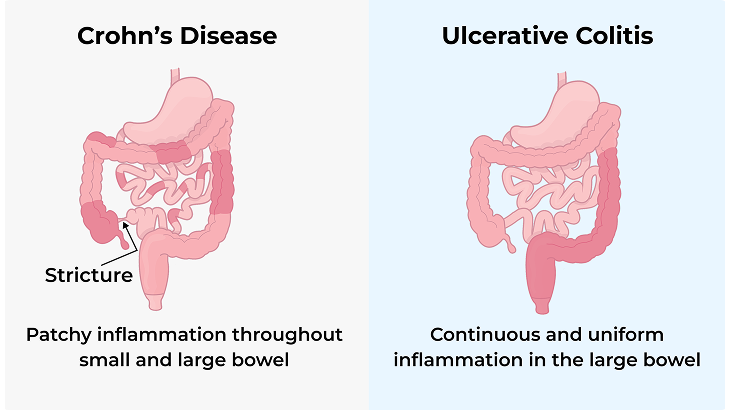
- What is the difference between Crohn’s disease and ulcerative colitis?
- Is there a cure for Crohn’s disease and ulcerative colitis?
- What are the causes of Crohn’s disease and ulcerative colitis?
- Can I live a normal life with IBD?
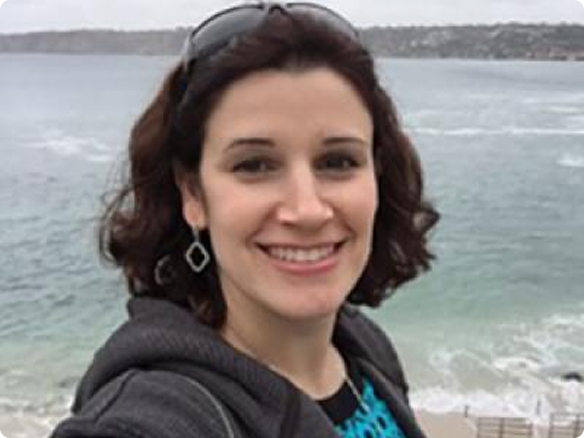
Jana’s Story
“...Being diagnosed with Crohn's disease has shown me that as humans we have an amazing ability to adapt to situations. Despite everything I have gone through during the past two years, I have found a way to see the positive in my journey. I've found a way to laugh and still find enjoyment amidst the challenges. I count my blessings! I don't take those little things in life for granted, because they are often times the most meaningful!..”