



Who Gets IBD?
IBD in the Black/African American Community
Learn more about the experiences of Black and African American people living with Crohn’s disease and ulcerative colitis.
How can IBD affect the Black/African American Community?
IBD can and does affect people from all racial and ethnic backgrounds. In recent years, there has been a significant increase in the number of people diagnosed with IBD in the United States among racial and ethnic groups. Additionally, numerous studies have found that IBD affects Black/African American patients differently than White patients. For example, Black/African American IBD patients:
- Are more likely to be hospitalized
- Have an increase in readmission rates compared to White patients
- Are less likely to be prescribed certain medications compared to White patients
- Are more likely to have complications or advanced disease due to delays in diagnosis
The Crohn’s & Colitis Foundation is committed to supporting Black/African American patients, caregivers, and families with resources that reflect your experiences, address your needs, and help you thrive.
We recognize that health journeys are shaped by community, culture, and access to care. Our goal is to ensure you have the knowledge, tools, and connection you need to take control of your health and feel supported every step of the way. Below are resources we have developed specifically for the Black/African American Community.
Navigating IBD Through Education
Living with Inflammatory Bowel Disease (IBD) can be challenging, but knowledge empowers individuals to take an active role in their health and well-being. Through education and support, people living with Crohn’s disease and ulcerative colitis can better understand their condition, recognize symptoms, explore treatment options, and make informed decisions alongside their healthcare professionals. By understanding the impact of IBD, education becomes a powerful tool for navigating your IBD journey.
MyIBD Connections Program informs, empowers, and educates individuals from communities that experience IBD differently in terms of diagnosis, symptoms, and access to care and treatments. MyIBD Connections for the Black/African American Community provides support by hosting in-person sessions and dedicated virtual programs that include culturally relevant information, provide helpful resources, and community. Find one of these programs near you!
Find Support and Your Community
For many people, living with IBD can often feel lonely. Sharing and learning from others can support your IBD journey and provide you with connections to others that share your experience. Below are a few resources specific to the Black and African American Community.
Looking for a Black/African American Gastroenterologist?
We are here to help by offering a listing of gastroenterologists in our Find a Medical Expert Directory. We also proudly collaborate with the Association of Black Gastroenterologists and Hepatologists (ABGH) who have a resource to connect you with Black/African American physicians in your area.
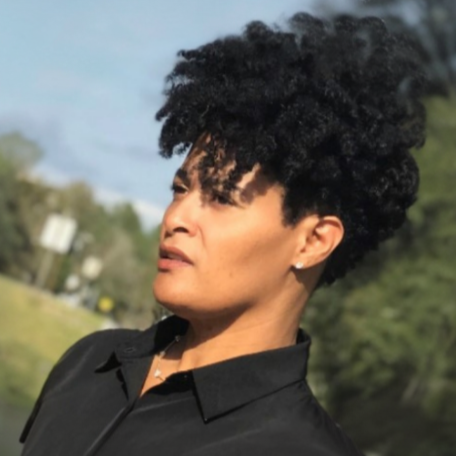
Shauntae's Story
Watching her family battle Crohn's disease inspired Shauntae Catina to speak up for those suffering inflammatory bowel disease (IBD). Today, she spends her time spreading IBD awareness in the African American community, and helping patients fight insurance-mandated “fail first” policies in her home city, Atlanta, Georgia.
- References