


IBD in the LGTBQIA+ Community
Learn more about the experiences of people who identify within the LGBTQIA+ community who are living with Crohn’s disease and ulcerative colitis.
Living Well with IBD: LGBTQIA+ Community
Living with IBD can be hard. Being part of the LGBTQIA+ community can bring extra challenges in healthcare, support, and daily life as an IBD patient. You deserve care that is respectful and inclusive, and to feel safe talking about your body, your identity, and your health.
You are not alone in your care
Many LGBTQIA+ people living with IBD share similar experiences, including feeling unsure about healthcare spaces, worrying about judgement, or not always seeing themselves reflected in health resources.
These feelings are common but you are not alone.
Your identity is an important part of your health care. That includes your gender identity, sexual orientation, relationships, and lived experiences.
What inclusive care should look like:
- Providers use your correct name and pronouns
- You feel respected and listened to
- Your questions are answered without judgement
- You feel safe sharing personal health information
Tips for feeling more supported in care:
- Bring a trusted person to appointments
- Write down questions before your visit
- Share your pronouns early if you feel comfortable
- Ask your provider if they have experience with LGBTQIA+ patients
- Take notes or ask for written instructions after visits
If a provider does not feel supportive, it is okay to look for someone new. You deserve respectful care.
Finding inclusive care and talking with your care team
Talking about IBD and personal health can feel hard sometimes, especially when topics feel sensitive or private. This can include bathroom symptoms, body changes, sexual health, or relationships.
You should never feel embarrassed to talk about your health. These are normal parts of care.
Questions you can ask your healthcare professional:
- “Do you have experience caring for LGBTQIA+ patients?
- “Can you explain this in simpler terms?”
- “What are my options for treatment?”
- “How might this affect my daily life or relationships?”
If a conversation feels uncomfortable:
- It is okay to pause and take a break
- You can ask to skip a question
- You can write answers instead of speaking them
- You can ask for another provider or support person
Tips for easier appointments:
- Bring a list of symptoms and questions
- Use a phone note or checklist
- Ask for summaries after your visit
- Schedule extra time if you feel nervous
Open communication helps your care team support you better.
Mental health matters
Living with IBD can affect how you feel emotionally. Stress, worry, sadness, or frustration are all common experiences. Being part of the LGBTQIA+ community can sometimes add extra stress from past experiences or fear of judgment.
Tips that may help:
- Talking with a therapist or counselor
- Joining a support group; to find a group near your visit.
- Connecting with others who have IBD
- Taking breaks when you feel overwhelmed
- Writing down your thoughts or feelings
Small daily supports:
- Deep breathing or short walks
- Keeping a symptom and mood journal
- Setting small, realistic goals
- Asking for help when you need it

Find Support and Your Community
Many LGBTQIA+ people living with IBD share similar experiences, including feeling unsure about healthcare spaces, worrying about judgment, or not always seeing themselves reflected in health resources. These feelings are common, but you are not alone. Below are support resources for you to connect with others who experience IBD as LGBTQIA+ patients and caregivers.
For many people, living with IBD can often feel lonely. Sharing and learning from others can support your IBD journey and provide you with connections to others that share your experience.
Facebook Support Groups:
Virtual Support Groups:
You can find additional support programs here
You are not alone
You do not have to manage IBD alone. Support can come in many forms including friends, family, healthcare teams, or community spaces. The Crohn’s & Colitis Foundation offers education, resources, and programs to help you feel connected and supported.
Ways to find additional support and information:
- Online communities and forums
- LGBTQIA+ affirming spaces
- Peer-to-peer programs
- Educational virtual programs and in-person events, click here to find relevant programs for you
Tips for building your support system:
- Start with one safe person you trust
- Join a group just to listen at first, no pressure to share
- Look for spaces that feel welcoming and respectful
- Try different groups until you find the right fit
If you need help getting started:
- Ask your care team for recommendations
- Reach out to the IBD Help Center
- Look for LGBTQIA+ affirming health organizations
- Start with online groups if in-person feels hard
Alicia's story
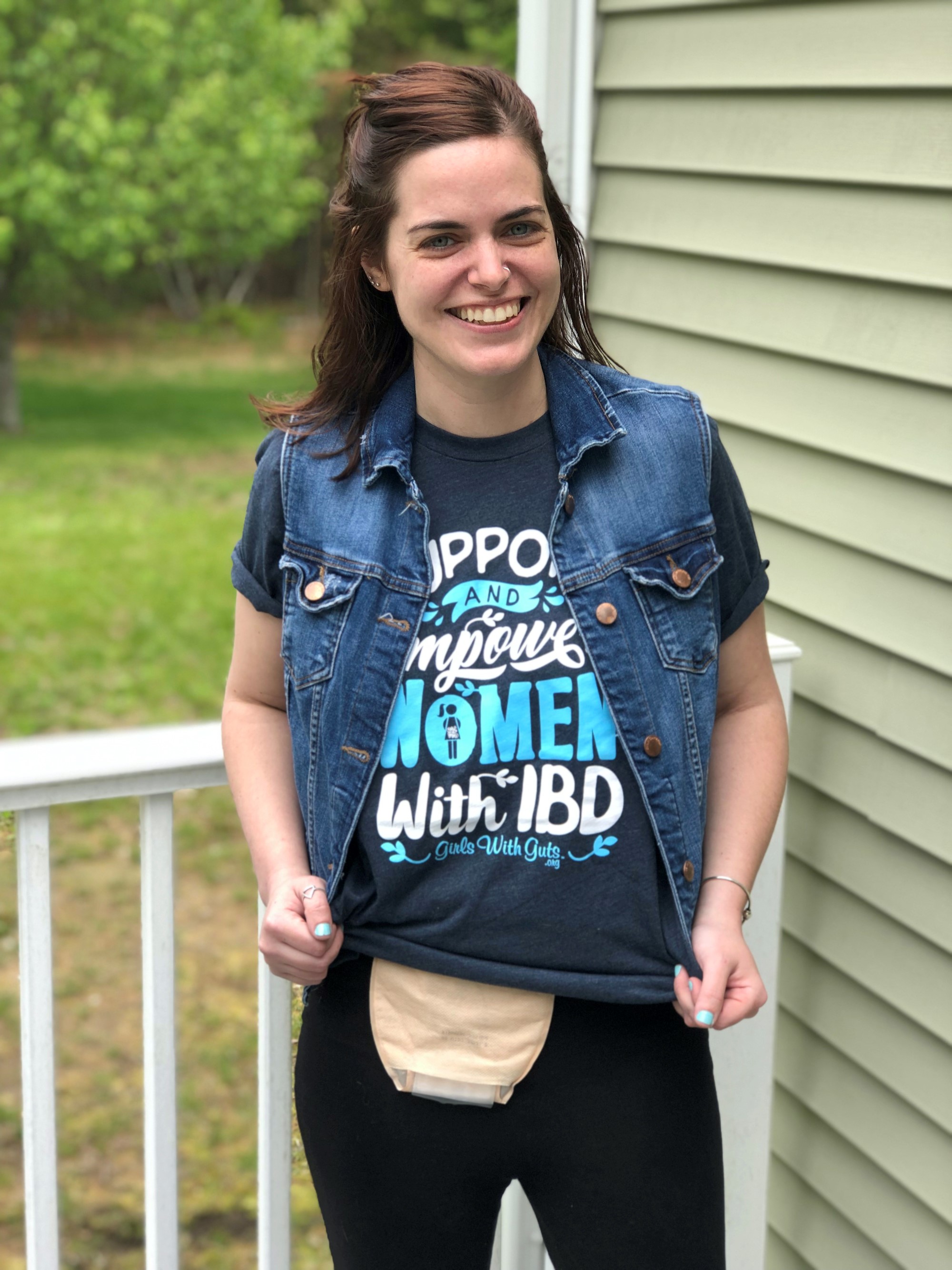
When I was diagnosed with IBD in 2004 I had only just briefly began to navigate my own sexuality. The summer I was diagnosed with ulcerative colitis was right before I was meant to start high school. I ended up starting with a 6 month delay due to complications that resulted in emergent surgery and a hefty rehabilitation period. Not only did I have to navigate a shiny new diagnosis and an ostomy bag at the age of 14, but I was also wading through the confusion about my sexuality on top of that.